Why Choose a Solar Panel and Battery System?

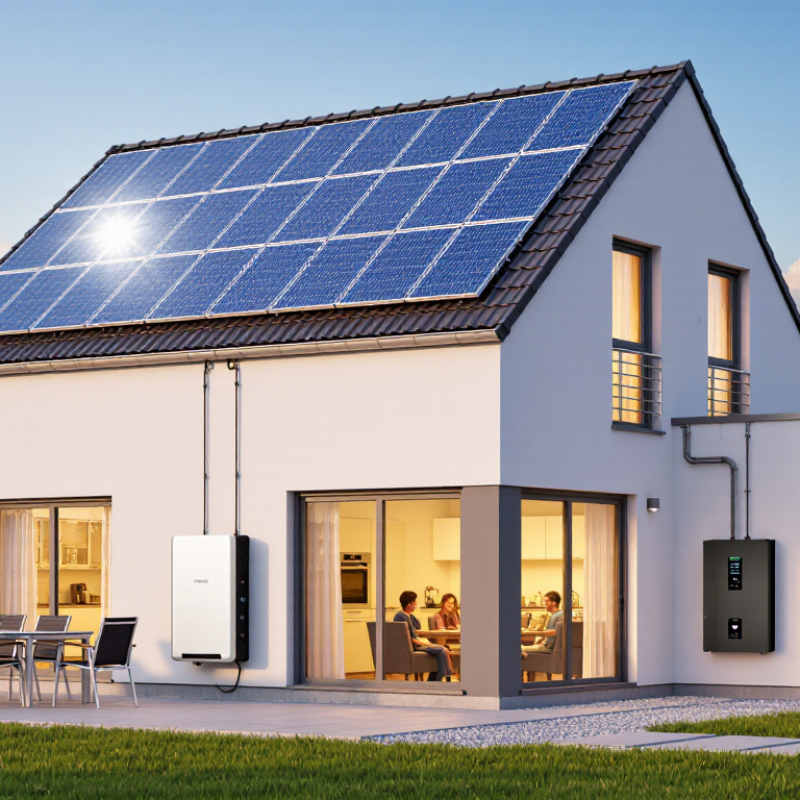
A Solar Panel And Battery System pairs rooftop generation with stored electricity, giving a home more control over when it uses power. Sunlight feeds the panels during the day. A battery can hold some surplus for evening use or selected backup circuits. The exact benefit depends on roof orientation, household demand, weather, equipment, and utility rules.

Energy-efficiency expert Amory Lovins, co-founder of the Rocky Mountain Institute, has said, “The cheapest energy is the energy you don’t use.” That idea matters here. Better insulation and efficient appliances can reduce the size and cost of a system. Storage is not magic. A battery has limited capacity, and several cloudy days may change how much reserve remains.

Consider an ordinary evening: dinner is cooking, lights are on, and the grid has gone down. A properly designed system may keep chosen essentials running, but not necessarily every appliance. Ask an installer to explain usable battery capacity, backup loads, system monitoring, warranties, and expected output in plain terms. Compare estimates using your actual electricity bills, not a best-case sales chart. Check the roof and electrical panel, too.

Real homes are messier than charts. Some households value backup; others mainly want to shift solar power into evening hours. A Solar Panel And Battery System can support either goal, but the right design starts with clear priorities and realistic expectations. The numbers deserve a second look. A careful assessment makes the choice more informed, not automatic.
Why Choose a Solar Panel and Battery System?

How Solar Panels and Batteries Work as a Home Energy System

Why Choose a Solar Panel and Battery System?
How Solar Panels and Batteries Work as a Home Energy System

Solar panels turn daylight into direct-current electricity. An inverter converts it into alternating current for lights, appliances, and outlets. When the roof produces more power than the house needs, a battery can store some of the surplus for evening use. At dusk, the handoff matters. A home energy system coordinates these flows, while a meter records electricity imported from or exported to the grid. The U.S. Energy Information Administration’s 2023 data show solar supplied roughly 5% of U.S. electricity generation when small-scale systems are included. That growth makes household solar familiar, but output still changes with clouds, season, roof angle, and shade.

A battery does not make solar power; it shifts when stored power is used. During an outage, some systems can keep selected circuits running, but only if configured for backup. Battery size, inverter limits, and household demand determine what stays on. The International Energy Agency reported that battery storage additions in the power sector rose by more than 130% in 2023, reaching about 42 gigawatts. This is a grid-scale figure, not a promise of home performance. Real savings depend on local rates and how well daytime generation matches household use. One imperfect detail: forecasts can miss a cloudy afternoon. Reviewing actual bills and evening loads helps set expectations.
Which Household Energy Needs the System Can Support

Why Choose a Solar Panel and Battery System?
Which Household Energy Needs the System Can Support

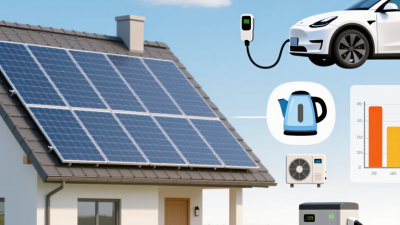
A solar panel and battery system can help run selected household essentials when sunlight is limited or the grid goes down. These may include a refrigerator, lights, internet equipment, phone chargers, and a small medical device. The exact combination depends on battery capacity, inverter output, and how long each appliance runs. A refrigerator cycling overnight uses energy differently from a kettle running briefly.

Some households use stored solar power after sunset to reduce their reliance on grid electricity. Others prioritize backup for essential circuits. That distinction matters. A battery sized for lights and refrigeration may not support electric heating, air conditioning, or an oven at the same time. High-power appliances can drain storage quickly, even if the battery seems large on paper.

Good planning starts with actual usage, not guesswork. Check appliance labels, note when devices are used, and consider cloudy days and seasonal changes. A system’s usable capacity and power rating both matter: capacity affects runtime, while power rating limits what can run together. It is easy to overlook brief demand spikes. It is also easy to overestimate how much solar energy will be available during a storm. For many homes, backing up a few chosen circuits is more practical than expecting every room to operate normally.

Why Choose a Solar Panel and Battery System?

Estimated Daily Energy Use of Common Household Needs

A solar-and-battery system can help power essential household loads, such as refrigeration, lighting, internet access, and selected appliances. These illustrative estimates use typical wattage and usage assumptions; actual energy use varies by device, household, and location. Check the system’s usable battery capacity and power output to determine which loads it can support and for how long.

How Battery Storage Extends the Use of Solar Power

Why Choose a Solar Panel and Battery System?

Solar panels often produce most of their electricity around midday, when many households need less power. A home battery stores some of that surplus for evening cooking, lighting, and device charging. It shifts solar energy across the day, rather than creating additional energy. The International Energy Agency’s Renewables 2023 report recorded 42 GW of new battery storage capacity worldwide in 2023, reflecting the growing role of storage in balancing electricity supply. A household system works on a smaller scale, but the basic idea is the same.

Still, a battery is not magic. Its usable capacity, power rating, and conversion losses affect how much energy reaches your appliances. Backup power also depends on system design; some systems cannot supply a home during an outage without appropriate backup features. It is easy to assume that more capacity is always better. That assumption deserves a second look: compare battery size with your evening use and the solar energy you actually export.

Tips: Check your electricity bill for evening consumption, then ask an installer to model seasonal solar production. Keep essential loads in mind, such as a refrigerator and a few lights. Ask how the system behaves during an outage, and review its usable capacity—not just its advertised capacity.

What Benefits and Limitations Affect System Choice

Why Choose a Solar Panel and Battery System?

What Benefits and Limitations Affect System Choice

Solar panels can produce more electricity than a home uses at midday. A battery stores some of that surplus for evening lights, cooking, or device charging. That can reduce reliance on grid electricity, depending on local rates and household habits. Useful, but not magic. During cloudy weeks, solar output may fall while demand stays high.

System size matters. A small battery may cover a refrigerator and a few lights, but not every appliance at once. Check its usable capacity, power output, inverter compatibility, and expected charging conditions. A qualified installer can assess these details using your roof, electrical setup, and typical consumption. Estimates still depend on assumptions.

Batteries add upfront cost, take up space, and lose some stored energy during charging and discharge. Their capacity also declines gradually with use and age. Backup power is not automatic: some systems need specific equipment to operate during an outage, and heavy loads can drain storage quickly. The numbers can look tidy on paper. Real routines are messier. Reviewing an hourly usage profile, rather than just an annual bill, can reveal whether storage fits your needs—or whether panels alone make more sense.

Which Factors Determine Whether the System Is Suitable

Why Choose a Solar Panel and Battery System?

Which Factors Determine Whether the System Is Suitable

A solar-and-battery system is most useful when its design matches your home’s energy use, roof, and backup needs. Start with your electricity bills: note seasonal consumption and when heavy loads run. A battery’s kilowatt-hour capacity determines how long it can supply energy; its power rating limits which appliances can run together. A fridge, router, and a few lights are very different from electric heating or an oven. Roof shade, orientation, and available area also affect solar production.

Local reliability matters. The U.S. Energy Information Administration reported that customers experienced an average of 5.5 hours of power interruptions in 2022, including major events; excluding major events, the average was 2.3 hours. That national figure cannot predict your neighborhood’s outages. Check local utility reliability data, electricity rates, export credits, and any time-of-use pricing. NREL’s PVWatts tool can estimate solar output using location and system details, but estimates are not a guarantee. Budget for installation, equipment replacement, and the possibility that cloudy weather limits recharging.

Tips: List essential appliances and their wattage, then estimate how many hours you need backup. Ask an installer to show the assumptions behind the battery size and solar estimate. One easy-to-miss detail: a large battery may still not run high-power appliances. It is worth checking—and checking again.

Why Choose a Solar Panel and Battery System? - Which Factors Determine Whether the System Is Suitable

Factor More Suitable When Potential Concern What to Check
Electricity use Your household uses a meaningful amount of electricity during the day or can shift flexible tasks, such as laundry or EV charging, to sunny hours. Very low electricity use or most consumption occurring after sunset can reduce the value of solar generation without suitable storage or tariffs. Review at least 12 months of electricity bills and, if available, interval data showing when electricity is used.
Solar resource and shading The site receives good sunlight and the roof or ground-mounted array has limited shading during productive hours. Persistent shade, nearby obstructions, or a poor installation location can reduce output. Solar production also varies by season and weather. Use a site-specific shading assessment and local solar-production estimate. In the Northern Hemisphere, equator-facing roofs generally receive strong annual sunlight; the preferred direction differs in the Southern Hemisphere.
Roof or installation area There is enough structurally sound, unshaded space, and the roof is expected to remain serviceable for the planned system life. Repairs, replacement, complex roof geometry, or limited usable area may add cost or affect system size. Have an installer assess roof condition, usable area, structural suitability, access, and local permitting requirements before installation.
Battery backup needs You want backup for selected essential loads during outages, or you have a tariff that rewards using stored electricity at specific times. A battery adds cost and does not automatically power a home during an outage. Backup depends on compatible equipment and system configuration. List the loads to back up, their power demand, and the required backup hours. As a starting estimate, 0.5 kW of average load for 8 hours requires 4 kWh of usable energy, before accounting for system losses and reserve capacity.
Battery power and usable capacity The battery can supply both the required continuous power and the required energy over the intended backup period. Battery power (kW) and energy capacity (kWh) are different: enough stored energy does not guarantee that the battery can start or run every appliance. Check the battery’s usable capacity, continuous and peak power ratings, operating limits, and the inverter’s compatibility with intended loads.
Electricity prices and export rates Retail electricity prices are high relative to the value paid for exported solar electricity, or time-of-use prices make stored energy useful. Low electricity prices, generous export credits, or fixed charges that remain unchanged can lengthen the payback period. Compare the value of self-used solar electricity, export compensation, time-of-use rates, fixed charges, and any demand charges using your actual tariff.
Grid reliability and outage frequency Outages are frequent or costly, and backup power has clear value for essential household needs. A standard grid-connected solar system may shut down during a grid outage for safety unless it includes suitable backup equipment and islanding capability. Confirm the system’s outage operation, backed-up circuits, changeover equipment, and whether solar panels can recharge the battery during an outage.
Grid connection and local rules Local rules allow the proposed installation and the utility can approve the system’s connection and export arrangement. Connection limits, export restrictions, permits, or approval delays may affect system design and expected savings. Check local permitting, interconnection requirements, export limits, and any available incentives before committing to a system.
Budget and expected ownership period You can manage the upfront or financed cost and expect to use the system long enough to benefit from its electricity savings or backup value. Financing charges, maintenance, component replacement, and moving sooner than expected can change the financial result. Compare itemized quotes and estimated lifetime costs. Treat payback estimates as site- and tariff-specific, not guaranteed outcomes.
Equipment conditions and maintenance The equipment is suitable for the local temperature range and installation environment, with accessible servicing and clear warranty terms. Extreme temperatures, poor ventilation, or difficult access can affect performance, installation choices, or maintenance. Review manufacturer specifications, installation clearances, warranty exclusions, monitoring arrangements, and the installer’s service plan.

Note: Suitability depends on site conditions, local electricity tariffs, equipment specifications, and installation costs. Obtain a site-specific assessment before choosing a system.