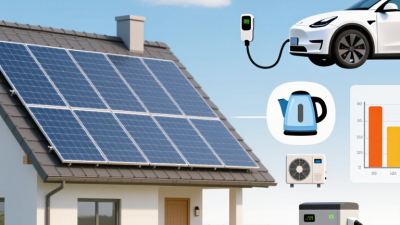
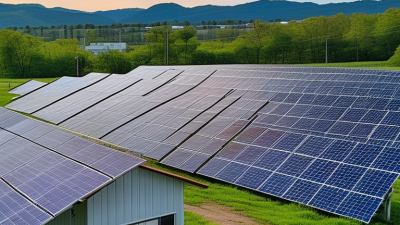
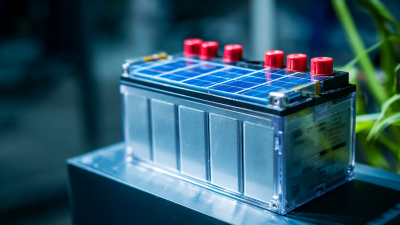
China has become a major hub for Solar Energy Battery Storage, combining battery manufacturing, power electronics, and system integration. Its leading suppliers include CATL, BYD, Sungrow, Huawei Digital Power, EVE Energy, Gotion High-Tech, and Pylontech. Each company serves different project sizes, climates, and budget requirements.
As Fatih Birol, Executive Director of the International Energy Agency, stated, “Battery storage is the fastest-growing clean energy technology in the power sector today.” This observation explains the growing demand for Chinese storage systems. Solar developers increasingly need batteries that can manage midday oversupply, evening peaks, and sudden cloud cover. A well-designed system should perform reliably beside rooftop panels, utility-scale solar fields, or commercial facilities.
However, choosing a supplier involves more than comparing battery prices. Buyers should examine cell chemistry, cycle life, thermal management, warranty conditions, software compatibility, and local service capacity. A container may look impressive in a photograph. Its real value appears during a hot afternoon, when cooling systems, safety controls, and monitoring software must work together.
Supplier rankings can also be misleading. The largest manufacturer is not automatically the best fit for every project. Some smaller specialists offer flexible designs or stronger support in specific markets. This article compares China’s top Solar Energy Battery Storage suppliers through technology, manufacturing experience, certifications, project performance, and after-sales capability. The analysis remains practical, though no supplier list can remove every project risk. Performance data may vary by installation conditions, operating habits, and maintenance quality.
A leading supplier begins with traceable engineering, not attractive catalog photos. The factory should document cell origins, production batches, and testing records. That evidence matters. Experienced suppliers test capacity, insulation, temperature performance, and cycle stability before shipment. Independent certification also supports credibility, but certificates alone are not enough. Buyers should verify their scope, validity, and applicable system configuration.
Practical design experience separates capable suppliers from assembly-only vendors. A reliable team studies solar output, load patterns, weather, and grid conditions. It then selects suitable battery capacity and inverter specifications. The battery management system should monitor voltage, temperature, balancing, and fault signals continuously. Thermal protection needs clear response procedures. Ask for test data from similar climates. Coastal humidity and winter temperatures can expose weak assumptions.
After-sales support reveals operational maturity. Suppliers should provide installation guidance, remote diagnostics, spare-part planning, and trained service contacts. A clear warranty must explain capacity retention, exclusions, response times, and maintenance duties. Site acceptance records should include photographs and measured readings. Field experience also suggests one uncomfortable truth: forecasts are imperfect. Some suppliers overstate cycle life or savings because conditions vary. A more trustworthy partner explains these limits, shares realistic performance ranges, and adjusts the design after reviewing actual site data. Small details, such as connector quality and cable labeling, can determine whether maintenance takes minutes or hours.
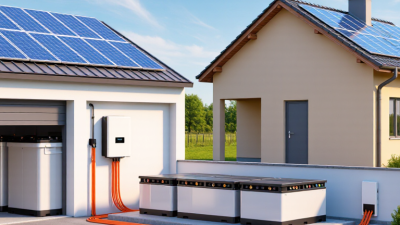
China’s solar storage market covers several battery chemistries and system designs. Lithium iron phosphate batteries dominate many new projects because they balance safety, cycle life, and cost. Their cabinets often include battery management systems, temperature sensors, and liquid or forced-air cooling. These details matter when summer temperatures rise above 35°C.
Not every project needs the same technology. Lead-acid systems remain useful for small backup installations with limited cycling. Sodium-ion batteries are gaining attention for lower-cost applications, although their commercial track record is still developing. Flow batteries suit longer-duration storage, especially where space is available. Their tanks and pumps look very different from compact container systems.
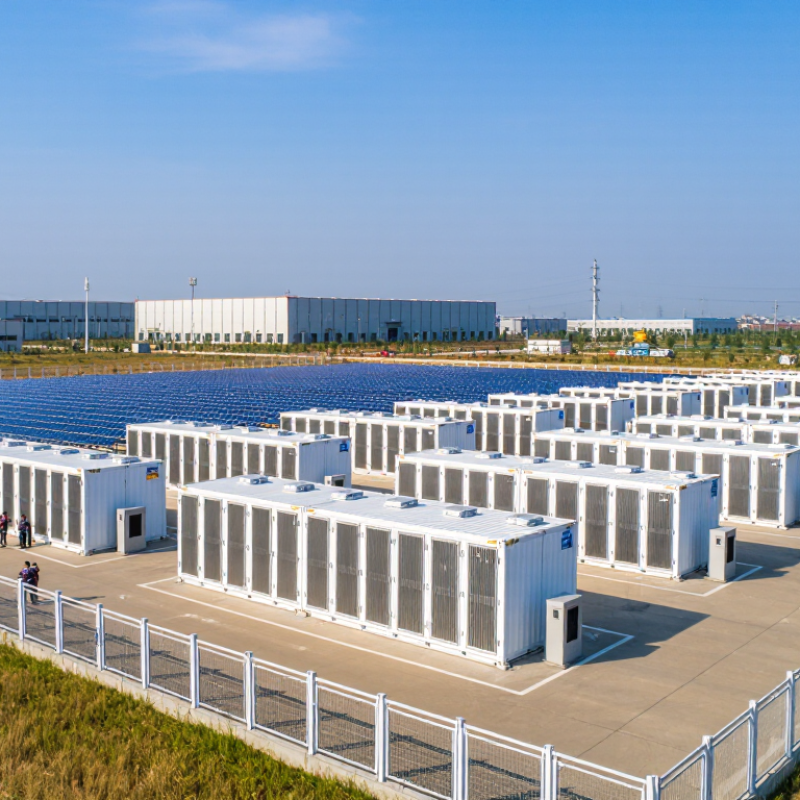
System types vary by operating purpose. Behind-the-meter storage can reduce factory demand charges and support evening production. Residential systems usually combine rooftop solar, an inverter, and a wall-mounted battery. Utility-scale projects use containerized units connected to medium-voltage equipment. Off-grid systems need stronger energy planning because cloudy weather can last several days. Hybrid systems may combine solar, batteries, and grid power.
Details decide performance. Engineers should check usable capacity, round-trip efficiency, fire protection, warranty conditions, and maintenance access. A 1 MWh battery does not always deliver 1 MWh to the load. Conversion losses and reserve settings reduce actual output. Field results can also differ from laboratory figures. No design is perfect. Careful monitoring is still needed after installation.
China Top Solar Energy Battery Storage Suppliers?
Comparing Chinese energy storage suppliers requires more than reading a product brochure. Start with battery chemistry, usable capacity, round-trip efficiency, and cycle-life testing. Request original test records, not only polished marketing tables. A 100 kWh cabinet should show its output under realistic temperatures, load changes, and charging limits. Small details matter.
Inspect the manufacturing process through an independent factory audit. Check cell traceability, welding quality, insulation, fire protection, and battery management software. Ask how the system handles overheating, communication loss, and abnormal voltage. Safety certifications should match the destination market and the actual product configuration. A certificate for one model may not cover another.
Supplier reliability also depends on service after delivery. Review warranty exclusions, spare-part availability, remote monitoring, response times, and technician training. Speak with operating customers about seasonal performance and fault resolution. Field reports can differ from laboratory results. No supplier is perfect. A convincing factory visit may still hide weak documentation or delayed support. A small pilot installation can expose these problems before a larger purchase. Compare payment terms, shipping responsibilities, software ownership, and upgrade costs in writing. Pricing deserves attention, but the cheapest offer may become expensive when replacement parts, downtime, or unclear warranty conditions appear.
China's cumulative installed capacity of new-type energy storage systems
China's new-type energy storage market expanded rapidly from 8.7 GW in 2022 to 73.76 GW in 2024. When comparing suppliers, buyers should evaluate safety compliance, round-trip efficiency, cycle life, system availability, warranty coverage, grid compatibility, delivery capability, and after-sales service rather than relying only on price or production scale.
Source: National Energy Administration of China, reported cumulative installed capacity of new-type energy storage.
China Top Solar Energy Battery Storage Suppliers?
China’s leading storage suppliers are defined by engineering depth, not only factory scale. The International Energy Agency’s 2024 Batteries and Secure Energy Transitions report estimates that China produced over 75% of global lithium-ion battery cells in 2023. This manufacturing density supports competitive pricing, stable supply, and rapid product updates.
Cell strength matters.
Many Chinese suppliers focus on lithium iron phosphate chemistry, valued for thermal stability and long cycle life. Others combine battery racks, power conversion systems, energy management software, and liquid cooling in containerized units. A typical project may include a 20-foot cabinet, fire detection, remote monitoring, and separate controls for each rack. BloombergNEF reported that lithium-ion battery pack prices fell to about 115 dollars per kilowatt-hour in 2024, encouraging larger utility-scale deployments. However, the lowest quotation is not automatically the best choice. Warranty conditions, degradation limits, spare parts, and local service capacity deserve equal attention.
Independent testing remains essential.
The China Electric Power Planning and Engineering Institute has documented rapid growth in China’s new energy storage market, especially for grid balancing and renewable integration. Suppliers with traceable cell records, IEC-related testing, clear safety procedures, and documented factory audits offer stronger purchasing evidence. Yet supplier capability can vary between production lines. A polished showroom proves little. Buyers should inspect sample data, response times, and thermal behavior under realistic temperatures. No supplier wins every project. That is worth remembering.
| Supplier Profile | Primary Market Focus | Typical Battery Chemistry | Typical Product Capacity | Main Product Strengths | Common Application | Relevant Compliance Requirements |
|---|---|---|---|---|---|---|
| Profile A Cell-scale manufacturer |
Utility-scale and commercial energy storage | Lithium iron phosphate (LFP) | 280–314 Ah prismatic cells; container systems from approximately 1 MWh upward | High thermal stability, long cycle life, standardized prismatic-cell formats, and large-volume production capability | Grid storage, renewable-energy shifting, frequency regulation | UN 38.3, IEC 62619, UL 1973, UL 9540 and local grid-connection requirements, where applicable |
| Profile B Integrated system supplier |
Commercial and industrial solar-plus-storage systems | LFP battery modules and racks | 50 kWh–1 MWh modular systems; scalable through parallel connection | Integrated battery management system, energy-management software, liquid or air cooling, and turnkey installation support | Factories, warehouses, solar self-consumption, peak shaving and backup power | IEC 62619, IEC 62477-1, UN 38.3, CE requirements and project-specific electrical standards |
| Profile C Residential storage specialist |
Residential rooftop solar and backup systems | Low-voltage or high-voltage LFP | 5–30 kWh per household system; modular expansion is common | Compact design, plug-and-play installation, app monitoring, inverter compatibility and indoor or outdoor enclosure options | Home backup, solar self-consumption and time-of-use energy management | UN 38.3, IEC 62619, IEC 62109 for power-conversion equipment, CE and applicable residential safety codes |
| Profile D Hybrid inverter and storage supplier |
Residential, small commercial and off-grid installations | LFP battery modules paired with hybrid inverters | 3–30 kW inverter systems with approximately 5–60 kWh of storage | Single-vendor system integration, PV input management, backup switching, remote diagnostics and simplified commissioning | Rooftop PV, rural electrification, backup power and microgrids | IEC 62109, IEC 62477-1, IEC 61000 series, UN 38.3 and regional grid-interconnection standards |
| Profile E Containerized utility-storage supplier |
Large solar farms and independent power projects | LFP battery containers | Approximately 1–5 MWh per container, depending on cell capacity and system configuration | High energy density, liquid thermal management, fire-detection systems, prefabricated deployment and centralized monitoring | Solar power shifting, capacity management, ancillary services and grid stabilization | IEC 62933, IEC 62619, UL 9540, UL 9540A, NFPA 855 and project-specific fire-safety requirements |
| Profile F Off-grid and telecom-storage supplier |
Remote solar systems, telecom sites and backup power | LFP; lead-acid alternatives may also be offered for specific projects | 1–100 kWh modular systems; larger systems use parallel battery cabinets | Wide operating-temperature options, low maintenance, remote monitoring, reliable standby performance and flexible DC integration | Telecom towers, remote monitoring stations, cabins and diesel-PV hybrid systems | UN 38.3, IEC 62619, IEC 62040 for UPS-related applications and applicable telecom or off-grid standards |
Note: The specifications shown are representative ranges and technical characteristics commonly available from Chinese solar-storage manufacturers. Actual capacity, voltage, cycle-life rating, warranty terms, certifications and system performance vary by model, configuration and destination market.
Reliable solar battery storage partners in China should prove more than low pricing. Ask for factory audit records, cell traceability, and test reports from recognized laboratories. Review experience with your target climate, grid rules, and installation scale. A supplier serving humid coastal sites may design differently from one serving dry inland projects. Request recent project references, not selected success stories. Speak with installers who handled commissioning. Their comments often reveal response speed, documentation quality, and warranty behavior.
Tips: Compare usable capacity, not only nominal capacity. Check cycle-life conditions, including temperature, depth of discharge, and charging rate. Confirm whether the battery management system records alarms and supports remote diagnosis. Ask for a written warranty with repair timelines, spare-part plans, and clear exclusions. Factory video calls help, but independent inspection is stronger. Keep payment milestones tied to inspection results.
Technical confidence also depends on communication. Can the engineering team explain degradation without hiding behind vague percentages? Can they provide wiring diagrams, protection settings, fire-safety procedures, and training materials in usable English? Request a pilot order before committing to a large shipment. Measure delivery accuracy, packaging quality, software stability, and after-sales response. No partner is perfect. I would treat delayed answers as data, not a minor inconvenience. A polished brochure cannot replace consistent field support. Reliability is demonstrated after installation, especially when an alarm appears during a hot afternoon.