Why Invest in Battery Energy Storage Systems?

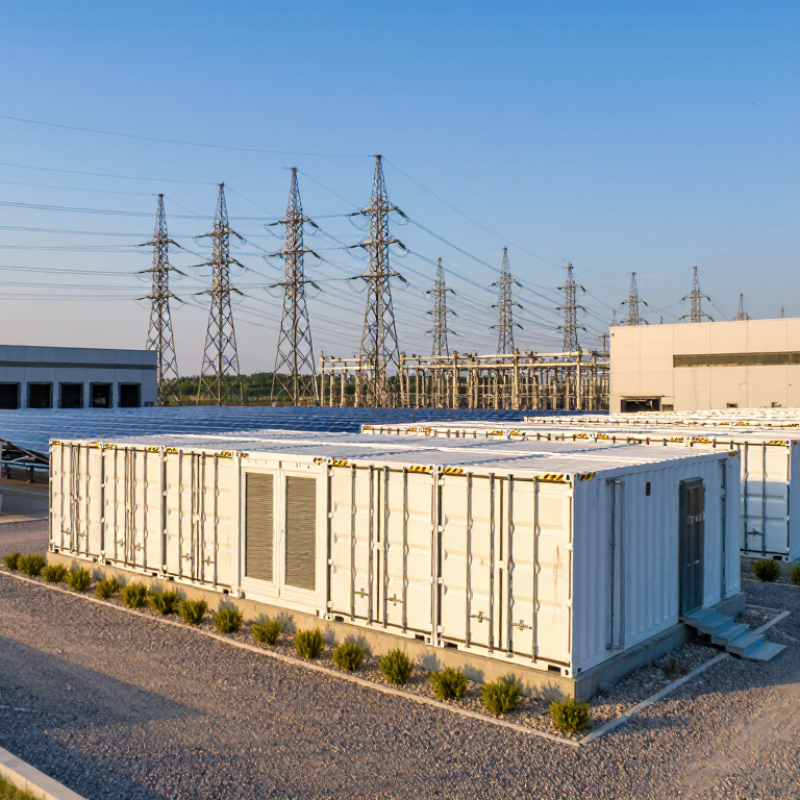
Why invest in Battery Energy Storage Systems? The answer begins with a familiar scene: solar panels producing strongly at noon, while homes need power after sunset. Batteries can shift some of that electricity to later hours, helping businesses manage demand and supporting a more flexible grid. As Dr. Imre Gyuk, a longtime energy-storage program leader at the U.S. Department of Energy, has said, “Energy storage is the key to unlocking the full potential of renewable energy.”

The value is practical, but it depends on the project. A well-designed system can store energy when supply is plentiful and discharge it when demand rises. It may also provide backup power, reduce exposure to peak electricity prices, or support grid services. Results depend on local tariffs, equipment costs, system design, and how often the battery cycles. Batteries are not magic. They have losses, degrade over time, and require careful maintenance and safe installation.

This outline explores the main reasons organizations invest, from renewable-energy integration to resilience and potential operating savings. It also considers what decision-makers should check: usable capacity, round-trip efficiency, warranty terms, and expected lifetime. Numbers matter. So does context. A storage project that makes sense for a warehouse may not suit a small home or a remote site. The uncomfortable question is whether projected benefits will hold up under real operating conditions. They may not, and honest planning should say so.
Why Invest in Battery Energy Storage Systems?

What Battery Energy Storage Systems Are and How They Work

A battery energy storage system (BESS) holds electricity for use when generation or demand changes.

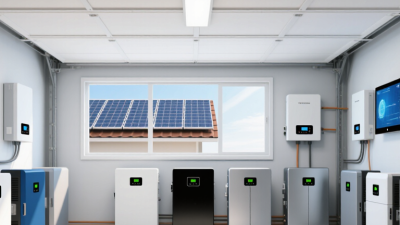
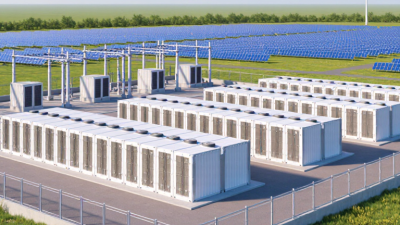
Its core is a bank of electrochemical cells, usually grouped into modules and racks. During charging, cells convert electrical energy into chemical energy; during discharge, they release it as direct current. An inverter converts that current into alternating current for buildings or the grid.

Not magic. Sensors track cell voltage, temperature, and state of charge, while controls decide when to charge or discharge. The enclosure also needs cooling, fire detection, and protective equipment. That matters.

A sunny afternoon can fill the system with surplus solar power, which may be used after sunset. At a facility, stored energy can cover brief demand peaks or provide backup during an outage, if configured for that role.

The system’s usefulness depends on more than battery capacity. Power rating sets how quickly it can deliver energy; duration describes how long that output can continue. Weather, conversion losses, aging, and operating limits shape actual performance.

A design can look neat on a diagram and still miss a site’s real load pattern. That review is easy to rush.

How Storage Supports Reliable, Flexible Energy Systems

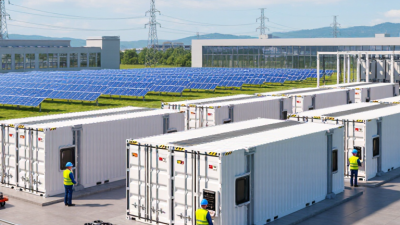
Battery energy storage systems help balance power when supply and demand do not line up. They can store surplus electricity and release it during evening peaks, cloudy periods, or sudden changes in demand. Their response can be rapid. That matters. A battery may also support frequency control and reduce pressure on local equipment, depending on its design and grid connection.

Reliable operation depends on more than battery capacity. System duration, site conditions, control settings, and maintenance all shape performance. A two-hour system cannot cover every long outage. Not always. Planners should model seasonal demand and realistic charging opportunities, then check how performance may change as the battery ages. Storage works best alongside suitable generation, transmission, and demand management—not as a substitute for every other resource.

Tips: Define the service before choosing system size. Review dispatch data regularly, especially after unusual weather or load changes. Leave room for uncertainty; forecasts can miss. Confirm that operators understand backup modes, safety procedures, and limits on available energy. A practical test under real operating conditions may reveal issues that a spreadsheet overlooks.

Where Battery Storage Creates Financial and Operational Value

Battery energy storage creates value by shifting electricity across time. A facility can charge when power is cheaper, then discharge during costly evening peaks. It may also reduce demand charges, depending on the tariff and the site’s load profile. On a factory floor, that could mean covering a brief production spike without drawing as much power from the grid. The fit is site-specific.

Storage can also help renewable projects deliver power when output and demand do not align. The International Energy Agency’s Batteries and Secure Energy Transitions (2024) estimates that global battery storage capacity needs to reach 1,200 GW by 2030 in a pathway aligned with tripling renewable capacity. That scale reflects a growing need for flexibility, not a guarantee of project revenue. Batteries can provide grid services, but value depends on connection limits, dispatch rules, and how often they cycle.

Costs matter, too. BloombergNEF’s 2024 Battery Price Survey reported a 20% drop in average lithium-ion pack prices, to $115 per kilowatt-hour. Pack prices are not installed system prices; inverters, construction, financing, and maintenance add costs. The math is not always tidy. A battery sized for rare outages may earn less from daily price shifts, while frequent cycling can increase wear. Project assessments should compare several revenue streams against degradation and operating costs, using local tariffs and measured load data.

Key Costs, Revenue Models, and Investment Considerations

Why Invest in Battery Energy Storage Systems?

Battery storage returns depend less on nameplate capacity than on when and how often the system can dispatch energy. Upfront costs may include battery modules, inverters, controls, installation, site preparation, and grid connection. Permitting or transformer upgrades can change the budget. Ongoing expenses include maintenance, insurance, and eventual cell replacement. Capacity also fades with use and heat. Model usable energy over time, not just first-year output. Forecasts can look precise; reality is less tidy.

Tips: Request a cash-flow model with clear assumptions. Check whether it includes charging costs, efficiency losses, degradation, and replacement. Ask what happens if grid connection is delayed.

Revenue may come from storing low-cost electricity and discharging during higher-price periods. Depending on local market rules and project design, income may also come from demand-charge reduction, capacity payments, or grid services. These streams are not guaranteed. Compare expected revenue with financing costs and operating expenses, then test lower-price spreads and fewer dispatch hours. Review warranty limits, cycle life, and service terms carefully. A project that looks strong on paper may not fit the site’s actual grid constraints.

Why Invest in Battery Energy Storage Systems?

Key costs, revenue models, and investment considerations for a utility-scale, four-hour BESS.

Reading the chart: Indicative 2024–25 planning ranges in USD per kWh; actual costs vary by project, location, duration, and scope. Component ranges are not additive, and the total-system benchmark is shown separately. Revenue may come from energy arbitrage, ancillary services, capacity or availability payments, and network services. Investment returns depend on local market rules, dispatch opportunities, efficiency losses, degradation, augmentation, financing, and interconnection costs.

Risks, Technologies, and Factors for Evaluating a Project

Battery energy storage systems can shift electricity across hours, but their value depends on local conditions. A two-hour unit may help a solar-heavy site through evening peaks, while offering little during a prolonged outage. Small detail, big consequence. Project teams should compare charging prices, discharge revenues, grid constraints, and expected cycling. Forecasts often look tidy. Actual dispatch is messier.

Technology choice changes both performance and risk. Lithium-ion systems respond quickly and suit frequent cycling, yet heat management, degradation, and fire protection require disciplined design. Flow batteries may suit longer discharge periods, though their footprint and operating complexity can be higher. No chemistry wins everywhere. Review usable capacity, round-trip efficiency, warranty assumptions, temperature limits, and replacement plans. Ask what happens after year eight, not just on commissioning day.

A credible evaluation includes site studies, interconnection timelines, safety reviews, and realistic revenue scenarios. Model low-price and high-price years, plus periods when the battery cannot connect or export. Check who maintains controls, how software failures are handled, and whether spare parts are accessible. A spreadsheet cannot capture every delay. That is worth admitting. Compare project costs with the value of reliability, peak reduction, and avoided curtailment. Test key assumptions through independent engineering review and operating data from similar duty cycles.