Why Is Battery Energy Storage Important for Global Buyers?

Why Is Battery Energy Storage Important for Global Buyers?

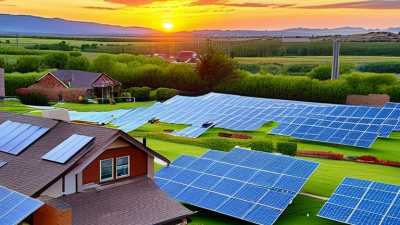
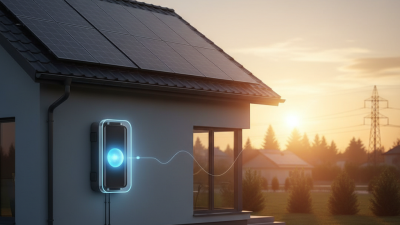
Battery Energy Storage is becoming a practical priority for global energy buyers. It stores electricity when supply is available and releases it when demand rises. A warehouse roof may produce excess solar power at noon. The battery can preserve that energy for evening operations. This simple shift can reduce grid pressure, control peak costs, and improve power reliability.

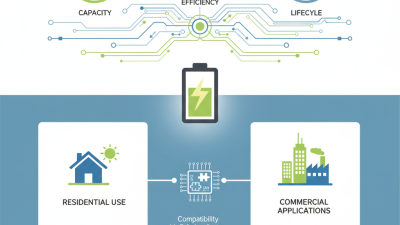
Fatih Birol, Executive Director of the International Energy Agency, has said, “Batteries are at the heart of the clean energy transition.” His statement reflects a wider market change. Buyers now evaluate storage for factories, data centers, ports, hospitals, and remote communities. They examine capacity, response speed, safety systems, warranty terms, and long-term degradation. Those details matter. A low purchase price may look attractive, yet weak performance data can create expensive problems later.

The value is not identical everywhere. A sunny region may need storage after sunset. A storm-prone area may prioritize backup power and resilience. Some buyers may also need software that forecasts demand and coordinates renewable generation. Battery Energy Storage can support these goals, but it is not a perfect solution. Mining impacts, recycling limits, fire safety, and uncertain revenue models still require serious attention. Global buyers should question optimistic claims and request tested evidence. The industry is advancing quickly, sometimes faster than standards and procurement habits. Careful evaluation remains essential. Reliability must be demonstrated, not simply promised.

Why Is Battery Energy Storage Important for Global Buyers?

What Is Battery Energy Storage and How Does It Work?

Battery energy storage systems store electricity in rechargeable cells and release it when demand changes. A typical system includes battery modules, an inverter, thermal controls, sensors, and software. The battery stores electricity as chemical energy during charging. The inverter then converts direct current into alternating current for homes, factories, or the grid.

The process is simple to observe. Solar panels may produce excess power at noon. The system charges then. At 7 p.m., when lights and appliances increase demand, the inverter sends power back. This can reduce peak purchases and support grid stability.

However, no battery is perfectly efficient. Some energy becomes heat during conversion and charging. Degradation also reduces usable capacity over time.

The International Energy Agency reported that global battery storage additions reached about 42 gigawatts in 2023. Its 2024 analysis says deployment must expand substantially before 2030 to support renewable growth and electricity security. The U.S. National Renewable Energy Laboratory also emphasizes duration, cycling, temperature, and degradation when evaluating storage performance. These factors matter to global buyers more than headline capacity alone.

Capacity is measured in megawatt-hours. Power is measured in megawatts.

A five-megawatt system with twenty megawatt-hours can theoretically discharge for four hours.

That assumption can fail under heat, aging, or reserve requirements. Buyers should examine round-trip efficiency, warranty conditions, safety testing, response time, and local grid rules before comparing offers. Also, the cheapest upfront system may not deliver the lowest lifetime cost.

Why Battery Energy Storage Matters for Global Energy Systems

Battery energy storage matters because global energy systems are becoming more variable. Solar output falls sharply at sunset. Wind generation can change within minutes. Storage absorbs surplus electricity and releases it when demand rises. This simple shift supports a steadier power supply.

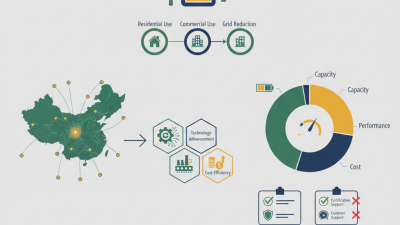
In project assessments, engineers examine more than battery capacity. They check round-trip efficiency, cycle life, response time, and thermal management. A system providing frequency regulation may react in milliseconds. A system serving evening demand may discharge for four hours. These uses require different designs. Grid codes, local weather, and maintenance skills also affect reliability. A container in a hot coastal area needs stronger cooling and corrosion protection.

Storage can reduce dependence on expensive peak-time generation. It can also help remote communities use more renewable power. Yet it is not a perfect solution. Batteries degrade, and replacement planning is often underestimated. Recycling infrastructure remains uneven across markets. Some projects also promise resilience without testing black-start or islanding functions under real conditions. Buyers should request measured performance data, safety records, warranty limits, and clear operating assumptions. Small details matter. A lower purchase price may hide higher lifetime costs, especially when harsh temperatures, frequent cycling, or weak grid connections are involved.

How Battery Storage Supports Renewable Energy Integration

Battery storage helps renewable power become more dependable. Solar output drops sharply after sunset, while wind production can change within minutes. A battery stores surplus electricity and releases it during evening demand or sudden generation gaps.

The International Energy Agency reported nearly 42 GW of new battery storage capacity in 2023. That was more than double the previous year’s additions. Its Batteries and Secure Energy Transitions report also identifies grid-scale storage as essential for integrating rising renewable capacity. For global buyers, this means evaluating more than battery size. Charge speed, discharge duration, thermal management, and warranty conditions directly affect project performance.

Location matters greatly. A battery beside a solar plant can reduce curtailment when transmission lines are full. A storage system near a factory can manage short demand peaks and protect sensitive equipment from unstable supply. The IEA’s Renewables 2024 report projects renewable capacity will expand by 5,500 GW between 2024 and 2030. That growth will increase the need for flexible balancing resources.

Not every battery solves every problem. Short-duration systems cannot cover several cloudy days. Long-duration alternatives may cost more and require careful safety planning. Buyers should request measured round-trip efficiency, degradation data, emergency procedures, and independent performance testing. Data can look impressive. Field conditions are less tidy. Reliability still depends on thoughtful design, realistic operating assumptions, and responsible maintenance.

What Global Buyers Should Consider Before Purchasing

Why Is Battery Energy Storage Important for Global Buyers?

Global buyers are purchasing more than containers, inverters, and cells. They are buying predictable performance over many years.

The IEA’s Batteries and Secure Energy Transitions report says utility-scale battery additions more than doubled in 2023, reaching about 42 GW. That acceleration makes disciplined purchasing essential. Demand is rising fast. Yet, nameplate capacity does not guarantee usable energy at the project’s end of life. Ask for independently verified capacity, round-trip efficiency, degradation curves, and availability under the intended operating profile.

Site conditions deserve equal attention. A system in a hot, dusty region may need stronger thermal management and filtration. Humidity, altitude, salt air, and weak grid connections can change maintenance costs.

Review the full warranty, not just its headline years. Check throughput limits, response-time commitments, exclusions, spare-parts support, and field-service responsibility.

Require fire-risk testing and a clear emergency-response plan that follows local codes. Safety cannot be reduced to a certificate. It must fit the actual site.

Small detail, big consequence.

Cost comparisons also need a common basis. BloombergNEF’s 2024 Energy Storage System Cost Survey reported a 40% fall in average turnkey system prices, reaching 165 dollars per kWh. Lower prices can improve project economics, but they may hide shorter warranties or weaker service coverage.

Compare delivered cost, replacement assumptions, software fees, insurance, recycling, and grid compliance.

I would request operating references from similar climates, then speak with operators, not only sales teams. No datasheet answers every question. Buyers should record assumptions and revisit them before signing, because a perfect forecast is impossible.

How Battery Storage Markets and Technologies Are Evolving

Battery storage markets are moving from pilot projects toward core energy infrastructure. The International Energy Agency reported that global battery storage additions more than doubled in 2023, reaching about 42 GW. Falling cell prices helped, but grid congestion and renewable curtailment also increased demand. Buyers now compare duration, safety, warranties, and software, not only megawatt-hours.

Technology choices are becoming more diverse. Lithium iron phosphate chemistry is gaining ground because it reduces dependence on nickel and cobalt, according to the IEA’s Batteries and Secure Energy Transitions report. Long-duration systems are also attracting attention for evening peaks and multi-day shortages. Sodium-ion batteries may serve lower-cost applications, although their commercial scale remains limited. The U.S. Department of Energy notes that recycling and domestic supply chains will influence future deployment. Forecasts are useful, but they are not guarantees. A neat spreadsheet can hide weak degradation assumptions.

Tips: Ask suppliers for independently verified cycle-life data, temperature limits, round-trip efficiency, and end-of-life plans. Model revenue under conservative price spreads. Check whether local grids can accept the proposed power capacity. Smaller systems may look cheaper, yet poor control software can reduce real-world returns. Storage is not simply a container of electricity. It is an operating asset that must respond accurately, repeatedly, and safely.