How to Choose the Best Ess Battery for Your Needs?
Choosing the right ESS battery for your specific requirements can feel overwhelming. As energy storage systems become more sophisticated, understanding their features is crucial. Industry expert Dr. Emily Carter once noted, "The right battery can make or break your energy strategy." Her insight emphasizes the importance of careful selection.
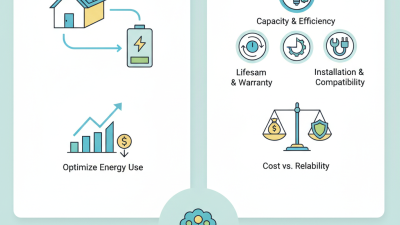
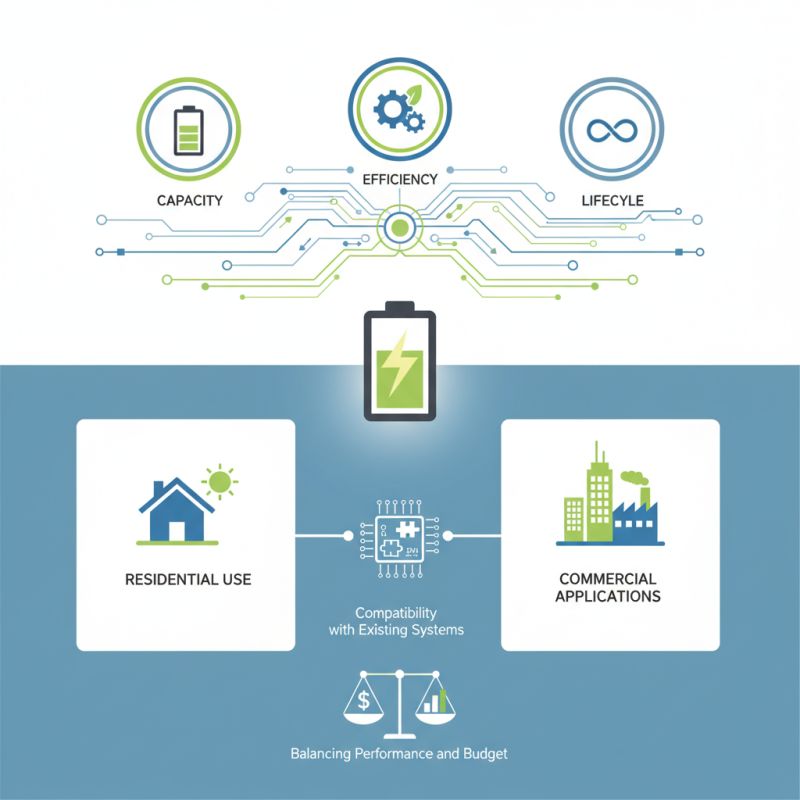
When evaluating different ESS batteries, consider capacity, efficiency, and lifecycle. Each factor directly impacts performance and costs. It's essential to think about where and how you will use the battery. For instance, residential use may prioritize different features than commercial applications.
However, many users overlook the importance of compatibility with their existing systems. Often, people may make hasty decisions based on brand reputation rather than suitability. Reflecting on your unique needs will lead to better choices. While ESS batteries promise significant benefits, choosing the right one remains a nuanced process. Balancing performance and budget is key to finding your ideal fit.
Understanding ESS Battery Basics and Terminology
Understanding energy storage systems (ESS) is crucial for selecting the right battery solution. ESS batteries come in various chemistries, including lithium-ion, lead-acid, and flow batteries. Each type has different energy densities and efficiency levels. For instance, lithium-ion batteries typically offer around 150-250 Wh/kg, while lead-acid batteries only provide about 30-50 Wh/kg. This key difference impacts overall performance and longevity.
Terminology in the ESS landscape can be confusing. When evaluating batteries, terms like "cycle life" and "depth of discharge" matter significantly. Cycle life indicates how many complete charge-discharge cycles a battery can undergo before performance declines. Most modern lithium-ion batteries achieve around 2,000 cycles, but deeper discharges can reduce this number. Understanding these terms allows users to assess their needs effectively.
Navigating the vast options available can be daunting. Industry reports suggest that residential energy storage market growth is expected to exceed 30% annually. This rapid expansion highlights the importance of educating oneself about battery characteristics and specifications. When making a decision, reflecting on your energy usage patterns is essential. Are peak usage times aligned with solar generation? This question can guide you in choosing the most efficient system for your lifestyle.
Identifying Your Energy Storage Needs and Goals
Choosing the right energy storage system is vital. Start by identifying your energy needs and usage patterns. Are you using energy for daily consumption, or do you aim to backup your home? Understanding your goals will guide you in selecting the appropriate ESS battery.
Consider the capacity you require. A larger capacity means longer usage times, but it also comes at a higher cost. Assess your average energy consumption. If you find fluctuating usage, a flexible battery may suit you better. A deeper analysis could lead to insights about your habits.
Tips: Take measurements of your daily energy use. Track your usage for a week or more. Evaluate energy peaks and troughs.
Efficiency and environmental impact are also crucial. Look for batteries that provide reliable performance and minimize waste. Research the lifecycle of the battery. How long will it last before needing replacement? This aspect can influence long-term savings.
Tips: Think about battery placement and accessibility. Easy access can ease maintenance and troubleshooting. Consider the warranties offered. They can ensure reliability and peace of mind.
Evaluating Battery Chemistry Types and Their Advantages
When selecting the best energy storage system (ESS) battery, understanding battery chemistry is crucial. Different types offer various advantages. Lithium-ion batteries, for example, are popular due to their high energy density and longevity. They excel in applications requiring frequent cycling. Their compact size and lighter weight make them ideal for residential and commercial use.
On the other hand, lead-acid batteries are less expensive upfront. However, they have a shorter lifespan and lower energy density. They may suit backup energy needs but fall short for regular cycling. Nickel-based batteries, though less common now, provide unique benefits, such as high discharge rates. Some users may find them suitable for specific applications despite their higher cost and environmental concerns.
Evaluating these chemistries requires reflection on personal needs and usage patterns. It's easy to overlook details like maintenance needs and thermal stability. Understanding your energy demands can guide you toward the right choice. Relying solely on initial costs can lead to regrets later. Consider the impact of your choice on performance and sustainability. Each chemistry has its flaws and merits, and careful assessment can clarify the best fit for you.
Assessing Battery Capacity, Discharge Rate, and Lifespan
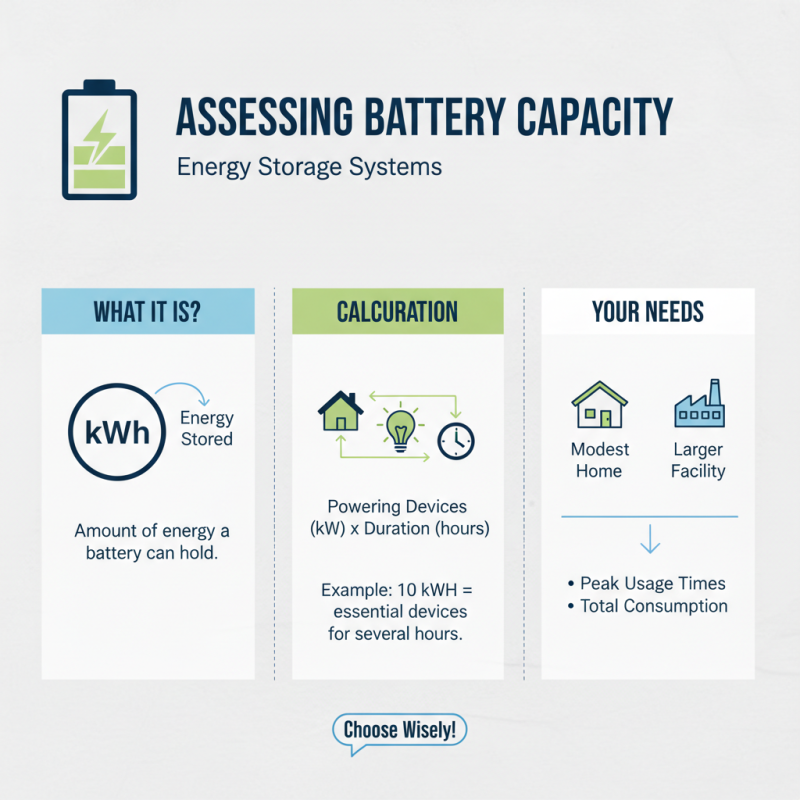
When choosing an energy storage system, understanding battery capacity is crucial. The capacity indicates how much energy a battery can store, measured in kilowatt-hours (kWh). For instance, a battery with a capacity of 10 kWh can power essential devices for several hours. Assess your energy needs. Are you powering a modest home or a larger facility? Make sure to consider peak usage times and total consumption.
Discharge rate is another key factor. This rate shows how quickly the battery releases its stored energy. A higher discharge rate may benefit those needing rapid bursts of power. Conversely, if you require steady usage over time, a lower discharge rate might suffice. This balance can impact performance, especially during critical periods.
Lifespan cannot be overlooked. Most batteries have a defined cycle life, indicating how many charge and discharge cycles they can undergo before performance declines. Regularly monitor your battery’s health. Some may degrade faster than expected, leading to unexpected costs. Reflect on your energy habits. Are there ways to optimize usage? By doing so, you can enhance the longevity of your chosen battery system.
Comparing Costs, Warranties, and Maintenance Requirements
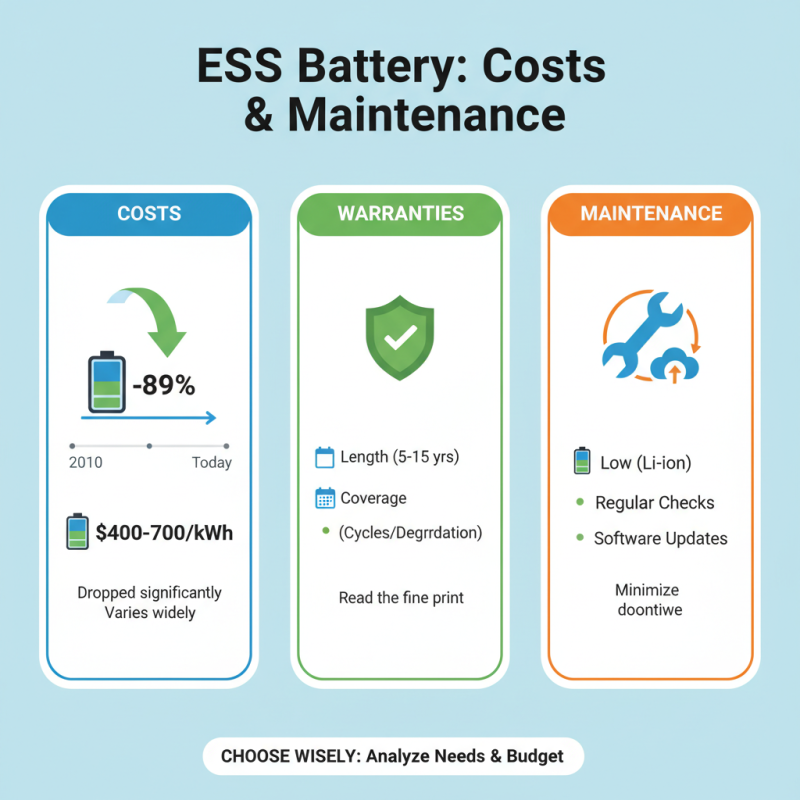
When choosing the best Energy Storage System (ESS) battery, costs, warranties, and maintenance requirements are critical criteria. Reports show that battery prices have dropped by about 89% since 2010, but costs can still vary widely. A typical lithium-ion battery system may cost between $400 to $700 per kWh. Users must analyze their energy consumption and budget to find the right fit.
Warranties differ significantly among products, typically ranging from 5 to 15 years. According to the National Renewable Energy Laboratory, batteries should retain at least 70% of their capacity within warranty terms. Users should seek batteries with robust warranties, ensuring protection against early failures.
Maintenance is often overlooked but essential. Some systems require regular checks, while others are nearly maintenance-free. Industry studies suggest that proactive maintenance can reduce long-term costs by up to 30%. Users must weigh these aspects carefully, knowing that lower initial costs might lead to higher overall investments. Evaluating these factors ensures a well-informed choice tailored to individual needs.