Choosing the right Solar Energy Storage system can feel like comparing ten similar boxes. Each promises dependable backup, lower grid dependence, and better use of rooftop power. Yet performance depends on more than battery capacity.
This guide examines the top 10 systems through practical criteria. These include usable capacity, round-trip efficiency, backup response, warranty coverage, safety features, and installation flexibility. We also consider inverter compatibility, monitoring software, temperature performance, and long-term maintenance. A battery rated for 13.5 kilowatt-hours may provide less usable energy after reserve limits and conversion losses. That difference matters during a winter outage or an evening of heavy appliance use.
Real homes reveal details that brochures often hide. A quiet system beside a garage may suit one family, while a compact indoor unit may better serve an apartment owner. Installer experience also matters. Poor sizing can reduce savings, even when the equipment is excellent.
No ranking is perfect. Energy prices, sunlight, household demand, and local regulations change the result. Some performance data comes from controlled testing rather than years of everyday use. That limitation deserves attention. We compare manufacturer specifications with independent testing, published certifications, warranty terms, and installer feedback where available. Readers should still request site-specific proposals from qualified professionals.
The goal is not to name one universal winner. It is to identify systems that balance safety, reliability, cost, and useful energy. Expect trade-offs. The best choice may be the system that fits your home quietly and consistently, not the one with the biggest headline capacity.
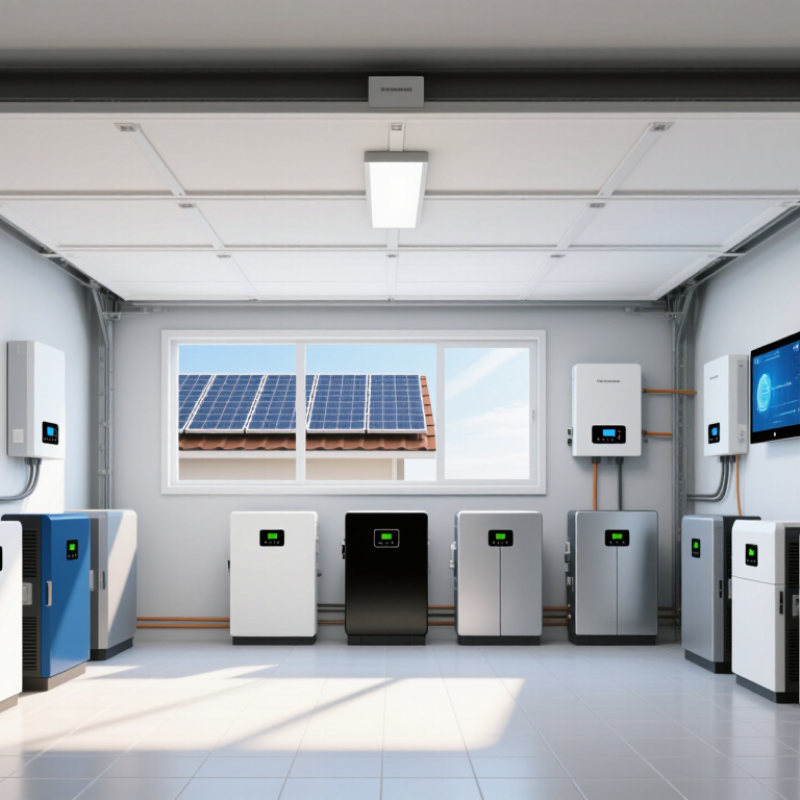
A solar energy storage system is more than a battery beside solar panels. It is an integrated setup that produces, stores, controls, and delivers electricity. When comparing the top ten systems, examine how these parts work together. The solar array generates direct current, while an inverter converts it for household appliances. A battery stores unused energy for evening use, cloudy periods, or outages.
At its core, the battery requires a battery management system. This controller monitors temperature, voltage, charging speed, and cell balance. It helps prevent overheating and extends useful service life. An energy management system decides when to charge, discharge, or draw power from the grid. A transfer switch may separate essential circuits during an outage. Small details matter. Cable sizing, ventilation, enclosure protection, and installation quality affect safety and performance.
During site assessments, I would also check usable capacity rather than advertised capacity. A 10-kilowatt-hour battery may provide less energy after reserve limits and conversion losses. Round-trip efficiency, response time, warranty terms, and operating temperature deserve careful review. Solar storage is not automatically economical in every home. Tariffs, roof output, electricity demand, and local rules change the result. One imperfect assumption can distort the whole design. Good systems remain measurable, serviceable, and compatible with future expansion. Still, even careful forecasts can miss unusual weather or changing household habits.
| System Type | How It Stores Solar Energy | Typical Storage Duration | Indicative Round-Trip Efficiency | Common Advantages | Key Considerations |
|---|---|---|---|---|---|
| Lithium iron phosphate (LFP) battery system | Stores electricity through reversible chemical reactions in lithium-ion cells. | About 2–8 hours | About 85–95% | Long cycle life, strong thermal stability relative to many other lithium-ion chemistries, and suitability for frequent cycling. | Requires a battery management system and appropriate temperature and safety controls; usable capacity depends on system settings. |
| Nickel manganese cobalt (NMC) battery system | Stores electricity in lithium-ion cells using a nickel, manganese, and cobalt cathode. | About 1–6 hours | About 85–95% | High energy density can make it useful where space or weight is limited. | Thermal management and protection systems are important; lifespan and performance depend on operating conditions. |
| Lead-acid battery system | Stores electricity through reversible reactions between lead-based electrodes and an electrolyte. | About 2–8 hours | About 70–85% | Established technology with widely understood maintenance and recycling processes. | Typically heavier and less energy-dense than lithium-ion systems; frequent deep discharge can shorten service life. |
| Vanadium redox flow battery system | Stores energy in liquid electrolytes held in tanks and circulated through an electrochemical stack. | About 4–12 hours or longer | About 65–85% | Energy capacity can be increased by enlarging the electrolyte tanks; designed for repeated cycling. | Usually requires more space and system components than compact battery installations. |
| Sodium-ion battery system | Stores electricity through reversible sodium-ion movement between electrode materials. | About 2–8 hours | About 80–90% | Uses sodium, an abundant element, and may suit stationary storage applications. | Commercial performance, product availability, and lifetime vary by design and are still developing across the market. |
| Thermal energy storage system | Stores solar energy as heat or cold in materials such as water, molten salts, or solid media. | Several hours to multiple days | Varies widely; often about 50–90% for electricity-to-electricity pathways | Can be effective when the stored heat or cold is used directly, such as for heating, cooling, or industrial processes. | Electricity-to-electricity performance depends strongly on the conversion equipment and storage medium. |
| Hydrogen-based storage system | Uses electricity to produce hydrogen, stores it, and later converts it back to electricity or uses it as a fuel. | Hours to seasonal durations | About 25–45% for electricity-to-hydrogen-to-electricity pathways | Hydrogen can be stored for long periods and may serve uses beyond electricity generation. | Conversion losses are substantial; storage, handling, and end-use equipment are required. |
| Second-life battery system | Repurposes tested batteries, often from electric vehicles, for stationary electricity storage. | About 1–6 hours, depending on the battery and design | Often about 70–90%; varies with battery condition and system design | Can extend the useful life of batteries before recycling and may reduce demand for new cells. | Capacity, history, and remaining service life can differ between batteries, so testing and controls are essential. |
| DC-coupled solar-plus-battery system | Connects solar panels and a battery on the direct-current side, typically using shared power-conversion equipment. | Commonly about 2–8 hours | System-dependent; often about 85–95% for battery cycling | Can reduce conversion steps when storing solar electricity directly from the panels. | Compatibility and inverter design affect operation; retrofitting an existing solar installation may be more complex. |
| AC-coupled solar-plus-battery system | Connects the battery to the alternating-current side of the electrical system, alongside the solar inverter. | Commonly about 2–8 hours | System-dependent; often about 80–90% for solar-to-battery-to-load pathways | Can be convenient for adding storage to an existing solar installation. | Solar electricity may undergo additional conversions before storage or use, which can reduce overall efficiency. |
| A solar energy storage system captures surplus solar energy and makes it available later. It commonly includes a storage medium, power-conversion equipment, controls, and safety components. The figures above are indicative technology-level ranges, not guaranteed product specifications; actual duration and efficiency vary with system design, operating conditions, and how efficiency is measured. | |||||