Choosing the best Ess Battery for 2026 starts with the job it must do. A cabin with daily solar charging has different needs from a commercial site facing evening demand peaks. LFP batteries often appeal to buyers prioritizing cycle life and thermal stability. NMC systems can offer higher energy density where floor space is tight. Neither chemistry wins every comparison. Not even close.
Battery scientist Dr. Shirley Meng’s research offers a useful principle, paraphrased here: match battery chemistry to the application, not a headline claim. That distinction matters when comparing usable capacity, round-trip efficiency, operating temperature, and warranty terms. A specification sheet may look impressive, yet still leave practical questions unanswered. Will the system deliver rated power on a cold morning? Does its inverter work with the existing solar equipment? How much capacity remains after years of daily cycling? These details shape real-world value.
This guide compares leading ESS Battery types for 2026, including LFP and NMC, across safety, lifespan, cost, and performance. It also considers installation constraints and system compatibility, because a battery rarely works alone. Look beyond the lowest price. Check the evidence behind cycle-life claims, and ask how performance was measured. The right choice may be less obvious than the marketing suggests. That deserves careful thought.
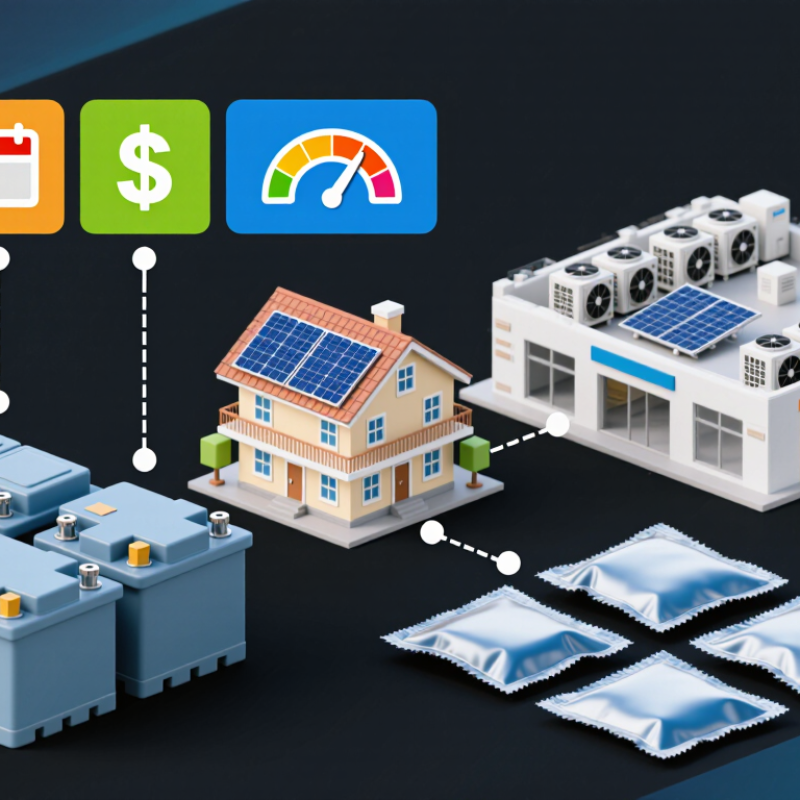
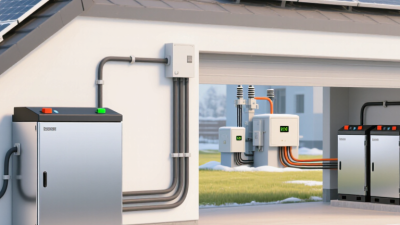
An energy storage system, or ESS, stores electricity for use later. It is more than a battery. A typical setup includes battery modules, an inverter, monitoring controls, and safety equipment. Together, these parts manage how electricity moves between the grid, solar panels, and a building. Power matters.
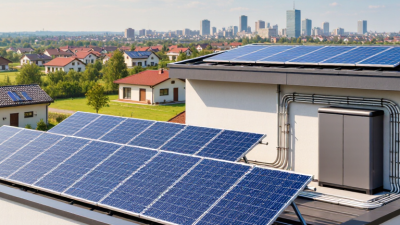
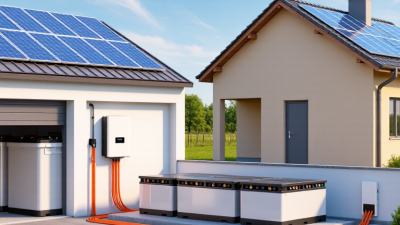
At home, an ESS can store extra solar energy produced around midday. In the evening, that stored power can run lights, appliances, or heating equipment. During an outage, a properly configured system may keep selected circuits running. The available backup time depends on battery capacity and household demand. A refrigerator and a few lamps use far less energy than an electric oven.
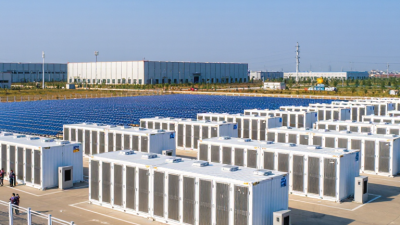
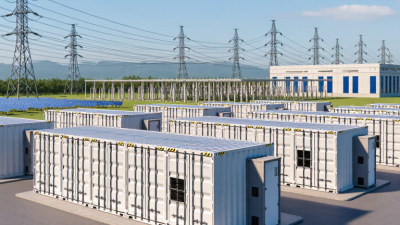
Businesses use larger systems to reduce peak demand or support operations during brief interruptions. Some systems also help balance electricity supply and demand across the grid. The right battery chemistry depends on the job, expected cycle life, space, budget, and operating conditions.
A system sized only by its headline capacity may disappoint. Not always. Detailed load data and installation planning make a real difference, and those details are easy to underestimate. A modest, well-matched ESS can be more useful than a larger system that rarely operates as intended.
ESS batteries use several chemistries, each suited to different operating needs. Lithium iron phosphate (LFP) is widely used for stationary storage because it offers long cycle life and strong thermal stability. The IEA’s Batteries and Secure Energy Transitions report says LFP accounted for over 80% of new battery storage installations in 2023. That is a clear market signal, not a universal winner.
Nickel manganese cobalt (NMC) packs more energy into a smaller footprint, which can matter where space is tight. However, its materials and thermal-management needs may raise project costs. Lead-acid remains familiar and relatively simple, but frequent cycling can shorten its useful life.
Sodium-sulfur systems suit long-duration applications, though they operate at high temperatures and need careful thermal controls. Not a small detail.
Vanadium redox flow batteries store energy in liquid electrolytes held in external tanks. Increasing tank volume can extend storage duration without enlarging the power stack, but the system needs more space. Sodium-ion is another emerging option; its performance and supply chain are still developing.
The U.S. Department of Energy’s 2022 Cost and Performance Assessment compares lithium-ion and flow systems, underscoring how costs depend on duration and project design. A site with a four-hour evening peak may favor a different chemistry than one needing overnight discharge. There is no effortless comparison.
ESS batteries differ most in efficiency, usable duration, degradation, and operating needs—not simply purchase price. The U.S. Department of Energy’s 2022 Grid Energy Storage Technology Cost and Performance Assessment uses about 85% round-trip efficiency for lithium-ion systems. Its estimates for flow batteries are generally lower and vary by design. That gap affects the energy delivered after charging losses. Real projects can differ.
Lithium-ion packs offer high energy density and suit compact, fast-response installations. The International Energy Agency’s 2024 Batteries and Secure Energy Transitions report identifies lithium-ion as the dominant battery technology in deployed storage. Flow batteries can be attractive for longer discharge periods because their energy capacity can be scaled separately from power. They usually need more space. Sodium-ion systems reduce reliance on lithium, but commercial experience and project data remain less mature.
Compare full-system costs, not cell prices alone. Include inverters, cooling, fire protection, replacement schedules, and efficiency at the site’s actual temperature. The DOE figures are useful benchmarks, not guarantees; studies may use different boundaries and operating assumptions. A four-hour system with daily cycling may favor a different chemistry than a backup unit that sits idle. That detail is easy to miss. A careful project review should test the expected duty cycle against measured system-level performance.
For a 2026 energy storage system, the best battery depends on its duty cycle, site conditions, and safety controls. Safety starts with chemistry, but it does not end there. Lithium iron phosphate batteries generally offer better thermal stability than nickel-rich lithium-ion chemistries, though neither is risk-free. Ventilation, temperature monitoring, fault isolation, and correct commissioning all matter. A poorly planned installation can undermine a sound battery choice. Heat changes everything.
Cost should be measured over the system’s working life, not by purchase price alone. Include usable capacity, efficiency losses, maintenance, replacement needs, and any required thermal management. A lower-cost battery may become more expensive if it degrades quickly under daily deep cycling. Lifespan depends heavily on temperature, charge rate, and depth of discharge; published cycle counts assume specific test conditions. Ask how those conditions compare with your site’s actual use. I would also leave room for uncertainty: real operating data rarely matches a perfect spreadsheet. Regular checks of temperature, capacity, and fault records can reveal trouble before it becomes an expensive surprise.
| Battery Type | Typical Safety Considerations | Typical Cycle Life | Typical Round-Trip Efficiency | Relative Upfront Cost | Lifespan and Maintenance Factors | Often Best Suited For |
|---|---|---|---|---|---|---|
| Lithium Iron Phosphate (LFP) | Generally more thermally stable than nickel-rich lithium-ion chemistries, but cells can still overheat or enter thermal runaway. Battery management, thermal controls, and installation safeguards remain essential. | About 2,000–6,000 cycles, depending on cell design, temperature, depth of discharge, and operating conditions. | About 90–96% | Low to moderate; commonly competitive for stationary storage. | Often selected for long daily cycling. High temperatures and prolonged operation at extreme charge levels can shorten service life. | A strong all-round choice for many residential and commercial ESS installations where safety, cycle life, and cost balance matter. |
| Nickel Manganese Cobalt (NMC) | Higher energy density can reduce space requirements, but thermal runaway risk is generally greater than with LFP. Proper system design, monitoring, and fire protection are important. | About 1,000–3,000 cycles, with wide variation by cell and operating conditions. | About 90–95% | Moderate to high; varies with system design and market conditions. | Service life is sensitive to heat, deep cycling, and time spent at high states of charge. | Space-constrained installations where compact size and high energy density are priorities. |
| Lead-Acid | Flooded batteries can release hydrogen during charging and require ventilation; all types contain corrosive electrolyte. Appropriate handling and charging controls are necessary. | About 300–1,500 cycles; frequent deep discharges generally reduce cycle life. | About 70–85% | Low initial purchase cost, but replacement and efficiency costs can increase lifetime cost. | Typically shorter-lived than modern lithium-ion options in frequent-cycling applications. Flooded types may require electrolyte checks. | Backup use, modest budgets, or applications with infrequent cycling and straightforward replacement needs. |
| Sodium-Ion | Safety characteristics depend on cell chemistry and design. Some designs may reduce certain thermal risks, but sodium-ion systems still need suitable battery controls and installation safeguards. | Product-specific; some designs target several thousand cycles, but long-term field data remain more limited than for established chemistries. | About 85–92%, depending on cell and system configuration. | Emerging and market-dependent; broad cost comparisons remain uncertain. | Performance and service life vary considerably across products. Check independently verifiable cycle-life and warranty conditions. | Projects evaluating alternatives to lithium-ion, especially where supply-chain diversity or performance in cooler conditions is important. |
| Vanadium Redox Flow | Uses liquid electrolyte in external tanks; the electrolyte is generally not combustible, but it is acidic and requires containment and safe handling. | Often designed for 10,000 or more cycles; stack components may need maintenance or replacement over time. | About 65–85% | Usually high upfront system cost, particularly for shorter-duration storage. | Energy capacity can be increased by enlarging electrolyte tanks. A larger physical footprint and pumps add system complexity. | Stationary, long-duration applications where frequent cycling and long service life can justify a larger installation. |
Figures are indicative ranges, not guarantees or direct product comparisons. Actual results depend on system design, usable capacity, temperature, charge and discharge rates, depth of discharge, installation, and warranty terms. Efficiency figures are approximate system-level ranges and may differ by measurement method. For many general-purpose ESS projects in 2026, LFP is a strong overall candidate; long-duration projects may favor flow batteries, while space-constrained projects may favor high-energy-density chemistries.
An ESS battery should match its daily workload, not just its purchase price. Lithium iron phosphate (LFP) often suits commercial sites with regular cycling, such as storing midday solar power for evening use. It offers long cycle life and good thermal stability, though its lower energy density can require more floor space. Check usable capacity, cooling needs, and operating limits before sizing a system.
When space is tight, nickel manganese cobalt (NMC) can provide more energy in a smaller footprint. That can help urban buildings or sites with limited room, but careful thermal management matters.
For long-duration, frequent cycling, flow batteries may fit projects where space is available and service requirements are manageable. Their tanks take room. Not every site has it.
Lead-acid batteries may still suit infrequent emergency backup, where low upfront cost matters more than repeated deep cycling. They are heavy, and frequent cycling can shorten service life. A common planning mistake is choosing by chemistry alone. Model the actual load curve, including cloudy days, peak demand, and backup duration; then compare lifetime costs and replacement assumptions. Details get missed. Real operating data should guide the final choice, because temperature and duty cycle can change performance substantially.