How to Choose Solar Energy Storage Systems in 2026?
Choosing Solar Energy Storage Systems in 2026 means matching a battery to the way a home actually uses power. The right choice depends on more than capacity. Daily electricity use, peak demand, backup needs, local weather, and inverter compatibility all matter. That matters. Dr. Imre Gyuk, longtime director of the U.S. Department of Energy’s Energy Storage Program, has described energy storage as “the key to unlocking the full potential of renewable energy.” His observation points to a practical question: can a system store midday solar power and deliver it when the home needs it? In 2026, buyers should also compare usable capacity, round-trip efficiency, warranty terms, and installation costs. Product labels can look reassuring. Read the details.
This guide explains how to evaluate those details without assuming that the largest battery is automatically the best. A household with an electric vehicle and heat pump may need a different setup from one seeking only overnight coverage for lights, a refrigerator, and internet equipment. Check how long backup power is expected to last, which circuits the system can support, and whether expansion is possible. Ask installers to show their assumptions, including seasonal production and evening consumption. Numbers first. Those estimates are still estimates; cloudy weeks and changing habits can shift the result. A careful comparison should include system limits, service support, and a realistic payback range, not just a headline savings figure. The goal is a storage system that fits the home, budget, and appetite for backup—not a perfect forecast.
Map Household Loads, Backup Duration, and Solar Output Before Selecting Storage
Before choosing a battery, map the circuits you actually need during an outage. Start with the loads. A refrigerator, modem, a few lights, and a medical device create a different demand profile from whole-home backup. Note each appliance’s running watts, startup surge, and hours of use. The U.S. Energy Information Administration reports average residential electricity use of 10,791 kWh per customer in 2022, or about 29.6 kWh daily. That is only a benchmark, not a battery size: household averages hide major differences in heating, cooling, and daily routines. Decide how many hours or days essential circuits must run, then compare usable battery capacity and continuous power with that load.
Solar output needs its own estimate. NREL’s PVWatts model uses location, system orientation, and weather data to estimate photovoltaic production; check monthly results, not just an annual total. A shaded roof in December may generate far less than a clear summer roof. Compare expected daytime production with daytime consumption and battery charging needs. If outages often last through cloudy weather, do not assume panels will refill storage quickly. One easy planning mistake is treating a sunny-day estimate as a guarantee. It isn’t. Leave room for imperfect assumptions, and review the load list against recent electricity bills or interval-meter data before selecting a system.
Size Power and Energy Separately: NREL Models 4-Hour Batteries at 85% Efficiency
How to Choose Solar Energy Storage Systems in 2026?
Size Power and Energy Separately: NREL Models 4-Hour Batteries at 85% Efficiency
Choosing a solar battery starts with two different questions: how much power must it supply, and for how long? Power, measured in kilowatts, determines which appliances can run together. Energy, measured in kilowatt-hours, determines how long they can run. A refrigerator, lights, and a well pump may create a sharp evening peak. A longer outage needs more stored energy, not necessarily a higher power rating.
NREL’s 2024 Annual Technology Baseline models utility-scale batteries with four-hour duration and 85% round-trip efficiency. Treat those figures as a planning reference, not a promise for every home system. For example, a battery taking in 20 kWh of solar energy might return about 17 kWh across a full cycle at 85% efficiency. Real usable energy can be lower because of reserves, temperature, and operating limits. Check the usable capacity, not just the advertised total.
Compare that energy estimate with your actual evening use, ideally from interval-meter data or a load monitor. Then check the inverter’s continuous and surge power against the appliances you expect to run. The IEA’s 2024 Batteries and Secure Energy Transitions report says global battery storage must expand sixfold by 2030 in its climate-aligned pathway. That growth is striking, but it cannot size your house. I still find simple runtime estimates a little too neat; household routines rarely follow a spreadsheet.
Compare Battery Chemistries by Cycle Life, Usable Capacity, and Safety
A solar battery’s cycle-life claim is useful only when its test conditions are clear. Check the stated depth of discharge, operating temperature, and remaining capacity at end of life. Lithium iron phosphate (LFP) often offers long cycle life and strong thermal stability, while nickel manganese cobalt (NMC) packs more energy into less space. Lithium titanate can tolerate frequent cycling, but usually carries a cost and energy-density trade-off. These are tendencies, not guarantees.
Usable capacity is the energy you can actually draw, not the number on the box. A 10 kWh battery limited to 90% depth of discharge provides about 9 kWh before conversion losses or reserve settings. NREL’s 2024 Annual Technology Baseline models lithium-ion storage at 85% round-trip efficiency and a 15-year life. These are planning assumptions, not a warranty or a chemistry-specific promise. That distinction is easy to miss.
Safety needs more than a chemistry label. LFP generally has lower thermal-runaway risk than nickel-rich chemistries, but every battery can overheat under fault conditions. Ask for system-level UL 9540 certification and relevant UL 9540A test results; the latter evaluates fire propagation. Look closely at installation clearances, ventilation, and monitoring. I would not compare cycle counts unless both systems use the same discharge depth and end-of-life threshold. The comparison is imperfect, but it is more honest.
Verify Inverter Compatibility, Islanding Capability, UL 9540, and NFPA 855
When choosing a solar storage system in 2026, check the exact inverter and battery models for compatibility. Matching voltage alone is not proof; confirm approved configurations, firmware, and power limits in writing. During an outage, islanding controls must disconnect the home from the grid and let the inverter supply selected loads. Ask which circuits stay energized, and for how long. A refrigerator, lights, and a well pump can demand very different amounts of power.
Safety paperwork matters. UL 9540 evaluates energy storage systems, not just individual battery cells, so verify the complete proposed system’s listing. NFPA 855 addresses installation and fire-safety considerations; local codes and the authority having jurisdiction may affect placement and clearances. NREL’s 2024 Annual Technology Baseline assumes 85% round-trip efficiency for utility-scale lithium-ion storage. That is a modeling benchmark, not a promise for a home system. Real performance depends on equipment, temperature, and operating settings.
Before signing, ask for the system’s UL 9540 documentation and an installation plan showing clearances, ventilation, and emergency access. Have the installer demonstrate how islanding works, including what happens when stored energy runs low. This detail gets missed. A polished specification sheet can still leave awkward questions unanswered, so request written answers and check them against the equipment manuals.
How to Choose Solar Energy Storage Systems in 2026
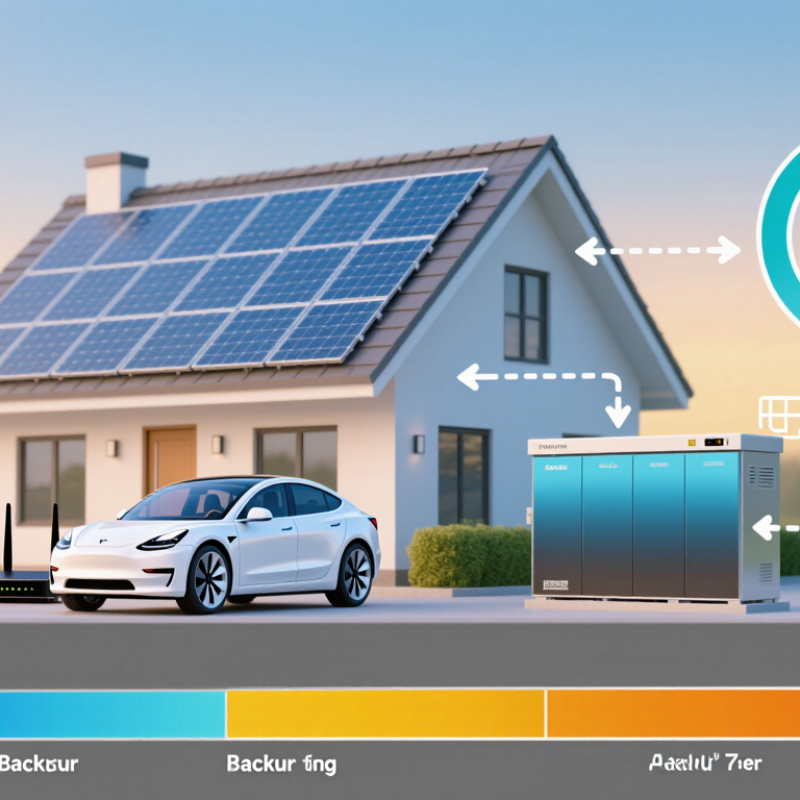
A practical pre-purchase checklist: the bars show the number of questions to verify in each area, not a product rating.
What to check: Confirm inverter voltage, power, and communication compatibility; verify intentional islanding and safe grid isolation for backup operation; check UL 9540 certification for the complete energy storage system and its approved configuration; and confirm NFPA 855 requirements as adopted by the local authority having jurisdiction. Requirements can vary by system design and location.
Assess Lifetime Cost, Warranty Terms, and Savings Under Local Utility Tariffs
When comparing solar storage systems in 2026, look beyond the purchase price.
Estimate lifetime cost across the years you expect to use the system. Include installation, monitoring fees, likely service needs, and eventual replacement. Then compare usable capacity, efficiency, and expected capacity loss over time. A battery that stores more energy may not save more if your household rarely uses it after sunset.
Warranty details matter. Check the coverage period, minimum retained capacity, and any limits on energy throughput or daily cycles. Read what the warranty requires if performance drops, and who pays for labor or removal. Small print matters. Ask for the warranty document, not just a sales summary. A long term can still offer limited protection.
Savings depend on your local utility tariff and actual energy habits. If rates rise during evening hours, stored solar may offset costly purchases. Under time-of-use pricing, compare the evening rate with the value of exporting power during the day. Include fixed charges and demand fees where applicable; a battery may not reduce them. Use several months of bills to model ordinary seasons, not just one sunny month. Ask the installer to show the assumptions behind projected savings, including power outages and cloudy weeks. Estimates can be wrong. I would treat any precise payback date as a scenario, not a promise.