Battery Energy Storage System markets are moving from pilot projects into core power infrastructure. The International Energy Agency’s Batteries and Secure Energy Transitions report identifies battery storage as the fastest-growing commercially available energy technology in 2023. Global deployment more than doubled that year. This growth reflects a practical need: storing solar power at noon and releasing it during evening demand.
Manufacturers now compete on more than battery cell prices. A credible supplier must demonstrate safety engineering, thermal management, system integration, software quality, and long-term service support. The U.S. Department of Energy’s Energy Storage Grand Challenge highlights manufacturing strength, domestic supply resilience, and lifecycle performance as strategic priorities. These factors matter beside a container in the field, where alarms, temperature sensors, and maintenance access affect daily reliability.
Market rankings can mislead.
Some lists emphasize shipment volume. Others prioritize project references, revenue, cell ownership, or regional presence. BloombergNEF’s annual energy storage research shows continuing cost reductions and rapid market expansion, but falling prices do not automatically indicate better quality. A low-cost system may create higher operating risks if commissioning support is weak. This article therefore examines leading Battery Energy Storage System manufacturers through measurable criteria, including deployed capacity, technology maturity, safety records, warranty structures, bankability, and after-sales capability. The assessment also considers independent testing and local compliance requirements. No ranking is perfect. Company disclosures differ, and some performance data remains difficult to verify. That limitation deserves attention, not concealment.
What Is a Battery Energy Storage System?
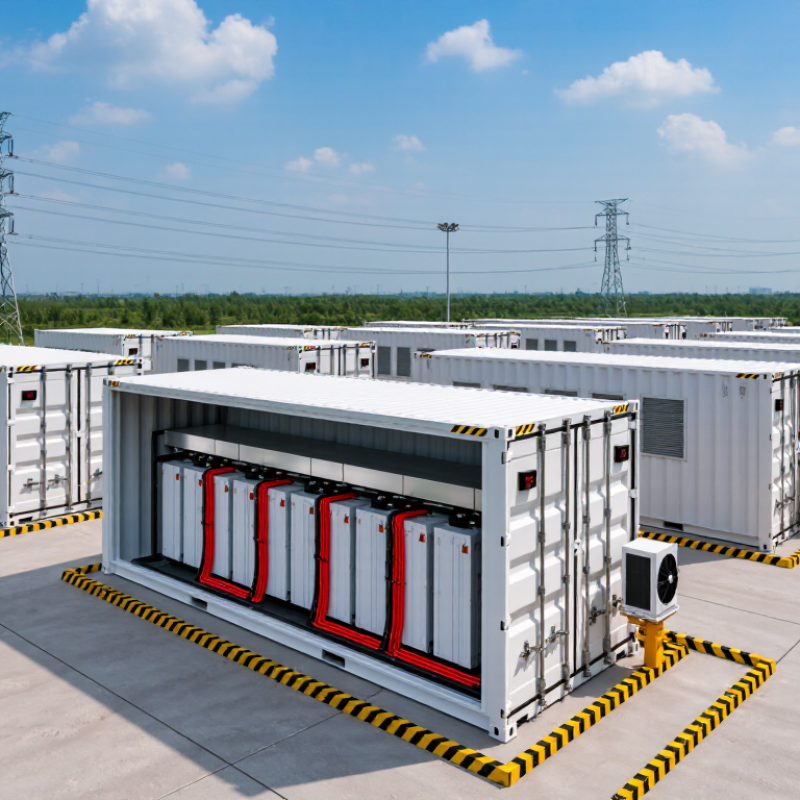
A battery energy storage system stores electrical energy for later use. It usually contains battery racks, a battery management system, power conversion equipment, and an energy management system. These components work together to charge, store, and discharge electricity safely. The system can support homes, factories, renewable power plants, and utility networks.
During charging, the power conversion system changes electricity into a form the batteries can accept. During discharge, it converts stored energy back for equipment or the grid. The battery management system monitors voltage, temperature, and state of charge. Thermal controls help prevent overheating. Safety equipment, including ventilation and detection systems, is also essential. A practical site assessment should examine load patterns, local weather, fire protection, maintenance access, and connection limits. One common mistake is sizing the battery only by capacity. Power rating and discharge duration matter just as much.
Tips: Review energy bills before choosing a system. Compare usable capacity, not only the advertised capacity. Leave space for inspections and future repairs. Ask for clear testing records and warranty conditions. Small details matter.
No system is perfect. Battery performance can decline with age, heat, and frequent deep cycling. I would also question optimistic savings estimates that ignore installation, replacement, and maintenance costs. Reliable planning uses measured data, conservative assumptions, and qualified electrical professionals.
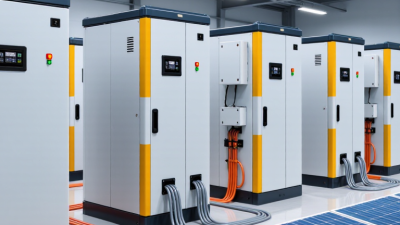
Evaluating a battery energy storage manufacturer begins with evidence, not polished marketing. Experienced buyers review deployed projects, operating temperatures, failure rates, and service records. A factory tour can reveal more than a brochure. Inspect cell storage, module assembly, fire controls, and quality checkpoints.
Technical performance must match the project’s daily work. Review usable capacity, round-trip efficiency, response time, cycle life, and degradation assumptions. Ask for test reports from independent laboratories. Check whether those results reflect the planned climate and charging profile. A system rated for 4,000 cycles may perform differently under frequent high-power operation.
Safety deserves direct questions. Evaluate thermal management, gas detection, isolation design, emergency procedures, and software alarms. Verify compliance with applicable electrical and fire standards. Manufacturer reliability also depends on warranty terms, spare-part availability, cybersecurity controls, and local technicians. Ask how quickly a damaged module can be replaced. Minutes matter during an outage.
Financial strength supports long-term support, but it does not guarantee engineering quality. Compare factory capacity, supplier traceability, and documented change-control procedures. Site references should include contactable operators, not only photographs. No scorecard is perfect. Some data may remain incomplete, especially for new designs. That uncertainty should be recorded rather than quietly ignored. A careful evaluation leaves room for field testing, independent inspection, and uncomfortable questions.
Global battery energy storage manufacturers are expanding quickly as grids absorb more solar and wind power. The International Energy Agency reported that utility-scale battery additions exceeded 40 GW in 2023. Global battery manufacturing capacity also surpassed 2.5 TWh that year. This capacity is far above current demand. Competition is intense.
Leading manufacturers now provide complete systems, including battery cells, thermal controls, power conversion equipment, and energy management software. Buyers should examine round-trip efficiency, warranty terms, degradation curves, and emergency-response procedures. BloombergNEF’s 2024 Energy Storage System Cost Survey showed that system costs continued falling, but regional pricing remained uneven. Local labor, shipping, financing, and grid requirements can change the final figure significantly. A ranking can look precise, but it is not.
Top battery energy storage system manufacturers now compete through integrated technologies, not battery cells alone.
Their main products include containerized utility-scale systems, commercial cabinets, residential all-in-one units, battery racks, power conversion systems, and energy management software. Lithium iron phosphate remains widely selected for stationary projects because of its thermal stability and cycle life. Some suppliers also develop sodium-ion and flow battery platforms for specific duration needs.
The International Energy Agency reported that global battery storage additions in the power sector nearly doubled in 2023. This growth increases demand for safer thermal management, stronger battery monitoring, and faster grid response.
Leading manufacturers commonly offer liquid cooling, fire detection, remote diagnostics, and modular designs. Their software can forecast solar output, manage peak demand, and provide frequency regulation.
Round-trip efficiency, warranty terms, degradation assumptions, and local service capacity matter more than a glossy capacity figure. A 10 MWh system is not equally useful everywhere.
Small details matter.
Tips:
Compare usable energy, not only nameplate capacity. Ask for tested cycle-life data at the intended temperature and depth of discharge. Review independent safety certifications and the supplier’s replacement process.
BloombergNEF’s 2024 battery price survey placed average lithium-ion pack prices at 115 dollars per kWh, but complete storage projects cost more after power electronics, construction, and controls.
Cost estimates can mislead. A cheaper cabinet may require more frequent augmentation, while a larger system may waste value during low-demand hours.
Decision-makers should model real load profiles before selecting a product.
Choosing a battery energy storage manufacturer requires more than comparing price per kilowatt-hour. The International Energy Agency reported that global battery storage additions reached nearly 42 GW in 2023, showing how quickly the market is expanding. That growth also increases supplier risk. Ask for audited project records, factory quality procedures, and operating data from systems in similar climates.
Look closely at the technical evidence. A credible manufacturer should provide cell chemistry, thermal-management details, round-trip efficiency, degradation assumptions, and response time. Request test reports aligned with standards such as IEC 62933 and UL 9540A. These documents matter when a container operates beside homes, substations, or a solar field. BloombergNEF reported an average battery pack price of 115 dollars per kWh in 2024, down 20% year over year. Low cost is attractive. It can also hide weaker controls, shorter warranties, or limited service capacity.
Review the warranty line by line. Check guaranteed capacity, cycle limits, availability targets, exclusions, and replacement responsibilities. Confirm whether the energy-management system can communicate with your inverter and grid operator. Visit a working installation if possible. Watch the alarms. Inspect cable labeling. Talk with the maintenance team. Their comments may reveal more than a polished presentation. I would not rely on one supplier scorecard; even reputable factories can miss site-specific conditions. A five-year service plan, local spare parts, and clear emergency procedures often matter more than a slightly cheaper initial quotation.