Ac Coupled Battery Tips for Optimal Performance and Efficiency?
In today's energy landscape, AC Coupled Battery systems are gaining attention for their potential to enhance performance and efficiency. These systems leverage alternating current (AC) technology to connect battery storage with various energy sources, including solar panels. By doing so, they can maximize energy use and create a more reliable power supply.
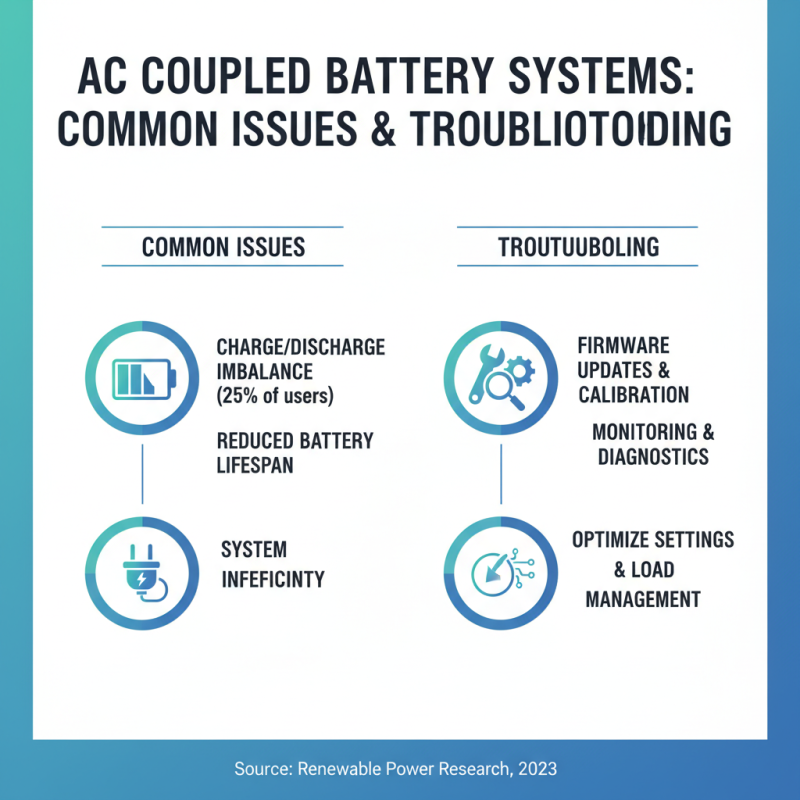
Understanding the intricacies of AC Coupled Battery setups is essential for optimal utilization. It's not just about installation; it's also about managing the energy flow. Issues may arise if the battery and inverter aren't properly matched. This mismatch can lead to inefficiencies, impacting overall system performance. While many users believe they’ve optimized their setup, small adjustments can yield significant improvements.
Investing time in learning about AC Coupled Battery systems pays off. Knowledge empowers users to troubleshoot effectively and enhance their systems. It’s vital to consider factors such as battery capacity and inverter compatibility. Continuous monitoring and adjustments based on performance metrics can make a considerable difference. Seeking guidance from experts can also help navigate common pitfalls.
Understanding AC Coupling in Battery Systems
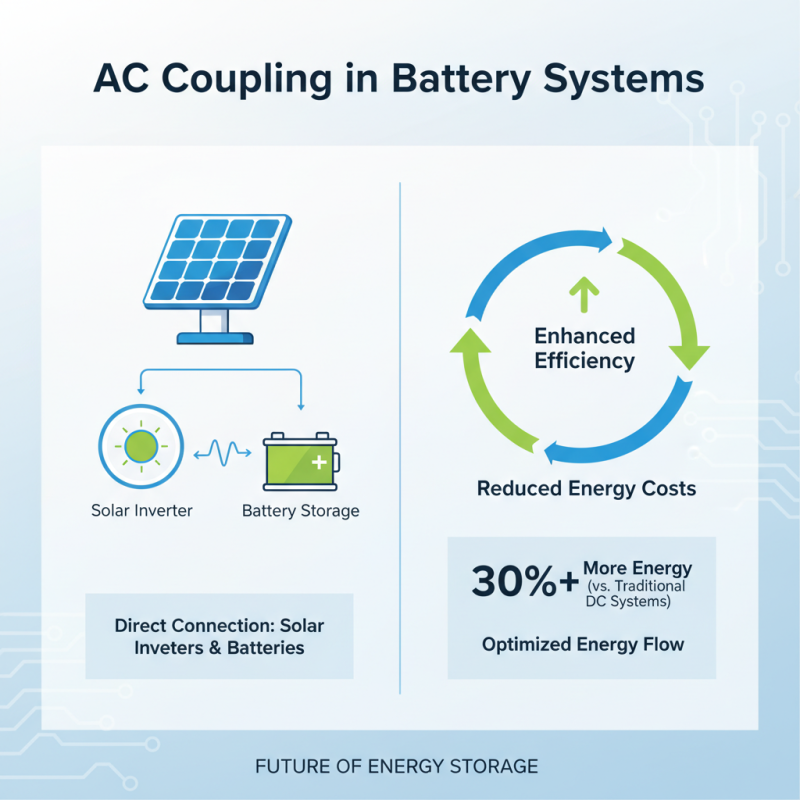
AC coupling in battery systems is gaining attention for its potential benefits. This method allows for direct connection between solar inverters and batteries. When properly integrated, it can enhance efficiency and reduce energy costs. According to recent reports, AC coupled systems can yield up to 30% more energy compared to traditional systems. This efficiency is attributed to the optimized energy flow management.
Understanding how AC coupling functions is crucial. It relies on alternating current, which allows batteries to charge and discharge efficiently. Data from industry studies reveals that AC coupling minimizes energy losses during conversion processes. This method also offers flexibility, enabling users to scale their systems as energy needs change. The challenge remains in ensuring compatibility among components. Often, mismatched equipment can lead to inefficiencies.
As with any technology, there are considerations. Users must evaluate their specific needs before adopting AC coupling. While the potential for improved performance is significant, some systems may not achieve expected results. Even small factors like installation errors can alter overall efficiency. Continuous monitoring and adjustments are essential to realize the full benefits of AC coupled battery systems.
Advantages of AC Coupled Battery Systems for Performance
AC coupled battery systems are gaining attention for their unique advantages. These systems allow the efficient integration of energy storage with renewable sources. By linking solar or wind power directly to batteries, they optimize energy use and enhance overall performance. This setup makes it easier to manage energy flow and reduces losses during conversion.
One key advantage of AC coupled systems is their flexibility. They can adapt to different energy demands and varying solar or wind conditions. This adaptability can lead to a higher overall efficiency, especially in locations with inconsistent energy generation. However, users might find the initial setup more complex. Balancing the various components can be challenging.
Another consideration is maintenance. Regular checks are essential to ensure all parts are functioning properly. Neglect can lead to reduced efficiency and performance. Learning to navigate these aspects is vital for optimizing energy storage solutions. The benefits are clear, but it's important to engage with the systems intelligently for the best results.
AC Coupled Battery Systems Performance Analysis
Optimal Sizing and Configuration of AC Coupled Batteries
AC coupled battery systems require careful planning for optimal performance and efficiency. Sizing these systems properly is crucial. According to a recent report by the National Renewable Energy Laboratory, most residential setups benefit from a minimum battery storage capacity of 10% of the solar system size. This means a 6 kW solar array should ideally be paired with at least 6 kWh of battery storage.
Configuration plays a vital role as well. The ideal configuration often depends on location and energy consumption patterns. For instance, in regions with high energy demand during peak hours, a hybrid approach may provide better efficiency. Both DC and AC coupling can work, but they often require different monitoring strategies. A study published in Energy Reports highlights that properly configured systems can increase efficiency by up to 30%.
Many installations often overlook the importance of regular maintenance. Battery performance can degrade without proper care. Monitoring discharge cycles and ensuring battery health are often neglected steps. This can lead to capacity loss. Informational resources can be helpful, yet many users still struggle with optimal configuration. Adaptability and awareness remain essential for maximizing battery life and performance.
Maintenance Tips for Enhancing AC Coupled Battery Efficiency
Maintaining an AC coupled battery system is essential for optimal performance and efficiency. Regular checks on connections can prevent energy loss. Ensure all terminals are clean and tight to avoid corrosion. Regularly inspect the inverter settings to match your energy needs, which maximizes system effectiveness.
Temperature plays a crucial role in battery health. Keep batteries in a well-ventilated area to avoid overheating. High temperatures can reduce the battery's lifespan. Monitor battery health through periodic checks on voltage and current. This practice can reveal potential issues before they escalate.
It’s also important to understand the charging cycles of your system. Overcharging can lead to reduced efficiency. On the flip side, undercharging can cause battery damage. Keep a log of usage patterns and adjust the charging times accordingly. This allows for better performance and reliable energy storage.