Top 10 Home Battery Storage Solutions for Your Energy Needs?
The rising demand for renewable energy solutions has prompted many homeowners to consider Home Battery Storage systems. A report by the International Energy Agency (IEA) suggests that global energy storage capacity is expected to reach 500 GWh by 2030. This growth reflects a shift towards sustainable energy practices, encouraging homeowners to invest in efficient energy storage options.
Home Battery Storage not only promotes energy independence but also helps in reducing electricity costs. According to a study from the U.S. Department of Energy, homes with battery storage can lower energy bills by up to 30%. However, homeowners must carefully evaluate which battery solution is best for their unique circumstances. While several products offer impressive specifications, not all solutions might be suitable for every home.
Various factors such as installation costs, capacity, and compatibility with existing systems play a crucial role. Potential users should consider each product’s pros and cons deeply. Some systems may fall short in performance during peak demands or may not fully integrate with solar panels. Therefore, it's essential to evaluate thoroughly before committing to a Home Battery Storage solution.
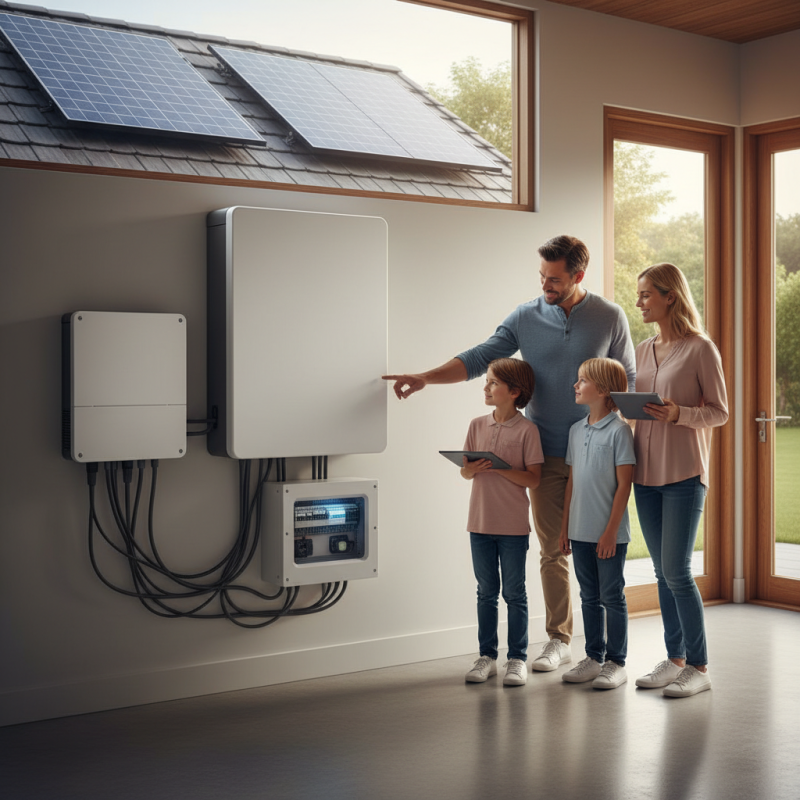
Overview of Home Battery Storage Solutions
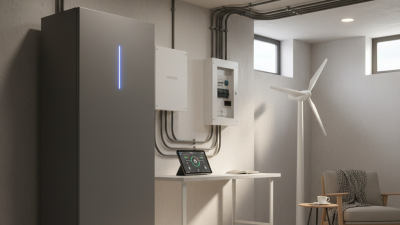
Home battery storage solutions have become increasingly popular in recent years. They offer a reliable way to store energy generated from renewable sources. Many homeowners seek these systems to enhance energy independence. These solutions can supply power during outages or peak demand times. With the right setup, it's possible to reduce monthly energy bills significantly.
There are several types of home battery systems available. Lithium-ion batteries are common due to their efficiency and compact size. Lead-acid batteries are another option, though they tend to have a shorter lifespan. Each option presents unique advantages and limitations. Understanding these can guide homeowners in making informed decisions. Not all batteries are suitable for every household. Capacity, charging speed, and warranty duration vary widely.
Choosing the right storage solution requires careful consideration. Local climate, energy consumption, and available space play crucial roles. Homeowners might benefit from consulting with energy experts. They provide insights tailored to individual needs. It's essential to weigh the installation costs against potential savings over time. Not every system will deliver the desired performance, leading to potential regrets later. Each decision in this process should be approached thoughtfully, aiming for long-term satisfaction.
Top 10 Home Battery Storage Solutions for Your Energy Needs
Factors to Consider When Choosing a Home Battery Storage System
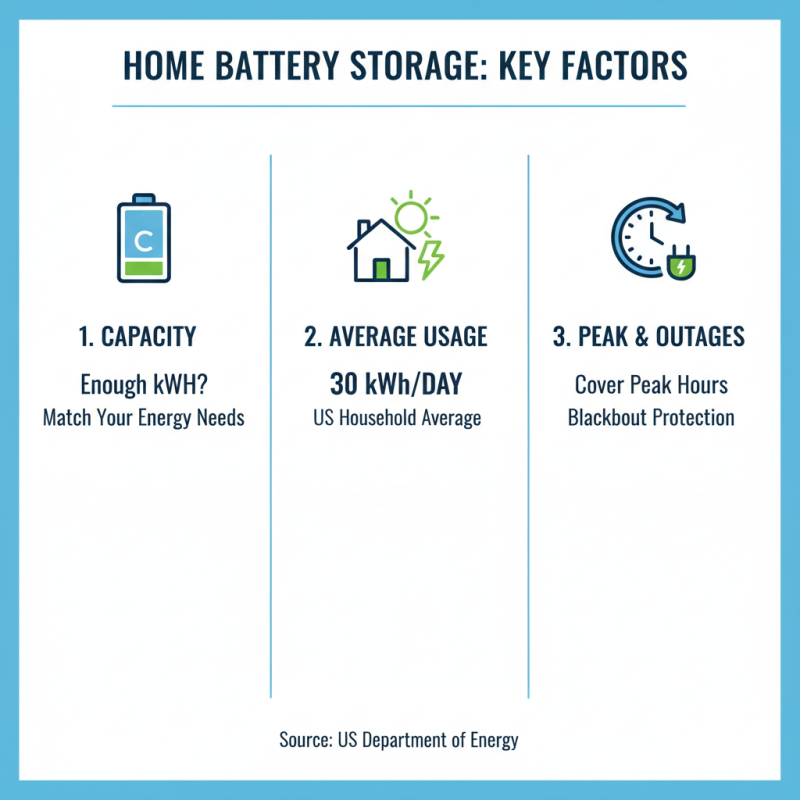
When selecting a home battery storage system, several factors come into play. Capacity is one of the first considerations. A battery should hold enough kilowatt-hours (kWh) to meet your energy demands. According to the U.S. Department of Energy, the average American household uses approximately 30 kWh per day. This means consumers often need a battery that can support this usage during peak hours or outages.
Another critical factor is the battery's lifecycle. Lifespan often varies, with many lithium-ion batteries lasting between 5 to 15 years. However, notable wear can impact efficiency over time. A study by the National Renewable Energy Laboratory found that batteries may lose about 20% of their capacity after 10 years of use. This highlights the need for clear warranties and support during the battery's life span.
Compatibility with your existing solar system is also key. Some systems may not integrate smoothly. An incompatibility can lead to performance issues, which is frustrating and costly. Furthermore, installation and maintenance costs can differ significantly between systems. It's essential to weigh these factors against your budget and energy goals. Evaluating local energy policies can also provide insight into incentives available for solar storage, making your investment more cost-effective.
Comparison of Leading Home Battery Brands
When it comes to home battery storage solutions, understanding brand comparisons is essential. Current reports highlight that the home battery market is expected to grow by over 30% annually. This rapid expansion emphasizes the need for consumers to make informed choices. Capacity, efficiency, and warranty terms are critical factors to consider.
Many leading brands offer battery systems with storage capacities ranging from 5 kWh to 20 kWh. For example, certain models can provide backup power for critical household appliances during outages. The average efficiency rating of these systems is approximately 90%. However, some batteries fall short, leading to losses in energy stored. Consumers should carefully evaluate the specifications and performance data available.
Warranty supports also vary significantly among brands. Some companies provide a 10-year warranty, while others may only offer 5 years. This raises important questions about the long-term reliability of cheaper options. Experts advise consumers to consider upfront costs against potential long-term savings. In conclusion, a focused comparison can illuminate the right choice for energy needs, guiding homeowners toward optimal battery solutions.
Top 10 Home Battery Storage Solutions for Your Energy Needs
| Storage Capacity (kWh) |
Power Output (kW) |
Round-Trip Efficiency (%) |
Warranty (Years) |
Approximate Cost ($) |
| 10 |
5 |
90 |
10 |
7000 |
| 13.5 |
7 |
89 |
10 |
8000 |
| 14 |
10 |
92 |
15 |
9000 |
| 10 |
5 |
87 |
12 |
7500 |
| 20 |
10 |
95 |
10 |
12000 |
| 12 |
6 |
90 |
10 |
7200 |
| 10 |
7 |
88 |
10 |
6800 |
| 9 |
4 |
85 |
8 |
6000 |
| 15 |
10 |
93 |
10 |
9500 |
| 18 |
8 |
91 |
11 |
11000 |
Installation and Maintenance of Home Battery Systems
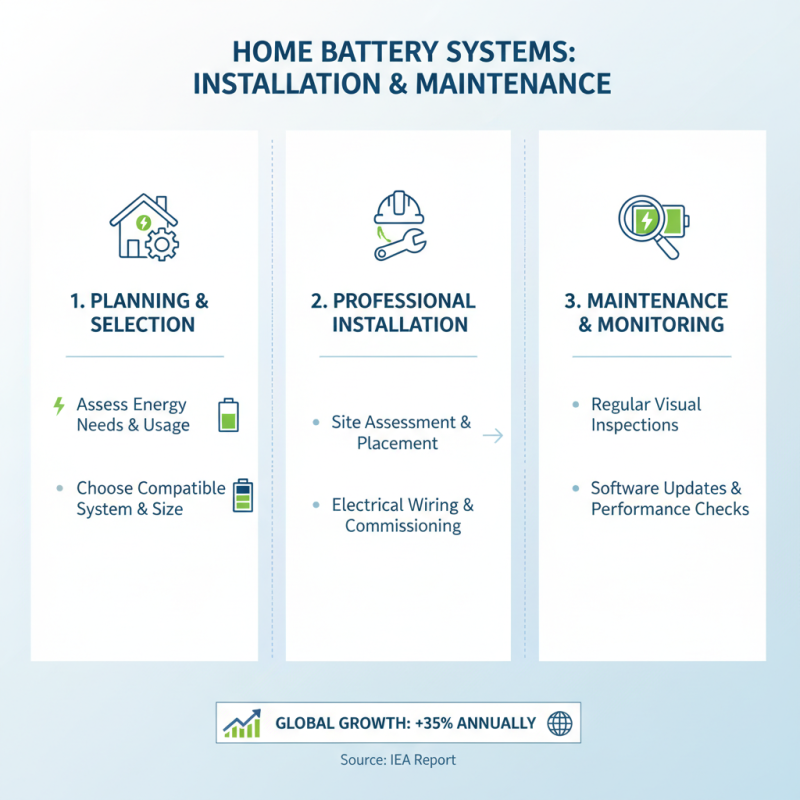
The installation of home battery systems requires careful planning and understanding of your energy needs. A recent report from the International Energy Agency indicates that residential energy storage is growing rapidly, with a projected increase of 35% annually. This growth emphasizes the importance of selecting the right system that fits your home’s configuration and energy consumption patterns.
Maintenance is another crucial aspect. Regular checks can extend the life of your battery. According to a study by the U.S. Department of Energy, optimal performance can reduce energy costs by up to 20%. Homeowners often overlook battery health until issues arise. Simple tasks, such as monitoring temperature and cleaning terminals, can prevent larger problems.
The challenge lies in understanding the technical specifications of the system. It can be daunting for many. DIY solutions may seem appealing, but professional installation guarantees compliance with safety standards. Insufficient installation can lead to reduced efficiency and safety hazards. Engaging certified professionals ensures reliability and peace of mind in your home energy system.
Exploring Cost-Effectiveness and Incentives for Battery Storage
Battery storage solutions are reshaping home energy management. They offer homeowners a way to store electricity for later use. This capability can be crucial, especially when managing energy costs. The initial investment can be daunting, yet incentives often exist to ease the burden. Many regions provide tax credits or rebates that make these systems more affordable. Before purchasing, it’s essential to research these options thoroughly.
Understanding the cost-effectiveness of home battery systems requires a closer look at usage patterns. For instance, homes with higher energy consumption may benefit more. The return on investment can be significant, especially with rising electricity rates. However, not all systems yield the same value. Consumers must compare available solutions carefully. Overspending on a high-capacity unit may not always be wise. Sometimes, less expensive alternatives can meet energy needs effectively.
Additional factors come into play, such as energy independence and environmental impact. Many homeowners are now more conscious of their carbon footprint. Unfortunately, some battery systems still rely on materials that are not environmentally friendly. It’s important to consider the lifecycle and recyclability of these products. The best approach is to strike a balance between cost, efficiency, and sustainability. Engaging with local energy audits can provide personalized insights, helping you make the right choice.