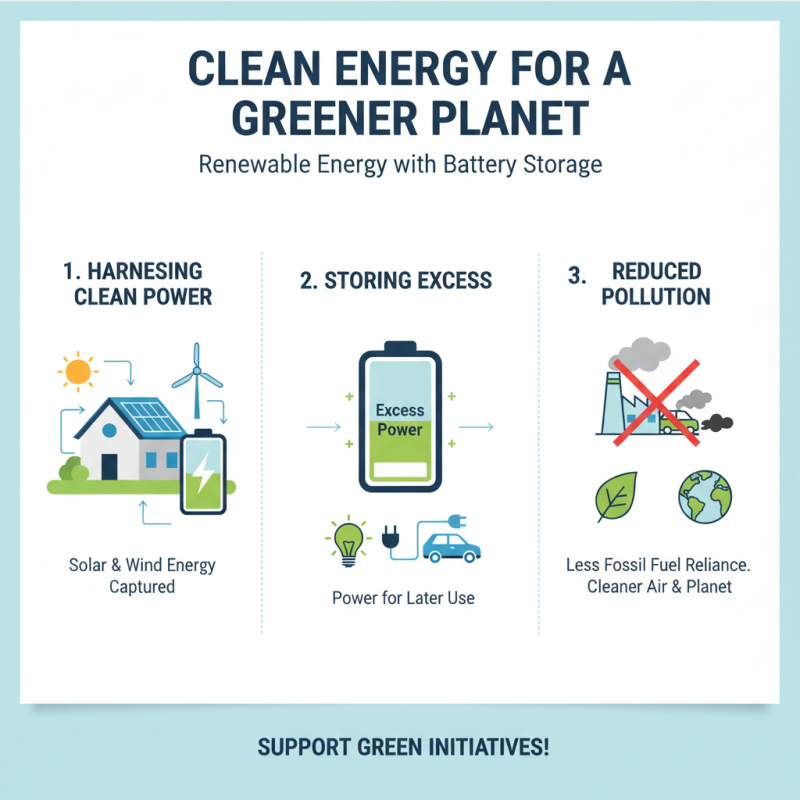
As energy costs rise, homeowners seek solutions to manage expenses. Household Battery Storage offers a practical answer. A study by the U.S. Department of Energy found that battery storage systems can reduce electricity bills by 30% to 50%. This significant savings potential is attracting more homeowners.
In addition to cost savings, Household Battery Storage provides energy independence. Many homeowners face power outages, making battery storage an essential backup. The National Renewable Energy Laboratory reports that over 20% of U.S. households have experienced outages in the past year. This awareness drives interest in reliable storage solutions.
However, challenges exist. Battery technology continues to evolve, leading to concerns over lifespan and costs. Homeowners must weigh these factors carefully. Information on warranty and environmental impact is also vital for informed decisions. Balancing these elements can make the choice of Household Battery Storage both rewarding and complex.
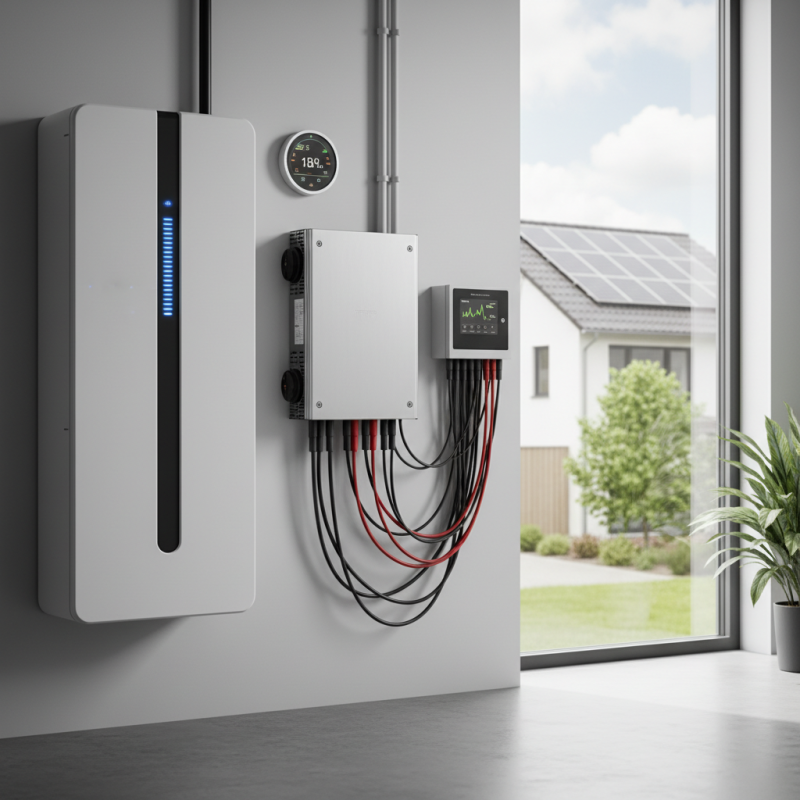
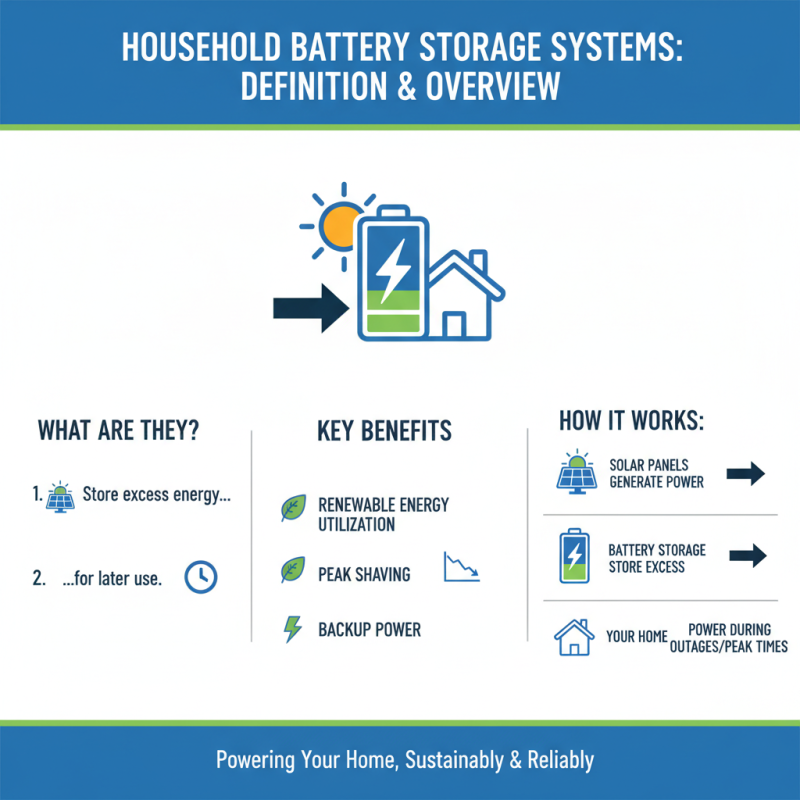
Household battery storage systems are becoming increasingly popular among homeowners. These systems store energy generated from renewable sources. For instance, when solar panels produce excess energy, it can be saved for later use. This stored energy helps power your home during peak hours or outages.
Understanding these systems is key. They consist of batteries, an inverter, and a management system. The batteries hold energy while the inverter converts direct current to alternating current. Maintenance is essential, as older batteries may lose capacity over time. Homeowners must evaluate their energy needs carefully. Each household has different consumption patterns. Finding a solution tailored to specific demands can be tricky.
Battery storage also requires a thoughtful approach to installation. Placement and sizing are crucial for efficiency. Not all systems are user-friendly or integrate well with existing setups. Homeowners should consult professionals. Balancing cost and benefit is vital for a successful installation. The choice can lead to greater energy independence, but careful planning is necessary.
Homeowners are increasingly looking for ways to enhance their energy independence and security. Battery storage systems provide a viable solution. These systems allow homeowners to store excess energy produced from renewable sources like solar panels. This stored energy can then be used during peak hours or during power outages, reducing reliance on the grid.
Moreover, battery storage can offer a sense of security. When storms or natural disasters strike, conventional power sources may fail. Homeowners with battery systems can maintain electricity for essential needs. This resilience feels empowering, yet some might struggle with initial costs or technical knowledge. It can be daunting to understand the best storage system for one's home.
The ability to monitor energy usage also adds to the appeal. Homeowners can adjust their consumption habits, optimizing savings and reducing environmental impact. However, not everyone has the time or resources to track these details. There’s also the challenge of technology evolving rapidly. What seems like a great choice today may be outdated tomorrow. Balancing these aspects is key for homeowners striving for energy independence.
| Benefit | Description | Impact Level |
|---|---|---|
| Energy Independence | Reduces reliance on grid electricity by storing renewable energy. | High |
| Cost Savings | Lower utility bills by using stored energy during peak pricing hours. | Medium |
| Emergency Backup Power | Provides power during outages, ensuring home safety and security. | High |
| Environmental Impact | Supports renewable energy usage, reducing overall carbon footprint. | Medium |
| Grid Stability | Helps stabilize the grid by balancing supply and demand during peak periods. | Medium |
| Increased Property Value | Investing in battery storage can increase home resale value. | Medium |
| Energy Management | Allows homeowners to monitor and control energy usage effectively. | High |
| Incentives and Rebates | Potential access to government incentives that can reduce installation costs. | Medium |
| Flexibility in Energy Use | Choose how and when to use energy, enhancing lifestyle convenience. | Medium |
| Reduced Electricity Bills | Lower energy expenses by relying more on stored energy. | High |
Household battery storage can significantly lower electricity bills. Homeowners can store energy during off-peak hours when rates are cheaper. According to a report from the National Renewable Energy Laboratory, consumers can save up to 30% on their electricity costs. This is especially useful during peak demand hours when rates spike.
Peak demand management is crucial as energy use fluctuates throughout the day. Batteries allow homeowners to draw on stored energy during high-demand periods. A study by the Rocky Mountain Institute indicates that effective demand management can reduce peak loads by 20%. This not only decreases bills but also alleviates stress on the grid.
However, not all homeowners fully utilize this potential. Some may invest in larger systems than necessary or neglect maintenance. This can lead to inefficiencies. Regular monitoring and adjustments are essential for maximizing savings. Realizing the true benefits requires thoughtful consideration and ongoing evaluation.
The integration of battery storage systems in homes offers significant environmental advantages. Homeowners can harness solar and wind energy, storing excess power for later use. This reduces reliance on fossil fuels, which are harmful to our planet. Clean energy sources are abundant, yet many still depend on traditional grid power. This reliance contradicts the green initiatives many want to support.
Using battery systems can also minimize energy wastage. During peak hours, energy demand spikes. With a battery, homeowners can utilize stored energy instead of drawing from the grid. This can help in reducing the strain on power plants. However, some may question the upfront cost and installation process of battery systems. If households focus solely on immediate expenses, the long-term savings and environmental impact may be overlooked.
Also, many fail to realize that energy storage can enhance resilience. In times of power outages, homes equipped with batteries can be self-sufficient. Yet, awareness about these benefits still needs to grow. Many homeowners may hesitate, unsure if this technology fits their lifestyle or budget. It is essential to evaluate these options, weighing both the environmental benefits and personal needs for energy security.
When the power goes out, having household battery storage can be a lifesaver. These systems provide a backup power supply during outages and emergencies. They store energy from solar panels or the grid, allowing you to keep essential appliances running even when electricity is unavailable. Imagine needing to charge your phone or keep your refrigerator operational in a blackout. Battery storage ensures these everyday essentials remain functional.
During extreme weather, outages can last for hours or even days. A reliable battery system can bridge this gap. It allows families to stay comfortable while waiting for power restoration. While the initial investment may seem high, consider the value of peace of mind. You won’t have to scramble for flashlights or rely on candles.
However, not all battery systems are perfect. Some may have limitations on capacity or charging speed. It’s essential to assess your household's needs before choosing one. You might find that the model you selected doesn’t power everything during an extended outage. Reflecting on your energy needs can help avoid thousands of dollars spent on underwhelming performance. Balancing these factors is crucial to truly benefiting from a battery storage system.
This chart illustrates the top benefits of household battery storage for homeowners. The data highlights the various aspects that homeowners find valuable when utilizing battery storage systems, such as backup power supply and energy savings during outages and emergencies.