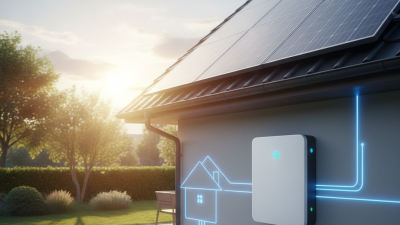
Top Tips for Choosing Solar Storage Solutions for Your Home?
As the shift towards renewable energy accelerates, homeowners are increasingly exploring Solar Storage solutions. According to the U.S. Department of Energy, the residential solar market has experienced a growth rate of over 20% annually in recent years. This trend is partly due to rising electricity costs and the desire for energy independence. However, selecting the right Solar Storage system can be daunting, given the numerous options available.
Homeowners must consider factors such as capacity, efficiency, and cost. The National Renewable Energy Laboratory reports that a well-chosen Solar Storage system can reduce energy bills by up to 70%. Yet, with various technologies on the market, finding the perfect match might require deeper research and expert advice. It’s essential to avoid decisions driven solely by price, as cheaper options may lack long-term reliability.
Exploring Solar Storage is not just about installation. It involves understanding maintenance, compatibility with existing systems, and potential government incentives. Investing in solar storage is a significant financial commitment. Hence, reflecting on one’s energy needs and budget becomes crucial for making informed choices.

Understanding Your Home's Energy Needs
When considering solar storage solutions for your home, understanding your energy needs is crucial. Start by assessing your daily energy consumption. Look at your utility bills to gauge how much power you use each month. This figure helps in selecting a system that can adequately supply your needs.
There are a few tips that can guide you in making the best choice. Analyze whether your energy needs are constant or variable. Variable needs, such as seasonal changes, can affect the storage capacity you require. Consider your peak usage times. Do you consume a lot of energy in the morning or evening? Matching storage solutions to these times can maximize efficiency.
Don’t forget to think about your home's layout. A larger home may require a more robust system. Different areas may have different energy needs based on appliances used. Reflect on these factors and make notes. This will help in refining your goals. Ultimately, ensure your system is capable of meeting both current and future demands.
Types of Solar Storage Solutions Available
When selecting solar storage solutions for your home, understanding the available types is crucial. Battery storage systems dominate the market. According to the U.S. Department of Energy, the residential battery storage capacity grew significantly in 2022, reaching 1.2 gigawatts. Lithium-ion batteries are the most common choice due to their efficiency and lifespan. These batteries typically last between 10 to 15 years, providing a reliable energy reserve.
Beyond lithium-ion, there are other options like lead-acid and saltwater batteries. Lead-acid batteries are cheaper but less efficient and have shorter lifespans. In contrast, saltwater batteries offer safety and environmental benefits, though they are still emerging in the market. Each type has its pros and cons, and it’s essential to assess your energy needs.
Investing in a solar storage solution requires careful consideration. Evaluate your home’s energy consumption and backup needs. Research suggests that homes with battery storage can save 30% on energy bills over time. However, installation costs can be prohibitive. Balancing initial outlay with long-term savings is vital. Always seek professional advice to find a suitable solution tailored to your unique situation.
Factors to Consider When Choosing Solar Batteries
When choosing solar batteries for your home, several factors are crucial. Start by evaluating your energy consumption patterns. Understand how much energy you use daily and consider your peak usage times. This knowledge helps you select a battery that meets your specific needs.
Tip 1: Look for battery capacity. Capacity is measured in kilowatt-hours (kWh). A battery with higher capacity can store more energy, providing you with backup during outages or cloudy days. Think about your worst-case scenario. Will your battery sustain your home during a power outage?
Tip 2: Consider the lifespan and warranty. Most batteries last between five to fifteen years. A longer lifespan usually means more reliability. Check the warranty conditions as they demonstrate the manufacturer’s trust in their product. A solid warranty can be an indicator of quality.
Another critical aspect is the charging and discharging cycles. Some batteries can charge faster but may degrade quicker. Reflect on whether high performance is worth a potentially shorter life. Weigh the benefits and drawbacks of each option to make a solid choice.
Evaluating Cost and Financial Incentives for Solar Storage
When considering solar storage solutions for your home, evaluate the costs involved carefully. The initial investment can be substantial. Energy storage systems can range widely in price based on capacity and technology. Understanding these costs can help you make informed decisions.
Financial incentives can significantly ease the financial burden of solar storage. Government programs often offer rebates or tax credits for homeowners. However, these incentives can vary by location. Research the latest updates to ensure you take advantage of any available support. It's also essential to consider the long-term savings on energy bills. Calculate how much you’ll save over time to balance upfront costs with future savings.
It’s easy to overlook hidden expenses. Installation fees, maintenance costs, and equipment upgrades can add up. Some homeowners may miscalculate the return on investment. Reviewing different scenarios can clarify the best choice. Engaging with local experts can provide tailored insights. They can shed light on community-specific concerns and trends. Ultimately, making a well-informed choice requires careful consideration of costs and available financial incentives.
Maintenance and Lifespan of Solar Storage Systems
When selecting solar storage solutions, understanding their
maintenance and lifespan is crucial. Solar batteries typically last
between 5 to 15 years. Their longevity can heavily depend on usage patterns and
environmental conditions. Proper care can extend this lifespan. Regular checks on connections and
cleaning of terminals are vital.
One key tip is to monitor the charging cycles.
Overcharging or complete discharging can harm the battery. Using a solar management system can
help you track these cycles easily. Additionally, consider the temperature range.
Extreme conditions can negatively impact performance.
Maintenance might seem daunting, but it's manageable. Ensure proper ventilation to prevent overheating.
Check for any signs of wear or corrosion. These factors can signal
a need for intervention. An annual professional inspection is beneficial. It ensures
everything is functioning optimally.