Essential Tips for Choosing the Right Water Pump Casing?
Choosing the right water pump casing is crucial for optimal performance. A suitable casing ensures durability and efficiency in various applications. However, selecting the perfect fit can be challenging. Numerous factors influence your decision, such as material, size, and design.
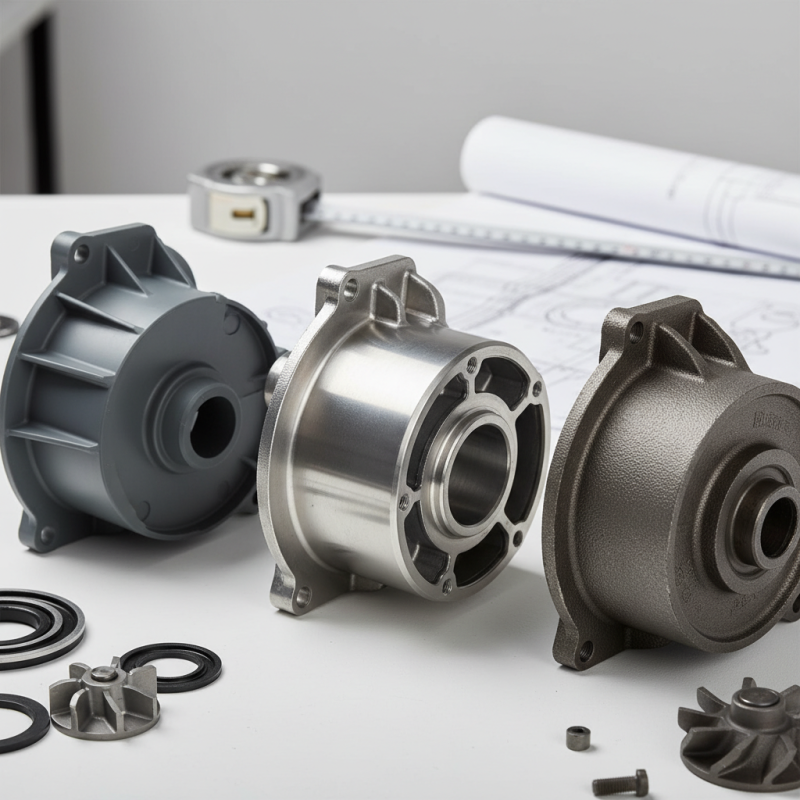
Materials vary greatly. Some options include plastic, stainless steel, and cast iron. Each material has its advantages and pitfalls. For example, plastic casings are lightweight but may not withstand extreme conditions. Stainless steel offers durability but can be heavier and more expensive.
Size is another critical factor. A casing too small will cause inefficiencies. Conversely, one that is too large can waste energy. Take the time to assess your specific needs before making a choice. Reflection is essential here; sometimes our choices may not align with our requirements. Ultimately, understanding the nuances of water pump casing is vital for success.
Understanding Water Pump Casing Materials and Their Properties
Choosing the right water pump casing is crucial for performance and longevity. The material used impacts not only efficiency but also the operational life of the pump. Common materials include cast iron, stainless steel, and thermoplastics. Cast iron is strong and durable, making it ideal for heavy-duty applications. However, it can be prone to rust if not properly maintained. Stainless steel offers excellent corrosion resistance but can be more expensive. Thermoplastics are lightweight and resistant to chemicals, yet they may not withstand high temperatures as effectively.
Tip: Always consider the specific environment where the pump will operate. For corrosive environments, stainless steel may be a better choice, while cast iron suits more general applications.
According to recent industry reports, approximately 60% of pump failures are attributed to corrosion and poor material selection. Selecting the wrong casing can lead to significant downtime and repair costs. Understanding the thermal and chemical properties of materials is key. A poorly selected casing can hinder the pump's efficiency.
Tip: Assess your application’s temperature and chemical exposure. This can save time and money in the long run. Knowing material properties leads to better choices. This knowledge is especially vital for industries dealing with extreme conditions.
Evaluating Pump Casing Sizes for Optimal Performance and Efficiency
Choosing the right size for a water pump casing is crucial for performance. An improperly sized casing can lead to inefficiencies, reducing energy savings significantly. According to industry reports, optimal pump casing size can enhance operational efficiency by up to 25%. This means better flow rates and reduced energy costs.
Tips for selecting the right pump casing size: Always consider the application needs first. If you're unsure, obtain detailed specifications. Too often, users overlook the importance of matching the pump casing with system requirements. For example, selecting a larger casing than needed can lead to cavitation issues, ultimately lowering pump lifespan.
Evaluate the flow rate and pressure requirements. Industry data indicates these factors dictate the right casing dimensions. Stick to the basics: measure and verify. Many operators fail here, leading to mismatched components. If you notice anomalies in pump performance, reassess your casing choice. A small adjustment might yield significant improvements.
Bar Chart: Evaluating Pump Casing Sizes for Optimal Performance
Key Considerations for Corrosion Resistance in Water Pump Casings
Choosing a water pump casing is crucial. Corrosion resistance plays a significant role in this decision. The right materials can mean the difference between durability and frequent replacements. According to the National Association of Corrosion Engineers (NACE), corrosion leads to nearly $300 billion in maintenance costs annually in the U.S. alone.
When selecting a casing, consider materials like stainless steel and certain plastics. These materials offer better resistance against corrosive elements. Research indicates that stainless steel can reduce corrosion rates by up to 50% compared to conventional steel in certain environments. However, not all stainless steel grades are equal. 304 and 316 stainless steels are commonly recommended, but they also vary in performance.
Additionally, environmental factors are significant. For example, a casing exposed to salt water will corrode differently than one in freshwater. Even small changes in chemical composition can impact resistance. Regular maintenance is essential too. Inspections and treatments can prolong lifespan. Ignoring these details may lead to unexpected failures and higher costs down the line. Think critically about all these factors when choosing a pump casing.
Analyzing Hydraulic Performance: Flow Rates and Pressure Ratings
When choosing a water pump casing, analyzing hydraulic performance is crucial. Flow rates play a significant role in determining how well a pump will function. A higher flow rate means that more water is moved in a shorter time. However, not every application needs the same flow rate. Understanding your specific needs is essential. Sometimes less is more.
Pressure ratings are equally important. They indicate the maximum pressure a pump can handle. If you exceed this limit, you risk possible failure. This can lead to costly repairs. Ensure the casing can support the pressure you’ll encounter. It’s often advisable to consult with professionals. They can provide insights specific to your situation, which can prevent costly mistakes.
There can be imperfections in hydraulic performance. For instance, even small changes in the design can affect flow rates and pressure ratings. It’s easy to overlook these details during selection. A regular review of performance metrics can help identify these flaws. Sometimes, a simple adjustment may yield better efficiency. Always be ready to adapt based on real-world results.
Essential Tips for Choosing the Right Water Pump Casing
| Material | Flow Rate (GPM) | Pressure Rating (PSI) | Weight (lbs) | Corrosion Resistance |
| Cast Iron | 15 | 150 | 40 | Medium |
| Stainless Steel | 20 | 300 | 30 | High |
| Plastic | 10 | 100 | 25 | Low |
| Bronze | 30 | 250 | 35 | Medium |
| Aluminum | 25 | 200 | 28 | Medium |
Cost-Benefit Analysis of Different Water Pump Casing Designs
When evaluating different water pump casing designs, a cost-benefit analysis is essential. The design directly impacts efficiency and longevity. Materials vary from plastic to metal, each with its pros and cons. Plastic casings are lightweight, but they may not withstand high pressure. Metal options offer durability but can be heavier and more expensive.
Consider the application of the pump. If it’s for residential use, a cost-effective plastic casing might be sufficient. On the other hand, industrial applications may require sturdier materials. The initial cost is not the only factor to weigh. Maintenance expenses and replacement frequency play significant roles. Sometimes, cheaper options lead to higher long-term costs.
It's important to reflect on your choices. Investing more upfront might save money in the long run. Think about the environment too. Sustainable materials can be a better choice in today’s market. Always analyze the trade-offs before making a decision. You want a pump casing that balances cost and functionality effectively.