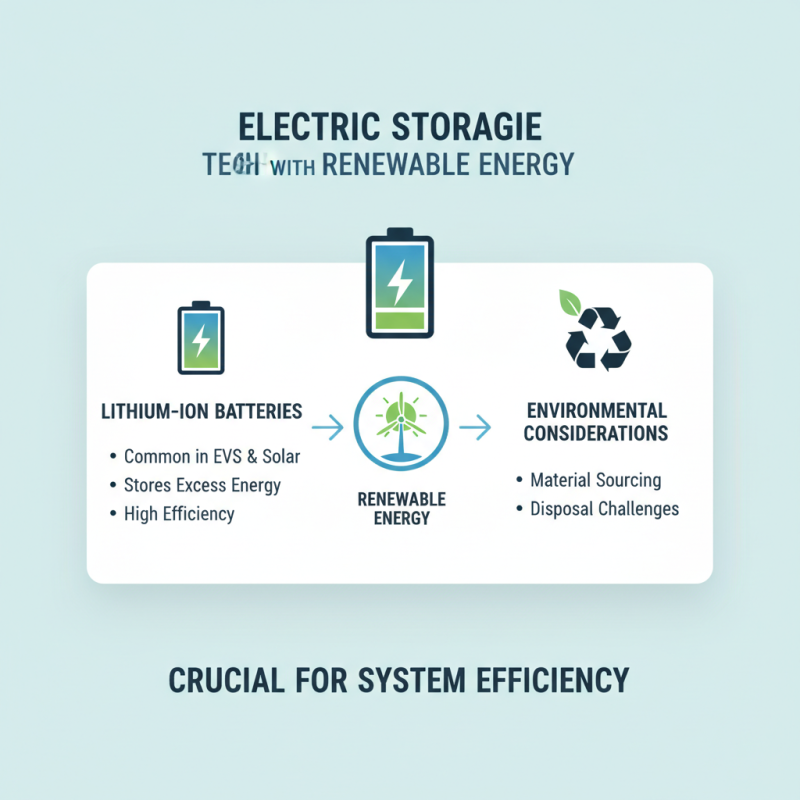
Why is Electric Storage Important for Renewable Energy Solutions?
Electric storage plays a crucial role in integrating renewable energy into our power systems. As we rely more on sources like solar and wind, we face a challenge: how to store this energy. These resources are often intermittent, producing energy only when conditions are favorable. This is where electric storage becomes essential.
Imagine a sunny day when solar panels generate excess energy. Without electric storage, this energy may go to waste. However, with proper storage solutions, we can save that energy for later use. This capability allows for a steady power supply, even during cloudy weather. Additionally, electric storage can help balance supply and demand. It acts as a buffer, ensuring stability in the grid.
There are still challenges to overcome. Current electric storage technologies can be costly or have limited capacity. Investing in advancements is necessary to improve efficiency. We must also consider the environmental impact of these solutions. Reflecting on these issues can lead to better strategies in harnessing renewable energy. Understanding electric storage's importance is vital for a sustainable future.

Importance of Electric Storage in Managing Renewable Energy Supply
Electric storage plays a crucial role in managing renewable energy supply. The energy produced from sources like wind and solar is often variable. For instance, wind power generation can fluctuate significantly. According to the International Energy Agency (IEA), renewable power generation could reach 80% of the global electricity supply by 2050. However, without effective storage solutions, this number may not translate into stable energy availability.
Battery systems provide a means to smooth out these fluctuations. They store excess energy during peak production times. This stored energy can then be dispatched during low generation periods. A recent report from BloombergNEF suggests that global battery capacity could increase to 2,000 GWh by 2030. This surge in capacity is vital, as it helps integrate renewable energy into existing grids more effectively.
Investment in electric storage technologies is imperative. However, challenges remain. The current technologies still face issues regarding cost and lifespan. For example, lithium-ion batteries, while popular, degrade over time, limiting their effectiveness. Continuous innovation and funding are necessary. The energy transition needs these improvements to ensure a reliable renewable supply system. Without efficient storage, the promise of a cleaner energy future may falter.
Benefits of Electric Storage for Grid Stability and Flexibility
Electric storage plays a crucial role in enhancing grid stability. It allows for balancing supply and demand seamlessly. When renewable energy sources like solar and wind produce excess energy, storage systems can capture that surplus. This ensures that energy is available during peak demand times. In a way, it acts as a buffer for fluctuations in generation.
The flexibility offered by electric storage is also noteworthy. It can provide power during outages or unexpected drops in generation. This is vital in maintaining a reliable energy supply for homes and businesses. However, relying solely on renewable sources can create challenges. Energy production can be inconsistent, and current storage technologies may not always meet demand. The evolution of these technologies is crucial for overcoming such hurdles.
While electric storage holds promise, it is not without its drawbacks. There can be limitations in storage capacity and efficiency. Some storage methods may have environmental impacts that need consideration. As we explore more solutions, it's essential to reflect on both the benefits and the complexities of integrating electric storage into our energy systems.
Why is Electric Storage Important for Renewable Energy Solutions? - Benefits of Electric Storage for Grid Stability and Flexibility
| Benefit |
Description |
Impact on Grid Stability |
Impact on Grid Flexibility |
| Peak Shaving |
Reduces the demand for electricity during peak times. |
Helps maintain grid balance during high demand. |
Enables more renewable integration by managing peak loads. |
| Frequency Regulation |
Balances supply and demand to stabilize frequency. |
Critical for maintaining power quality and reliability. |
Increases grid responsiveness to fluctuations. |
| Energy Time-shifting |
Stores excess energy for later use when demand is higher. |
Supports a balanced load on the grid. |
Enhances the deployment of energy from renewable sources. |
| Reliability Enhancement |
Provides backup power during outages. |
Improves overall reliability of the grid. |
Facilitates on-demand availability of power supply. |
Challenges and Limitations of Current Electric Storage Solutions
Electric storage plays a crucial role in leveraging renewable energy sources. However, several challenges affect its effectiveness. One major hurdle is capacity. Current storage systems can only hold a limited amount of energy. This limitation often leads to energy waste during peak production times.
Another challenge lies in efficiency. Many storage solutions suffer from significant energy losses. These losses can diminish the overall benefits of renewable energy. Moreover, certain technologies require rare materials. Sourcing these materials raises ethical and environmental concerns.
Maintenance is another issue. Many systems need regular upkeep, which can be costly. Battery life can also be short, creating additional waste. All these factors hint at the need for improvement. Reliable electric storage remains a goal, but achieving it requires innovation and a commitment to sustainability.
Future Trends in Electric Storage for Supporting Renewable Energy Growth
Electric storage plays a critical role in enhancing renewable energy usage.
As renewable sources like solar and wind power fluctuate, effective storage solutions become essential.
According to the International Energy Agency (IEA), global renewable electricity generation could grow by 80% by 2030,
but storage innovations must keep pace to manage this surge.
Future trends indicate that lithium-ion batteries will dominate the market, but alternatives are emerging.
Flow batteries, for instance, offer longer cycle life and can be scaled easily.
A recent report estimates that the global battery storage market could reach $300 billion by 2030, driven by decreasing costs and increased demand.
However, challenges remain. Current storage technologies have limitations, such as efficiency losses and environmental concerns.
As we transition to renewables, the focus must shift towards sustainable practices.
Efforts should explore better recycling systems and the development of materials that minimize environmental impact.
Addressing these concerns is crucial for a successful energy future.