House Battery Storage Tips for Homeowners to Save Energy?
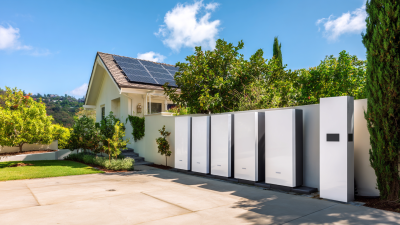
As homeowners seek ways to reduce energy costs, House Battery Storage emerges as a valuable solution. This technology allows you to store excess energy generated from renewable sources like solar panels. When the sun isn’t shining, you can still power your home efficiently.
However, it's essential to understand that not all systems are created equal. Choosing the right battery capacity and type requires careful consideration. Each household has unique energy needs. Some may find that a smaller system suffices, while others might require a more extensive setup.
Additionally, installation can be tricky. Improper setup can lead to wasted potential. Regular maintenance is crucial to ensure optimal performance. Reflecting on your House Battery Storage options can thus save money and contribute to a sustainable future.
Understanding House Battery Storage and Its Benefits
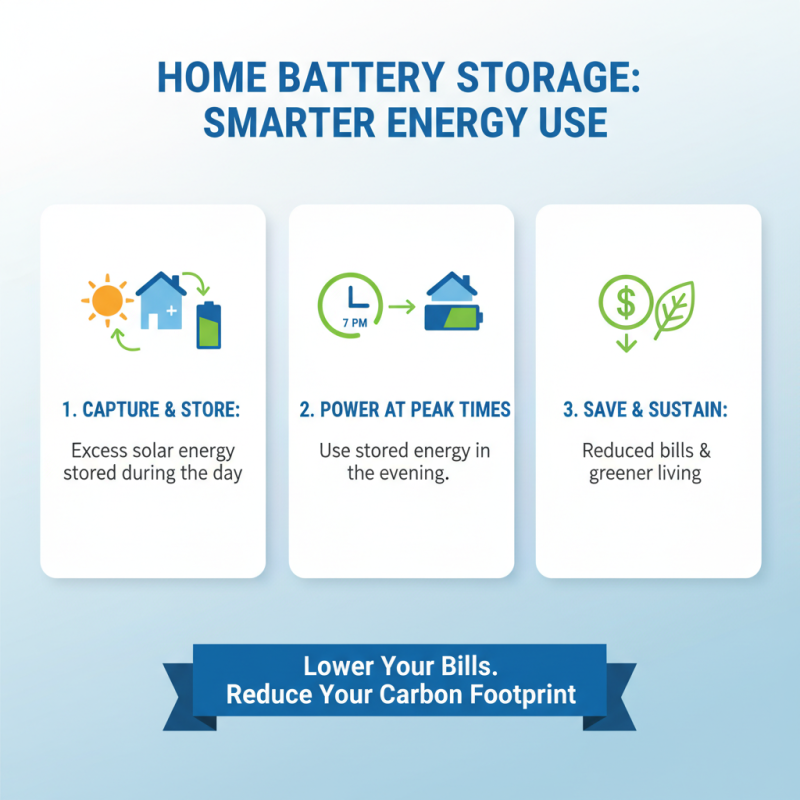
House battery storage systems offer homeowners a fantastic way to save energy. By storing excess energy generated during the day, homeowners can use it when the energy demand is high, especially in the evenings. This technology not only helps reduce utility costs but also contributes to a greener environment.
One effective tip is to optimize your solar panel use. If you have solar panels, charge your battery during sunny days. This practice ensures you maximize the energy harnessed from the sun. You might find that the energy usage changes over time. Track it closely and adjust your charging habits accordingly.
Another important aspect is understanding battery lifespan. It is crucial to maintain battery health to ensure longevity. Overcharging or deep discharging can diminish performance. Consider monitoring the battery’s state of charge regularly. Sometimes, these simple checks can reveal issues that need immediate attention. This reflection can prevent costly replacements down the line.
Types of Battery Storage Systems for Home Use
Battery storage systems have become increasingly popular for homeowners looking to save energy. There are several types available, each with unique features. One common option is lithium-ion batteries. They are known for their efficiency and longer lifespan. However, they can be expensive and may require complex installations.
Lead-acid batteries are an alternative. They are less costly but usually have a shorter lifespan. These batteries can be bulky and heavy, making installation more challenging. Homeowners need to weigh the pros and cons of each type. Nickel-based batteries often provide a middle ground, but their performance can vary based on the manufacturer.
Choosing the right battery storage system often involves some trial and error. Many homeowners may overlook energy needs or costs in the initial decision, leading to dissatisfaction later. Monitoring usage patterns is essential to optimizing energy savings. Engaging in regular maintenance is another area to consider for prolonging the battery’s life.
House Battery Storage Tips for Homeowners to Save Energy
| Battery Type |
Capacity (kWh) |
Life Span (Years) |
Cost ($) |
Best Use Case |
| Lithium-ion |
10 |
10 |
7,000 |
Home backup power |
| Lead-acid |
6 |
3-5 |
2,000 |
Off-grid systems |
| Flow Batteries |
20 |
10-15 |
15,000 |
Long-term energy storage |
| Nickel-based |
8 |
5-10 |
4,500 |
High-temperature environments |
Best Practices for Maximizing Energy Savings
House battery storage systems can be a game-changer for homeowners aiming to save energy. Implementing these systems correctly can lead to significant savings on energy bills. According to a report from the National Renewable Energy Laboratory, homes with battery storage can reduce their energy costs by up to 30% by strategically using stored energy during peak hours. It's crucial to understand local peak hours to maximize savings effectively.
One effective practice is to charge the battery during off-peak hours. Off-peak rates are often much lower. You could charge your battery overnight when energy demand is low. Conversely, using that stored energy during the day when rates peak can yield considerable savings. Many homeowners underestimate the value of timing in energy usage. Also, integrating smart technology can optimize your battery’s cycle and prevent energy wastage.
However, some homeowners may overlook the importance of regular maintenance. Neglecting battery health can lead to inefficient performance. A study by the Energy Storage Association revealed that poorly maintained batteries can lose up to 40% of their capacity over time. Monitoring battery performance can help ensure it retains its efficiency. Regular checks can help you pinpoint issues early and save money in the long run. Always remember, maximizing energy savings requires ongoing effort and attention.
Maintenance Tips for Home Battery Systems
Maintaining a home battery system is crucial for maximizing energy savings. Regular checks ensure everything runs smoothly. Start by monitoring the battery’s charge levels. Aim to keep them within the recommended range. Overcharging can lead to degradation, while deep discharges can shorten lifespan.
Inspect the physical condition regularly. Look for any cracks or leaks. Clean the terminals to prevent corrosion. Dust and grime can build up over time. Even small maintenance tasks can significantly enhance performance.
Consider the temperature where the battery is stored. Extreme heat or cold can affect efficiency. Aim for a stable, moderate environment. Remember to adjust settings according to seasonal changes. Reflect on these aspects to achieve better energy management. It’s not just about installation; it’s also about care.
House Battery Storage Capacity and Energy Savings
This chart displays the potential energy savings homeowners can achieve based on different levels of usage with house battery storage systems. As usage increases, the percentage of energy savings also tends to increase, illustrating the importance of optimizing battery systems for energy efficiency.
Choosing the Right Size and Capacity for Your Needs
Choosing the right size and capacity for home battery storage is crucial. Homeowners must assess their energy needs accurately. According to the U.S. Department of Energy, the average American household uses about 877 kWh per month. Understanding this number helps determine how much energy storage is necessary.
A common recommendation is to size the battery system to cover at least a day's worth of electricity. For example, if your home uses 30 kWh daily, a 30 kWh battery system is ideal. But, many factors complicate this. Seasonal changes in energy use, home size, and personal habits all play a role. Homeowners often underestimate their peak consumption during summer or winter months.
Capacity is another critical factor. The depth of discharge (DoD) matters. Most batteries have a DoD of 80-90%. This means only a fraction of the battery can be effectively used without degrading the system. A recent study indicated that many homeowners over-purchase capacity, leading to wasted investment. Understanding your usage patterns can help refine your choice and avoid excess costs.