10 Essential Tips for Extending Battery Life and Performance
In today's technology-driven world, efficient battery performance is a crucial concern for consumers and manufacturers alike. With an increasing reliance on portable devices, data from industry research indicates that battery life significantly impacts user satisfaction and device longevity. According to recent studies, over 60% of smartphone users express frustration when their devices do not meet their daily battery needs, highlighting the necessity for practical strategies to extend battery life. As energy storage solutions continue to evolve, understanding techniques to optimize batteries like Bess Battery becomes essential for enhancing user experience.
The demand for longer-lasting batteries is not just a consumer preference but a technological challenge that researchers are actively addressing. Recent reports suggest that the global market for battery storage systems, including advanced solutions such as Bess Battery, is projected to grow substantially, with estimates indicating a surge of over 25% annually through the next decade. This growth underscores the importance of maximizing battery efficiency in a landscape heavily reliant on sustainable energy solutions. With this in mind, we present 10 essential tips for extending battery life and performance, ensuring your devices keep pace with your lifestyle while minimizing environmental impact.

Importance of Battery Chemistry in Performance Enhancement
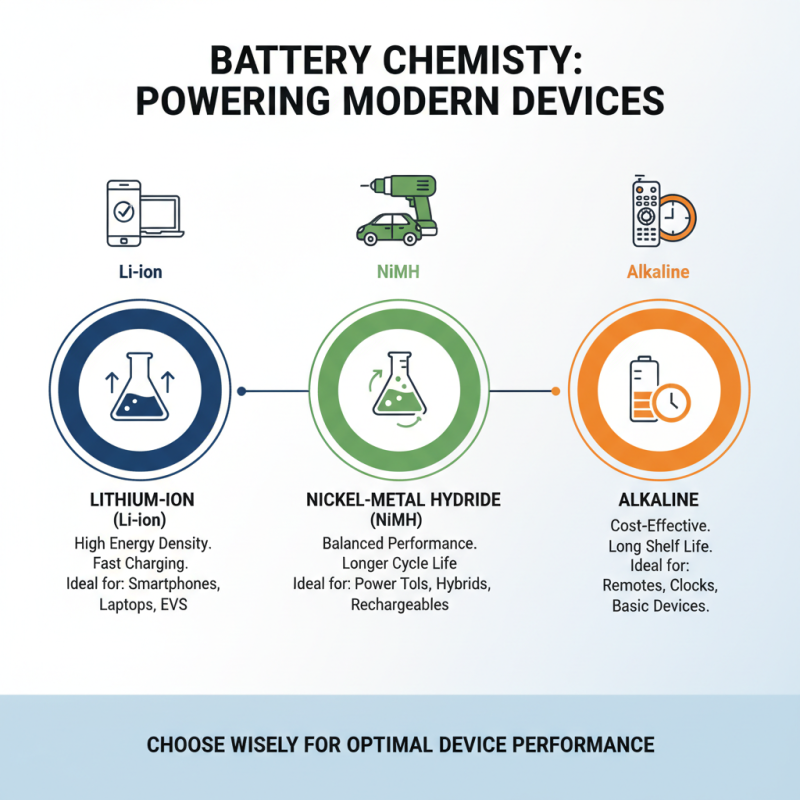
Battery chemistry plays a critical role in determining the performance and longevity of modern electronic devices. Different types of batteries, such as lithium-ion, nickel-metal hydride, and alkaline, each have distinct chemical properties that influence their energy density, charging speed, and discharge rates. Understanding these differences can help users select the right battery type for their specific needs, thereby enhancing the performance of their devices. For instance, lithium-ion batteries are known for their high energy density, meaning they can store more energy in a smaller space, making them ideal for smartphones and laptops.
Moreover, the chemistry of a battery affects its thermal management and overall efficiency. For example, temperature fluctuations can significantly impact battery performance, leading to reduced capacity and lifespan. By optimizing how devices manage heat and charge cycles, users can effectively extend the life of their batteries. This involves implementing proper charging habits, avoiding extreme temperatures, and ensuring good ventilation during operation. By prioritizing battery chemistry in maintenance practices, users can achieve not only better performance but also a more sustainable lifespan for their devices.
Optimal Charging Practices for Lithium-ion Batteries
To ensure the longevity and efficiency of lithium-ion batteries, optimal charging practices are crucial. One of the fundamental principles is to avoid letting the battery drop to extremely low levels before recharging. Ideally, it's best to keep the charge level between 20% and 80%. Frequently deep discharging the battery can lead to a reduction in its overall capacity over time, ultimately affecting performance. Regularly topping up the battery when it hits this range allows for a healthier cycle and extends its lifespan.
Another important aspect of charging lithium-ion batteries is to avoid excessive heat, which can be detrimental. Charging in a cooler environment is advisable, as high temperatures can cause stress and degradation to the battery. Moreover, it’s essential to use the appropriate charger that matches the battery's specifications. Fast charging is convenient, but over-relying on this method can generate additional heat that impacts battery health. By adhering to these charging practices, users can significantly enhance the performance and longevity of their lithium-ion batteries.
10 Essential Tips for Extending Battery Life and Performance
Minimizing Resource Demands on Mobile Applications
In today's fast-paced mobile environment, optimizing the performance and battery life of applications is paramount. By minimizing resource demands, you can ensure a smoother user experience while extending the longevity of your device's battery. One effective tip is to limit background activity. Mobile applications often continue to run processes in the background, consuming valuable energy. Developers can design apps to pause or reduce these activities when they are not actively in use, which can significantly cut down battery drain.
Another important aspect is to optimize data usage. Applications that require constant internet connectivity can put a hefty strain on your battery. Implementing features that allow users to cache data and reduce refresh rates can lead to notable improvements in energy efficiency. Additionally, simplifying graphics and reducing animation can make a significant difference. Heavy graphics processing often leads to increased CPU usage, which in turn drains battery life. By using simpler designs and animations sparingly, developers can ensure that applications are less demanding on resources without compromising user engagement.
Incorporating these strategies not only enhances the performance of your mobile applications but also fosters a more sustainable user experience. Keeping resource demands in check allows users to enjoy their apps longer without the constant worry of battery life, enhancing overall satisfaction.
Impact of Temperature on Battery Longevity and Efficiency
Temperature plays a critical role in determining the longevity and efficiency of batteries. Generally, batteries operate best at room temperature, typically around 20 to 25 degrees Celsius. When exposed to high temperatures, chemical reactions within the battery can become accelerated, leading to increased wear and tear on the internal components. This can shorten the battery's overall lifespan and diminish its capacity to hold a charge. For example, prolonged exposure to temperatures exceeding 35 degrees Celsius can result in significant degradation, causing the battery to fail sooner than expected.
Conversely, low temperatures can also impose challenges on battery performance. At reduced temperatures, the chemical processes necessary for energy production slow down, resulting in diminished efficiency and shorter usage times. Users may notice that their devices experience a rapid drop in battery life when operated in cold environments. Furthermore, frequent exposure to extreme temperatures, whether hot or cold, can create stress on the battery, leading to physical damage over time.
To optimize battery life and performance, it’s essential to maintain devices within a moderate temperature range and avoid extremes wherever possible. Proper storage and care can make a significant difference in maximizing a battery's effectiveness and longevity.
Regular Maintenance Checks to Avoid Common Battery Degradation Issues
Regular maintenance checks are crucial for prolonging battery life and optimizing performance. According to a report by the International Energy Agency, poor maintenance can reduce battery efficiency by up to 30%. Simple practices, such as regularly inspecting connections and cleaning terminals, can prevent corrosion and ensure optimal power transfer. Additionally, ensuring that the battery is securely mounted reduces vibrations that can lead to internal damage.
Monitoring the battery's state of charge (SoC) and state of health (SoH) can also significantly mitigate common degradation issues. A study conducted by the National Renewable Energy Laboratory found that maintaining the battery charge between 20% and 80% can enhance its lifespan. Furthermore, using a multimeter to check voltage levels periodically can help identify potential problems before they become severe, giving users the chance to address issues before they lead to irreversible damage. By adopting these proactive measures, battery users can effectively combat degradation and improve their overall energy storage performance.