Top Energy Storage Solutions to Optimize Your Home and Business Efficiency
As the world increasingly shifts towards sustainable energy sources, Energy Storage Solutions have become vital for both residential and commercial applications. According to the International Energy Agency (IEA), the global energy storage market is expected to grow from 10 gigawatt-hours (GWh) in 2020 to over 200 GWh by 2030, driven by the need for reliable power systems and the integration of renewable energy sources. This burgeoning market underscores the urgency to adopt innovative energy management strategies that can enhance efficiency, reduce costs, and support environmental goals.
Experts in the field, such as Dr. Emma Green, a renowned energy analyst, emphasize the transformative potential of these technologies. She remarked, “Energy Storage Solutions not only empower users to maximize their energy efficiency but also pave the way for a more resilient and sustainable energy future.” By implementing advanced storage systems, homes and businesses can optimize their energy use, mitigate peak demand charges, and ensure a continuous power supply, particularly in regions vulnerable to outages.
In summary, the evolving landscape of Energy Storage Solutions presents an unprecedented opportunity for optimizing energy management. As technological advancements continue to reduce costs and improve efficiency, understanding and harnessing these solutions will be critical for anyone aiming to enhance their operational resilience and sustainability.
Overview of Energy Storage Solutions for Homes and Businesses
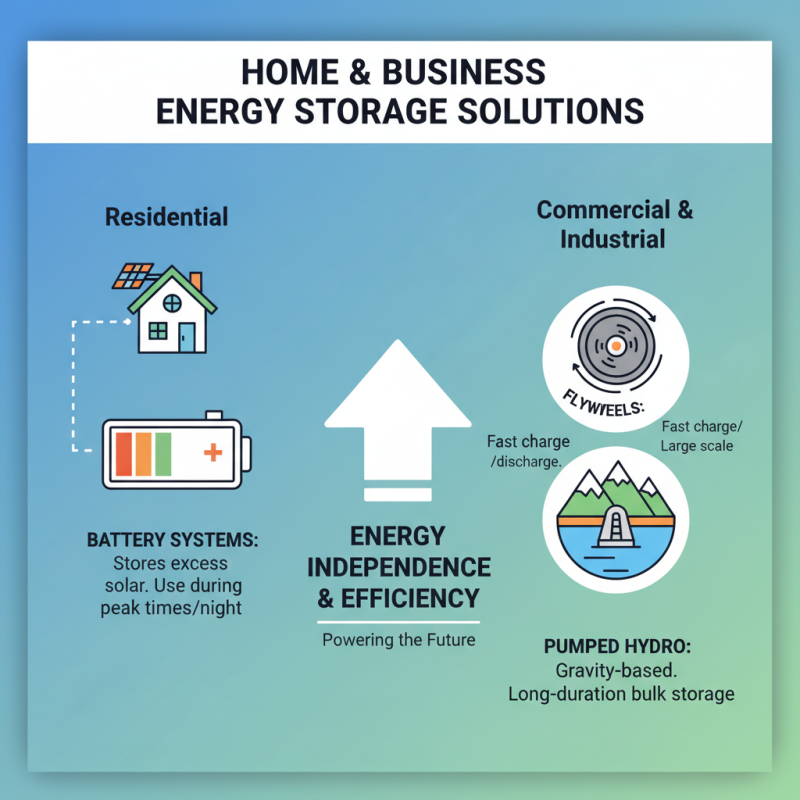
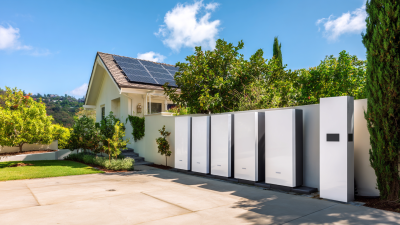
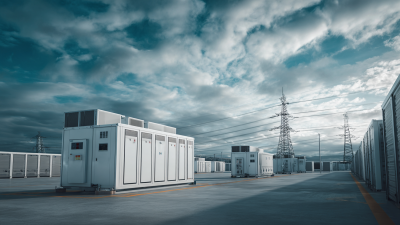
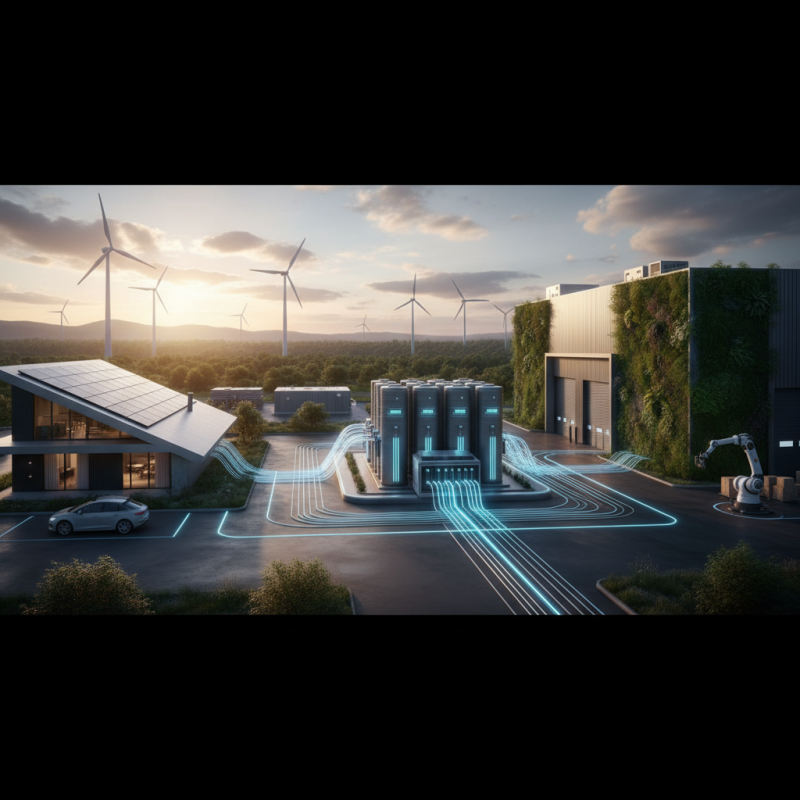
When considering energy storage solutions for homes and businesses, there are several options that can enhance efficiency and provide energy independence. One popular choice is battery storage systems, which can store excess energy generated from renewable sources like solar panels. This ensures that energy is available for use during peak demand periods or when the renewable sources are not producing energy. In addition, advanced technologies such as flywheels and pumped hydro storage are gaining traction for their ability to charge and discharge energy quickly, making them suitable for larger commercial applications.
Tips: For homeowners looking to maximize efficiency, consider installing a smart energy management system that monitors and optimizes energy consumption in conjunction with your storage solution. This can lead to significant savings and more effective energy usage.
Additionally, businesses can benefit from integrating energy storage with their existing infrastructure. By assessing energy usage patterns and incorporating peak shaving strategies, companies can lower their electricity costs and improve overall sustainability. Customizing your energy storage approach based on specific needs can also enhance operational efficiency and reduce reliance on the grid.
Tips: Evaluate your energy consumption trends regularly to make informed decisions on your energy storage investments. This proactive approach can help in selecting the right technology and scaling it effectively for future energy demands.
Types of Energy Storage Technologies: Batteries, Flywheels, and More
As energy demand continues to rise, implementing efficient energy storage solutions is essential for homes and businesses. Among the various technologies available, batteries and flywheels stand out as two of the most popular options.
Batteries, particularly lithium-ion varieties, have become a go-to choice for energy storage due to their high efficiency, scalability, and decreasing costs. They allow users to store surplus energy generated from renewable sources, enabling power use during peak hours or outages, thus improving overall energy management.
On the other hand, flywheels represent an innovative approach to energy storage. By converting electrical energy into kinetic energy and storing it in a rotating mass, flywheels can release energy rapidly, making them ideal for applications that require quick bursts of power. Their durability and ability to cycle thousands of times without degradation give them an edge in certain industrial settings. Additionally, newer technologies such as compressed air energy storage and gravity-based systems are also gaining traction, expanding the possibilities for efficient energy management in both residential and commercial settings.
Each technology offers unique benefits, allowing users to tailor their energy strategies to suit specific needs and improve overall efficiency.
Benefits of Implementing Energy Storage Systems
Energy storage systems (ESS) play a pivotal role in enhancing the efficiency of both homes and businesses. By enabling the capture and storage of excess energy—particularly from renewable sources like solar and wind—these systems help reduce dependence on the grid, lower energy costs, and improve energy reliability.
According to the International Energy Agency (IEA), energy storage capacity is projected to increase from approximately 180 GW in 2020 to nearly 500 GW by 2030, underscoring the growing recognition of its benefits in energy management.
Implementing energy storage solutions also results in significant environmental advantages. The U.S. Department of Energy reports that strategic deployment of battery systems can mitigate greenhouse gas emissions by reducing the need for fossil fuel-based energy generation during peak demand.
Additionally, energy storage systems can enhance the resilience of energy infrastructure, making homes and businesses less vulnerable to outages. This is particularly important in regions prone to extreme weather events, where the ability to maintain power supply can safeguard operations and protect against costly disruptions.
By optimizing energy usage and contributing to sustainability goals, energy storage systems represent a crucial investment for future-proofing operations in an evolving energy landscape.
Factors to Consider When Choosing Energy Storage Solutions
When selecting energy storage solutions for optimizing efficiency in home and business environments, there are several critical factors to consider. Firstly, capacity and power ratings are essential metrics. Capacity, measured in kilowatt-hours (kWh), indicates how much energy can be stored, while power rating, defined in kilowatts (kW), signifies how quickly that energy can be released. According to a recent report from the International Energy Agency (IEA), the global market for energy storage is expected to reach 125 gigawatts (GW) by 2030, highlighting the increasing reliance on robust storage solutions tailored to meet diverse needs.
Another significant consideration is the lifespan and cycle stability of the storage system. A study by BloombergNEF revealed that lithium-ion batteries, one of the most prevalent energy storage technologies, typically have a lifecycle of around 5,000 to 7,000 charge cycles before their capacity declines considerably. This longevity ensures that users can benefit from reduced replacement costs and more extended periods of energy efficiency. Additionally, it is prudent to evaluate the efficiency rates—often expressed as round-trip efficiency—indicating how much energy is retained during the charging and discharging process. High-efficiency systems, often exceeding 90%, ensure optimal usage and reduced energy wastage, making them ideal candidates for both residential and commercial applications.
Future Trends in Energy Storage and Their Impact on Efficiency
As energy storage technology advances, it holds the potential to significantly enhance efficiency for both homes and businesses. Future trends indicate a shift towards more sustainable and intelligent energy storage solutions, with innovations such as solid-state batteries and advanced flow batteries coming to the forefront. These technologies promise greater energy density, longer lifespan, and enhanced safety, making them ideal for residential and commercial use. This evolution will enable users to store renewable energy when it is abundant, thereby optimizing consumption patterns and reducing reliance on the grid.
Moreover, the integration of smart technology into energy storage systems is expected to revolutionize how we manage energy. With the rise of the Internet of Things (IoT), energy storage solutions will become more responsive and efficient, allowing users to monitor and control energy usage in real-time. This capability can lead to significant savings and improved energy management strategies, as users can shift energy consumption to off-peak hours or capitalize on lower energy prices. As these trends evolve, the impact of energy storage on overall efficiency will not only transform individual energy practices but also contribute to a more resilient and sustainable energy landscape.
Top Energy Storage Solutions to Optimize Your Home and Business Efficiency
| Energy Storage Solution |
Technology Type |
Capacity (kWh) |
Efficiency (%) |
Use Case |
| Lithium-Ion Battery |
Chemical |
10-40 |
90-95 |
Residential, Commercial |
| Lead Acid Battery |
Chemical |
5-30 |
70-85 |
Backup Power, Off-Grid |
| Flow Battery |
Chemical |
50-1000 |
75-90 |
Grid Storage, Renewable Integration |
| Supercapacitor |
Physical |
1-10 |
95-98 |
Short-Term Energy Storage |
| Compressed Air Energy Storage (CAES) |
Mechanical |
100-1000 |
70-90 |
Large Scale Grid Storage |