Why Energy Storage Devices Are Essential for a Sustainable Future
As we navigate the challenges posed by climate change and the depletion of natural resources, the quest for sustainable energy solutions has never been more urgent. Central to this pursuit is the concept of Energy Storage Devices, which play a pivotal role in the transition to renewable energy systems. These devices not only enhance the efficiency of energy generation and consumption but also provide a reliable means of managing the inherent intermittency associated with renewable sources like solar and wind power.
By storing excess energy during peak production times and releasing it during periods of high demand, Energy Storage Devices contribute significantly to grid stability and energy security. They enable a more flexible and responsive energy infrastructure, which is crucial as we increasingly shift toward decentralized energy systems that prioritize sustainability. In this context, understanding the significance of Energy Storage Devices becomes essential for realizing a future where clean energy is accessible, affordable, and dependable for all.
As we delve into the multifaceted advantages and innovations in Energy Storage Devices, it is clear that they are not merely supplementary tools; they are foundational elements that will define the next generation of sustainable energy strategies. The integration of these technologies into our energy landscape promises to empower societies worldwide, fostering resilience and mitigating the impacts of climate change in the process.
The Role of Energy Storage in Renewable Energy Integration
Energy storage devices play a critical role in the successful integration of renewable energy sources into our power systems. As the International Renewable Energy Agency (IRENA) reports, global energy storage capacity is expected to reach 1,000 gigawatts by 2030, reinforcing the need for innovative solutions to manage fluctuations in supply and demand. These technologies help bridge the gap between the intermittent nature of renewable sources, such as solar and wind, and the constant demand for electricity, ensuring a reliable and resilient energy supply.
Additionally, a report from Bloomberg New Energy Finance highlights that the cost of lithium-ion batteries, a key technology in energy storage, has fallen by 89% since 2010. This significant reduction in cost is driving widespread adoption of energy storage systems, facilitating the use of more renewable resources in our energy mix. With advancements in both technology and economics, energy storage is not just an enhancement to renewable energy integration—it is becoming a necessity for achieving a sustainable and carbon-neutral future.
Energy Storage Devices: Key to Renewable Energy Integration
This chart illustrates the percentage contribution of various energy storage technologies to renewable energy integration. As the world shifts towards sustainable energy sources, the importance of effective energy storage solutions becomes increasingly apparent.
Types of Energy Storage Devices and Their Applications
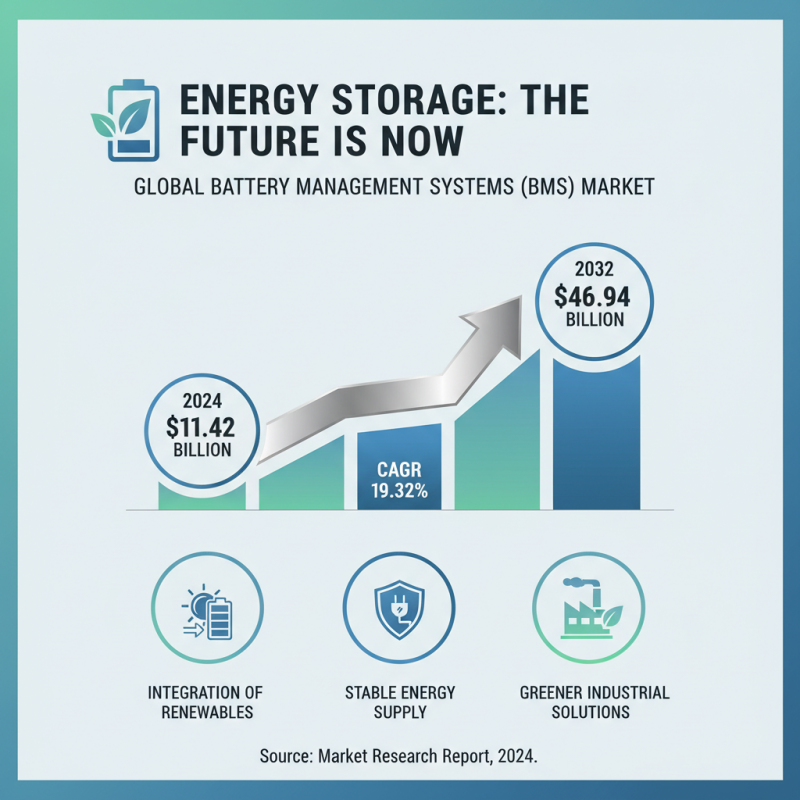
Energy storage devices are becoming increasingly crucial for achieving sustainability in energy consumption. The global battery management systems (BMS) market is a prime example of this growth, projected to reach a value of $46.94 billion by 2032, expanding from $11.42 billion in 2024, with a remarkable compound annual growth rate (CAGR) of 19.32%. As industries strive towards greener solutions, the demand for efficient energy storage is set to rise significantly, ensuring stable energy supply and enabling better integration of renewable sources.
In addition to BMS, the outdoor energy storage market is also flourishing. As of 2023, the market was valued at $1.94 billion and is expected to grow from $2.23 billion in 2024 to an impressive $5.64 billion by 2031. This rapid growth illustrates the increasing reliance on portable and outdoor energy solutions, driven by consumer demand for independence from traditional power sources. Similarly, the portable power station market is projected to surge from $603.06 million in 2024 to $1.09964 billion by 2032, indicating a shift towards versatile energy storage options capable of meeting diverse consumer needs.
Benefits of Energy Storage for Grid Stability and Reliability
Energy storage devices play a pivotal role in enhancing grid stability and reliability in our transition toward a sustainable future. According to the International Energy Agency (IEA), integrating energy storage can reduce grid disruptions by more than 30%. These devices not only help balance supply and demand but also provide vital backup during peak usage times, ensuring that energy supply remains consistent and reliable. For instance, research by the Electric Power Research Institute (EPRI) indicates that incorporating battery storage systems can reduce the need for new power plants, thereby saving utilities and consumers significant costs.
Tips: When considering energy storage solutions, it's crucial to assess the total lifecycle costs, including installation and maintenance. This understanding can help identify the most economically viable options.
Moreover, energy storage contributes to the integration of renewable energy sources, further enhancing grid reliability. A report from the U.S. Department of Energy highlights that with appropriate storage solutions, up to 80% of the U.S. electricity demand could be met through renewables by 2050. By smoothing out the intermittent nature of sources like solar and wind, energy storage provides a buffer that promotes a stable energy supply, ultimately leading to greater grid resilience and efficiency.
Tips: Explore local incentives for energy storage systems, as many regions offer financial assistance that can significantly lower the initial investment.
Challenges Facing Energy Storage Technology Development
Energy storage technology plays a pivotal role in the transition to a sustainable future, yet it faces several significant challenges that hinder its development.
According to the International Renewable Energy Agency (IRENA), energy storage systems are crucial for balancing supply and demand, but current technologies are limited in efficiency and scalability.
One major challenge is the high cost of advanced batteries, which can account for over 50% of the total system price. The levelized cost of storage (LCOS) for lithium-ion batteries remains substantially higher than traditional energy sources, making it economically challenging for large-scale adoption.
Another pressing issue is the environmental impact and resource supply chain of energy storage materials. A report from the U.S. Department of Energy highlights that the extraction and processing of raw materials like lithium and cobalt pose significant sustainability concerns.
The reliance on these finite resources can lead to geopolitical tensions and market volatility. Moreover, the recycling of battery materials is still in its infancy, with only about 5% of lithium-ion batteries being recycled effectively today. Addressing these challenges is critical for the widespread deployment of energy storage technologies that will underpin a sustainable energy future.
Future Trends in Energy Storage for Sustainable Development
As we explore future trends in energy storage for sustainable development, several innovations are on the horizon that promise to enhance our transition to renewable energy systems. One notable trend is the shift from lithium-ion batteries to sodium-based alternatives, particularly in Japan, which is positioning itself for a more resilient energy storage strategy. This pivot reflects a growing recognition of the need for sustainable materials and processes that align with global carbon neutrality goals.
Thermal energy storage (TES) technologies also represent a significant advancement in managing energy efficiency. By enabling the capture and reuse of thermal energy, TES provides a flexible approach to integrating renewables into our energy grid, addressing one of the major challenges of intermittent power generation. Moreover, the rising prominence of green hydrogen production is set to reshape energy systems, offering a sustainable solution to further reduce reliance on fossil fuels, particularly in regions like Algeria where such initiatives are being actively developed. Overall, these trends signify a concerted effort to innovate and implement energy storage solutions that are vital for a sustainable future.