How to Use Battery Energy Storage Effectively?
Battery Energy Storage is transforming the way we manage energy. Experts like Dr. Emily Zhang, a prominent figure in the field, emphasize its potential. She once stated, "The future of energy relies on effective storage solutions."
In many urban settings, the demand for reliable power is rising. Battery Energy Storage systems can bridge the gap between supply and demand. They play a vital role in integrating renewable energy into the grid. However, many users struggle with optimizing these systems. Understanding how to use Battery Energy Storage effectively is crucial.
Failure to adequately manage these technologies can lead to inefficiencies. In some cases, consumers overlook basic maintenance or optimal charging habits. This negligence may result in underperformance. As the industry evolves, continuous learning and adaptation are essential. Improving our approach to Battery Energy Storage not only enhances performance but also supports sustainability goals.

Understanding Battery Energy Storage Systems: Key Components and Types
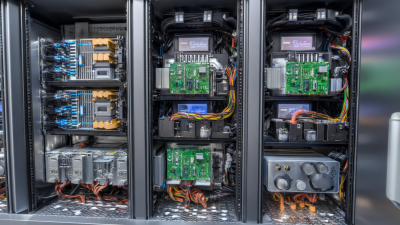
Battery energy storage systems (BESS) play a crucial role in modern energy management. They consist of key components like batteries, inverters, and control units. Understanding the types of batteries is essential. Lithium-ion batteries are popular for their efficiency. However, lead-acid batteries remain common for specific applications. Each type has its pros and cons.
Tips: Choose the right battery based on specific needs. Consider capacity, lifespan, and cost. Don’t overlook maintenance. A poorly maintained battery can lead to unexpected failures.
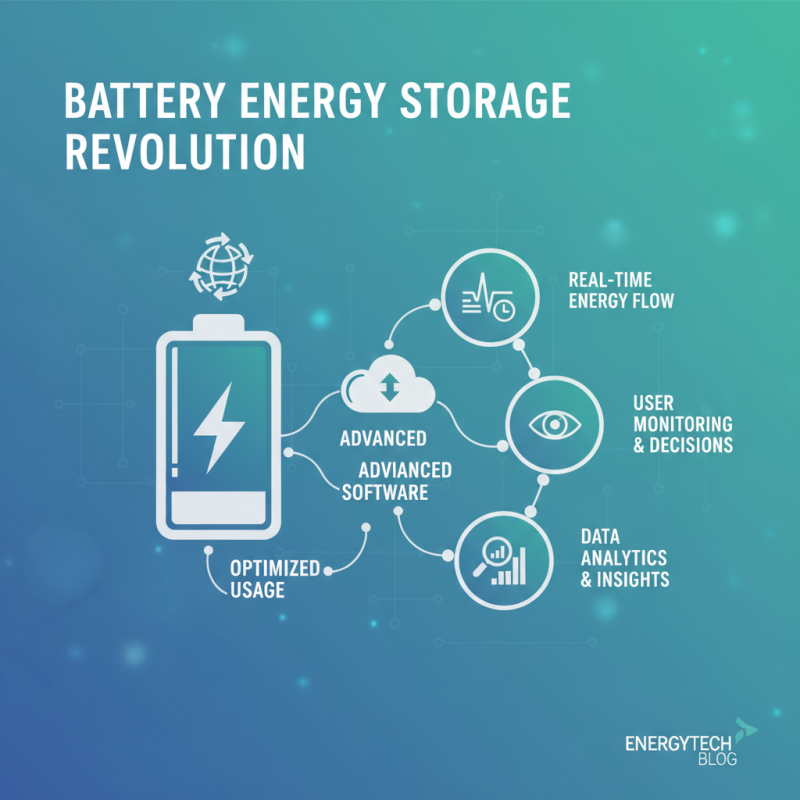
Managing a battery system requires monitoring. Users should track performance regularly. Temperature and charge cycles significantly affect battery life. Overcharging or deep discharging can damage batteries.
Tips: Always follow charging recommendations. Regularly check for signs of wear. Update the system software if applicable. Adjust settings based on usage patterns. Reflect on the long-term benefits of energy storage versus initial costs.
Assessing Capacity: Selecting the Right Battery Size for Your Application
Choosing the right battery size is crucial. Assessing your energy needs helps prevent underperformance. According to a recent industry report, optimized battery sizing can improve efficiency by up to 30%. Misjudging capacity often leads to wasted resources. A larger battery may seem beneficial, but it can incur higher costs and maintenance.
Consider your usage patterns. If you need backup power during peak hours, a smaller battery might suffice. However, if your application demands high energy for longer periods, a larger capacity is necessary. Data suggests that approximately 40% of installations are misconfigured. This often stems from inadequate assessment of load requirements.
Utilize tools to calculate energy needs. Pay attention to daily consumption and possible future demands. A detailed analysis can highlight the right solution. Remember, over-sizing and under-sizing both have consequences. The right balance leads to an effective energy storage strategy. Analyze your specific case thoroughly before proceeding.
Optimizing Charge and Discharge Cycles for Maximum Efficiency
To maximize the efficiency of battery energy storage, optimizing charge and discharge cycles is key. Research shows that the cost of lithium-ion batteries has declined by 89% since 2010. This decline has made energy storage systems more accessible, yet many users underutilize these technologies. For effective optimization, understanding the patterns of energy demand is essential.
The ideal charging time often depends on peak versus off-peak rates. Data indicates that charging during off-peak hours can reduce costs by up to 50%. However, users must assess their specific energy usage patterns. Discharging during peak hours can lead to significant savings, but it requires good timing. Some users miss this window and end up losing potential benefits.
Furthermore, thermal management is crucial. High temperatures can lead to decreased lifespan and performance. It’s critical to monitor battery conditions closely. Ignoring these factors can result in reduced efficiency. Experimenting with different charge cycles, while tolerating some inefficiencies, can lead to better long-term performance. Adjustments may require time, but the potential returns are substantial. Efficient use of energy storage is not just about technology; it's also about strategic planning and adaptability.
Evaluating Financial Incentives and ROI for Battery Storage Investments
Battery energy storage systems (BESS) are increasingly recognized for their financial potential. According to a recent report by the International Energy Agency, the global battery storage market could grow from $5 billion in 2020 to over $20 billion by 2025. This rapid growth is driving many investors to evaluate the return on investment (ROI) associated with battery storage solutions.
Developing a financial model is crucial. This involves assessing initial costs, ongoing maintenance, and potential revenue from energy sales. The ROI varies significantly across different regions. For example, a U.S. study revealed that certain states deliver ROI as high as 15% when using incentives. These incentives can include tax credits and rebates which lower initial investment costs.
Tips: Consider the long-term savings from peak shaving. An analysis showed that businesses cutting peak demand by 20% could save thousands annually. Also, ensure you factor in potential grid service payments. These can enhance overall returns.
While the financial incentives are compelling, implementation can be daunting. Installation and technology costs can fluctuate. A recent survey indicated that nearly 30% of battery projects exceed their budget. Always reassess the key financial aspects and remember, accurate forecasting is essential for success.
Financial Incentives and ROI for Battery Storage Investments