How to Choose the Right Home Energy Storage System?
Choosing the right Home Energy Storage system can be challenging. With numerous options available, making an informed decision is crucial. Industry expert Dr. Emily Carter once said, "A good home energy storage system should fit your lifestyle and energy needs."
The Home Energy Storage market is rapidly evolving. Systems vary in capacity, efficiency, and price. Some homeowners might overlook their actual energy requirements. This oversight can lead to purchasing a system that doesn't meet their needs.
Moreover, installation costs and maintenance must be considered. It’s easy to get drawn in by flashy advertisements. However, understanding the specifics of each system helps in making a better choice. Assessing your energy consumption patterns is essential. Doing this can ensure that you pick a product that maximizes your investment while aligning with your energy goals.
Understanding Home Energy Storage Systems and Their Benefits
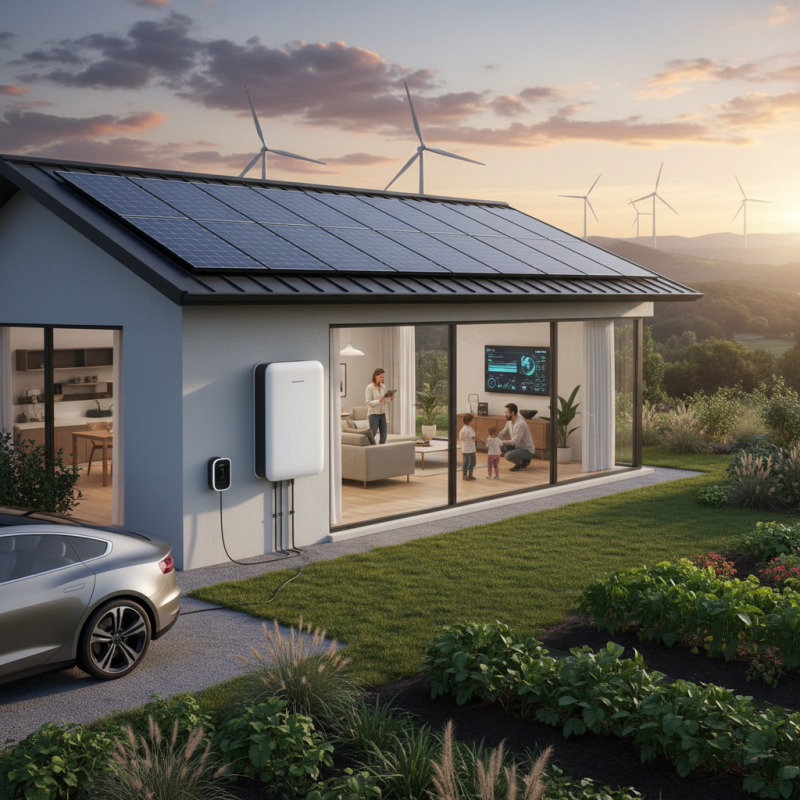
Home energy storage systems (HESS) offer a way to manage energy use effectively. They store excess energy generated from renewable sources, like solar panels. This energy can be used during peak hours, reducing electricity bills. Understanding these benefits is crucial for homeowners.
Choosing the right system requires assessing your needs. Consider factors like energy consumption patterns and the size of your home. Some systems may not suit larger households. Also, think about your budget. Installation costs can vary significantly. Sometimes, lower-priced systems compromise efficiency.
Look into additional features as well. Some systems offer smart technology integration. This capability can help you monitor energy usage closely. Yet, these systems often require a higher investment. Not every feature may be worth the cost. As you navigate these choices, reflect on your long-term energy goals.
Home Energy Storage System Capacity Comparison
Comparing Different Types of Home Energy Storage Solutions
When considering home energy storage solutions, it's crucial to compare the options available. There are three main types:
lithium-ion batteries,
lead-acid batteries,
and flow batteries. Each type has distinct features and benefits. According to a report by Bloomberg New Energy Finance, lithium-ion batteries made up 90% of the global energy storage market in 2023 due to their efficiency and longevity. However, their higher initial cost can be a barrier for many homeowners.
Lead-acid batteries are cheaper upfront but have a shorter lifespan. They typically last only 3 to 5 years. In contrast, lithium-ion batteries can last 10 years or more. Flow batteries present a less common but interesting alternative. They allow for more extensive energy storage but come with complexities in maintenance and installation. Data shows that only 2% of the market utilized flow technology last year, highlighting a need for better consumer awareness.
Choosing the right system also depends on specific needs. Homeowners should consider energy usage patterns, available budget, and future energy goals. It is not uncommon for people to overestimate their power needs, leading to inefficient storage solutions. A careful analysis can prevent excess spending and ensure long-term satisfaction. Energy storage is an evolving field, and options will continue to change. The challenge lies in staying informed and making the best choice for your home.
Evaluating System Capacity and Efficiency for Your Needs
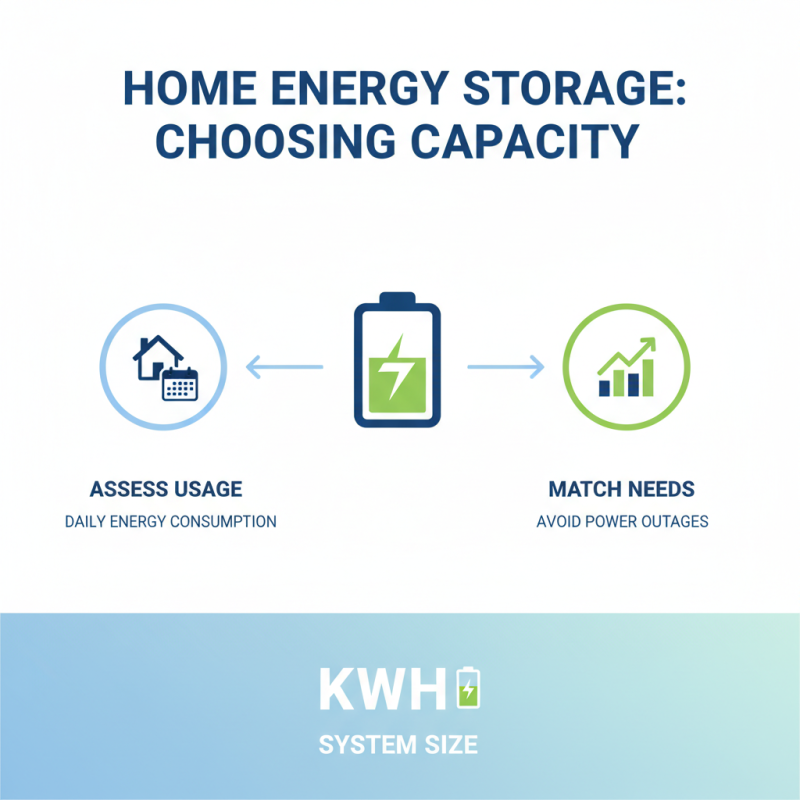
When choosing a home energy storage system, capacity and efficiency are key factors. Capacity refers to how much energy the system can store. It's measured in kilowatt-hours (kWh). A larger capacity is often better for homes with high energy needs. For instance, a household with electric heating and multiple appliances may require a system with at least 10 kWh capacity. On the other hand, small homes with minimal energy use might suffice with 5 kWh.
Efficiency impacts how well the system stores and releases energy. A higher efficiency rating means less energy is lost during the process. Look for systems that offer at least 85% efficiency. This can translate to significant savings on electricity bills. Think about your usage patterns. If you often use energy in bursts, you may need a different setup compared to flat, consistent use.
Assessing your consumption habits is crucial. It's easy to underestimate nightly or seasonal energy needs. Reflect on past utility bills; they provide valuable insight. This analysis can guide you towards a system that meets your lifestyle. Balancing capacity and efficiency will help you make a practical choice for energy independence.
How to Choose the Right Home Energy Storage System? - Evaluating System Capacity and Efficiency for Your Needs
| Dimension |
Unit |
Value |
Importance |
| Storage Capacity |
kWh |
10-15 |
High |
| Efficiency Rate |
% |
80-95 |
High |
| Cycle Life |
Cycles |
3000-5000 |
Medium |
| Weight |
kg |
100-200 |
Low |
| Warranty Period |
Years |
10 |
High |
Installation and Maintenance Considerations for Energy Storage Systems
When considering an energy storage system, installation and maintenance are crucial. Proper setup can determine system efficiency. It involves choosing an ideal location that avoids extreme temperatures and moisture. The room should be well-ventilated to prevent overheating. Allow sufficient space around the unit for air circulation. This is essential for long-term performance.
Regular maintenance is also vital. Check for any signs of wear and tear. Ensure connections and wiring are secure. Some people forget to clean the system; dust buildup can reduce efficiency. Also, monitoring battery performance is key. It can reveal potential issues early. Creating a checklist for maintenance tasks can be helpful.
Reflect on the choices made during installation, too. Were the right safety measures in place? Did you consider future upgrades? These questions can guide better decisions down the line. Remember, an efficient energy storage system requires ongoing attention. Treating it as an investment will pay off in the long run.