How to Choose the Best Battery Energy Storage System for You?
As global energy demands rise, the importance of a reliable Battery Energy Storage System (BESS) becomes crucial. According to the International Renewable Energy Agency, energy storage capacity is expected to grow significantly, reaching 1,900 GWh by 2040. This surge highlights the need for effective solutions.
When choosing a BESS, several factors come into play. Your energy needs, budget, and system compatibility are key. The market offers various options, from lithium-ion to flow batteries, each with distinct advantages and drawbacks. A recent report from BloombergNEF indicates that lithium-ion batteries dominate, accounting for over 90% of installed capacity.
However, it's essential to reflect on the limitations of current technologies. Limited lifespan, high costs, and recycling issues pose challenges. The right choice requires careful consideration of these aspects. A well-informed decision will lead to greater efficiency and sustainability in your energy use.

Understanding Your Energy Storage Needs
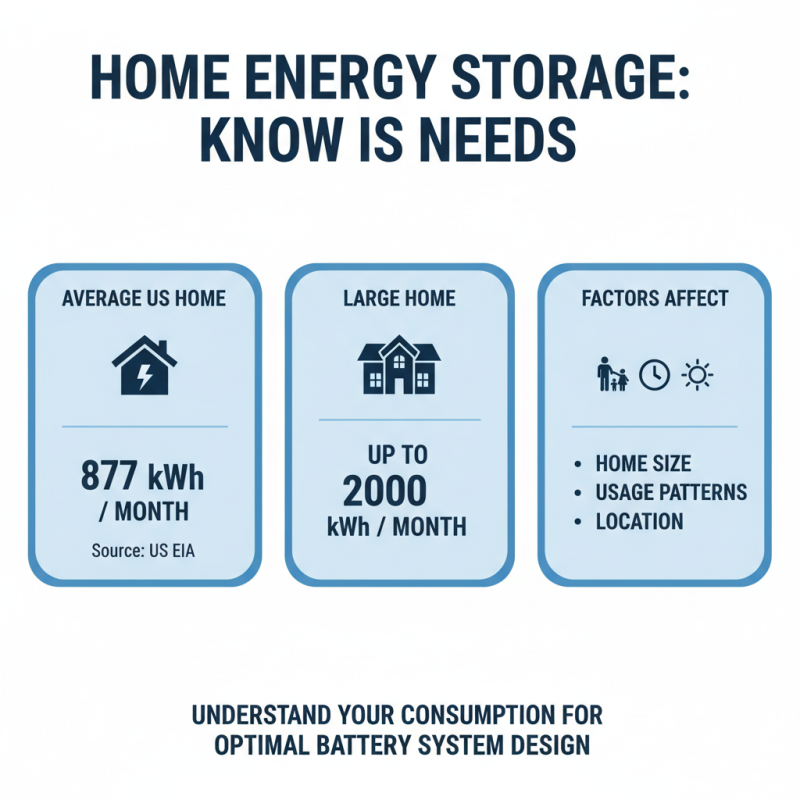
When considering a battery energy storage system, it's crucial to understand your specific energy needs. Different households have varying energy demands depending on their size, usage patterns, and location. According to a report by the U.S. Energy Information Administration, residential electricity use averages around 877 kWh per month. However, this can significantly fluctuate. For example, larger homes can consume up to 2,000 kWh monthly.
Identify your peak usage periods. Knowing when your energy consumption spikes can guide your system choice. Some users may only need storage for renewable sources like solar. Others might want backup for outages. Not all systems fit every need. For instance, a standard lithium-ion battery may suit most homes. However, those with higher demands might require more capable solutions, such as flow batteries. These can handle larger loads but come at a higher cost.
Storage size is another critical factor. The typical home may require a storage capacity of around 10 kWh to support essential appliances during a blackout. Yet, what if your needs change? You might expand your home or add electric vehicles. Flexibility is essential in your energy strategy. Regular reassessment of your energy needs can prevent underperformance of your chosen system. Ultimately, aligning your choices with precise usage data leads to better efficiency and satisfaction.
Types of Battery Energy Storage Systems Available
When considering battery energy storage systems, understanding the types available is crucial. Lead-acid batteries are among the most common. They are affordable and easy to find. However, they have a short lifespan and lower energy density. They may not be the best option for long-term use.
Lithium-ion batteries are popular for their efficiency. They charge quickly and last longer than lead-acid. Their compact size is an advantage for smaller installations. Yet, they can be expensive. Many buyers find themselves weighing initial costs against long-term benefits.
Flow batteries provide another option. They are suitable for larger-scale energy storage. They can run for long periods but require more space. Their complexity can be daunting for some users. Each system has its pros and cons. It's vital to match your needs and goals with the right type. Carefully consider your lifestyle, energy consumption, and budget.
Battery Energy Storage Systems: Capacity Comparison
Key Factors to Consider When Choosing a System
When choosing a battery energy storage system, several key factors come into play. Capacity is crucial. It determines how much energy you can store and use later. According to the International Energy Agency (IEA), the average household consumes about 30 kWh per day. A system that meets or exceeds this capacity is essential for efficiency.
Consider the discharge rate as well. This rate indicates how quickly stored energy can be released. If the discharge rate is too low, it could lead to power shortages during peak use. Real-world applications show systems with a discharge rate of 5 kW or more generally satisfy most residential needs.
Cost remains a significant factor. Pricing can vary widely based on technology and capacity. The U.S. Department of Energy reported that battery costs have dropped by nearly 80% over the past decade. Yet, the upfront investment can still be daunting for many. Evaluating long-term savings versus initial expenses is critical.
Lastly, assess the system's lifespan and warranty. Many systems last around 10 to 15 years. A reliable warranty can provide peace of mind but remember, not all warranties cover all aspects. Understanding what is included and excluded is vital. Making a choice about battery storage requires careful consideration. Lacking attention to these factors may lead to unexpected challenges.
How to Choose the Best Battery Energy Storage System for You?
| Factor |
Description |
Importance Level |
| Capacity |
The amount of energy the battery can store, measured in kWh. |
High |
| Power Output |
The maximum rate of energy transfer, measured in kW, that the system can deliver. |
High |
| Cycle Life |
The number of complete charge and discharge cycles the battery can undergo before its capacity drops significantly. |
Medium |
| Cost |
The total installation and equipment cost of the system, including any maintenance fees. |
High |
| Type of Battery Chemistry |
Different battery types (Li-ion, Lead-acid, etc.) have varied performance, safety, and lifespan characteristics. |
Medium |
| Warranty |
The length and terms of the warranty offered on the battery system, indicating reliability and longevity. |
High |
| Efficiency |
The percentage of energy that can be used as opposed to the energy lost during charging and discharging. |
Medium |
Evaluating Performance and Efficiency Metrics
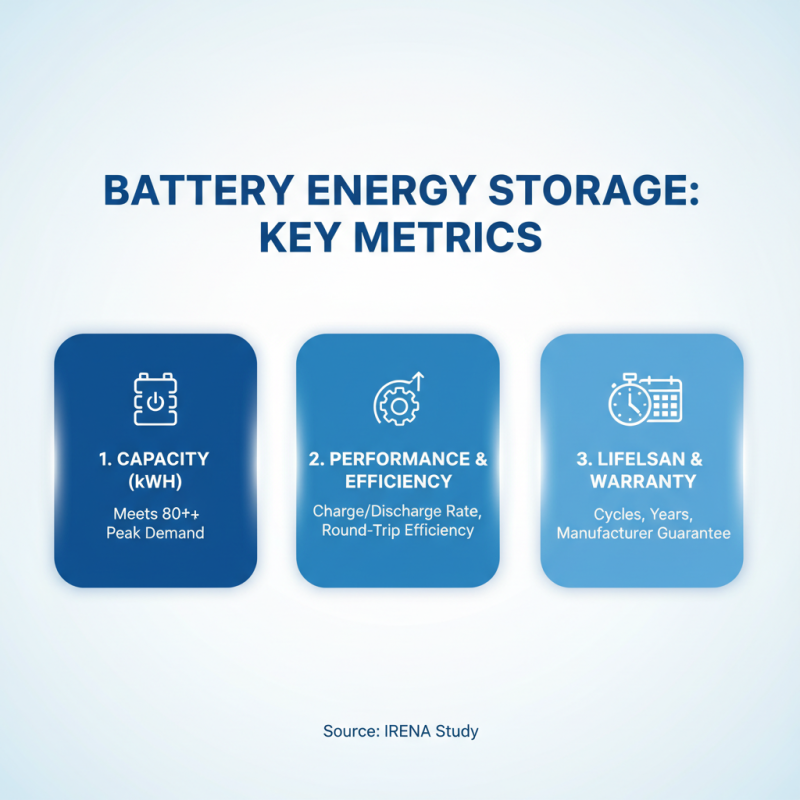
Choosing the right battery energy storage system requires careful consideration of performance and efficiency metrics. The capacity is crucial. Many systems rate their energy storage in kilowatt-hours (kWh), indicating how much energy can be stored. A study by the International Renewable Energy Agency shows that optimal systems should have a capacity that meets at least 80% of peak energy demands.
Efficiency is another critical factor. Round-trip efficiency measures how much energy is used versus what is stored. Most modern systems show efficiencies ranging from 70% to 90%. A report from the U.S. Department of Energy highlights how higher efficiency can lower operational costs, making it vital for long-term investment. However, many systems struggle to maintain high efficiency under varying temperature conditions, which can lead to performance drops.
Additionally, cycle life plays a significant role. This metric indicates the number of charge and discharge cycles the battery can endure before its capacity degrades to 80%. Newer lithium-ion technologies often promise over 5,000 cycles. Yet, actual performance can differ substantially based on factors such as depth of discharge. Being aware of these variables can prevent unexpected costs and inefficiencies down the line.
Cost Analysis and Return on Investment Considerations
When evaluating battery energy storage systems, cost analysis is crucial. The initial investment can range widely. According to a recent industry report, the average cost of battery systems is between $400 to $700 per kilowatt-hour. This price can fluctuate based on technology and installation specifics. Your location and local incentives may also impact costs.
Return on investment (ROI) varies significantly among users. For residential systems, the payback period might be around six to twelve years. However, this is contingent on energy savings, local electricity rates, and available rebates. Businesses might enjoy a quicker ROI, often in three to five years. It's imperative to consider long-term benefits like grid independence and sustainability.
Many overlook ongoing maintenance costs, which can add to the overall expenses. These costs are not always straightforward. A battery's lifespan often caps at 10 to 15 years, which means replacement must be factored in. This cycle can complicate financial calculations. Users should reflect on these elements thoroughly before making decisions.