How to Choose the Right Home Battery Storage for Your Energy Needs
As more homeowners explore sustainable energy solutions, the importance of selecting the right Home Battery Storage system cannot be understated. With the rise of renewable energy sources, the ability to store excess power not only enhances energy efficiency but also provides a reliable backup during outages. According to Dr. Emily Chen, a leading expert in energy storage systems, "Investing in the right Home Battery Storage is crucial for maximizing the benefits of solar energy and ensuring your home remains powered even in the most challenging times."
This evolving technology allows homeowners to take control of their energy consumption and costs, making informed decisions that align with their unique energy needs. From size and capacity to installation and compatibility with existing systems, understanding the various options available can greatly enhance the efficiency and reliability of one’s energy setup. As we delve deeper into the intricacies of Home Battery Storage systems, it becomes evident that choosing the right system is not just a financial investment, but also a commitment to a more sustainable, self-sufficient lifestyle.

Factors to Consider When Choosing Home Battery Storage Options
When considering home battery storage options, several key factors come into play to ensure you choose a system tailored to your energy needs.
First and foremost, assess your energy consumption patterns. Understanding how much energy your household uses on a daily basis can help determine the capacity of the battery you require. Look at your utility bills to get a clear picture of your average consumption, and consider any
future changes, such as adding solar panels or acquiring electric vehicles, that might impact your energy needs.
Another important factor is the technical specifications of the battery system itself, including energy capacity, discharge rates, and efficiency ratings. Battery efficiency is crucial as it affects how much of the stored energy you can actually use.
Additionally, consider the lifespan of the battery and warranty offered by the manufacturer. A longer lifespan typically indicates a more reliable system.
Finally, evaluate the integration capabilities of the battery storage with your existing energy systems. Compatibility with solar energy systems or smart home technology can enhance your energy independence and optimize performance.
By carefully weighing these considerations, you can make a more informed decision on the right home battery storage solution for your household.
Understanding Your Energy Consumption Patterns and Needs
Understanding your energy consumption patterns is crucial when selecting the right home battery storage. Start by analyzing your daily electricity usage. Break down your consumption into different categories such as lighting, heating, cooling, appliances, and electronics. Utilize energy monitoring devices or software to track your usage over time. This data provides insight into peak usage periods, helping you determine the capacity you need from a battery storage system. By identifying which appliances consume the most energy, you can prioritize which devices you want powered during outages or when using stored energy.
Additionally, consider your energy needs in different circumstances, such as during peak demand hours or prolonged outages. Evaluate whether you intend to use the battery for emergency backup, demand charge reduction, or maximizing the use of renewable energy sources like solar panels. Each of these scenarios will dictate different storage capacities and types of batteries. By aligning your energy consumption patterns with your specific needs, you can make an informed decision that optimizes your home energy management strategy, ensuring you have the right battery storage solution tailored to your lifestyle and consumption habits.
Comparing Different Home Battery Technologies and Their Efficiency Ratings
When evaluating home battery storage options, it's essential to compare different technologies and their efficiency ratings. Currently, lithium-ion batteries dominate the market due to their high energy density and efficiency, typically around 90-95%. According to a report by the U.S. Department of Energy, these batteries can achieve upwards of 5,000 cycles, making them a long-term investment for energy storage. However, alternatives like lead-acid batteries and saltwater batteries provide lower efficiency, often around 80-85%, but may come at a lower initial cost and with varying lifecycle impacts.
Efficiency ratings are crucial as they directly affect the overall energy savings and return on investment. For example, the round-trip efficiency—a measure of how much energy can be extracted versus how much was originally stored—should always be considered. A higher round-trip efficiency means less energy loss, ultimately leading to better performance in energy management. Homeowners should look for batteries with a high energy retention capacity along with a favorable warranty period, typically between 10 to 15 years.
Tips:
- Always evaluate the lifecycle cost of the battery, including installation and maintenance, to understand the total investment.
- Consider your energy usage patterns and peak demand times when selecting a battery, ensuring it can sufficiently meet those needs.
Evaluating Costs: Initial Investment vs. Long-term Savings Potential
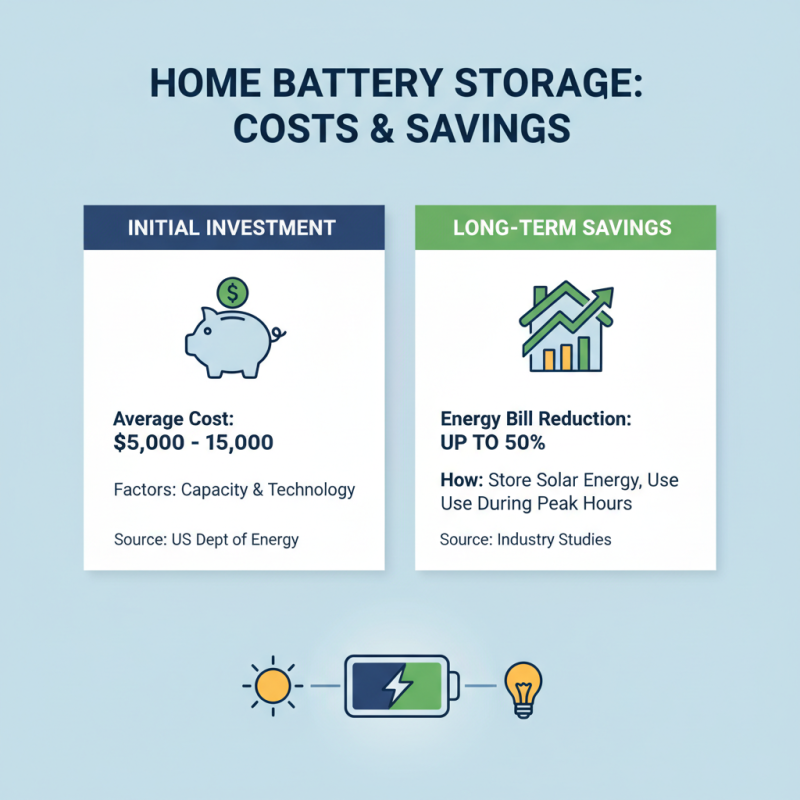
When evaluating the costs associated with home battery storage, it's crucial to analyze both the initial investment and the potential long-term savings. According to the U.S. Department of Energy, the average cost of a home battery system ranges from $5,000 to $15,000, depending on the storage capacity and technology. While this upfront cost may seem daunting, many homeowners overlook the financial benefits that come with these systems. For instance, studies indicate that homeowners can save up to 50% on energy bills by storing excess energy from solar panels and utilizing it during peak demand times when electricity prices are typically higher.
Additionally, the long-term potential for savings becomes even more compelling when considering incentives and rebates. The federal investment tax credit allows homeowners to deduct up to 26% of the cost of battery systems that are used in conjunction with solar panels. Moreover, a report from the National Renewable Energy Laboratory suggests that households could see a payback period of approximately 5 to 10 years, depending on energy usage, local utility rates, and available incentives. This means that while the initial outlay for a home battery storage system may be significant, the combination of reduced energy costs and financial incentives can make it a sound investment in the long run, ultimately improving energy resilience and financial stability for homeowners.
Regulations and Incentives Impacting Home Battery Installation Choices
When considering home battery storage options, understanding the regulatory landscape and available incentives is crucial. In the United States, policies such as the federal Investment Tax Credit (ITC) can significantly offset the initial costs of battery installations, providing homeowners with a 26% tax credit for systems installed before 2023, which will gradually decrease thereafter.
According to a report from the U.S. Department of Energy, approximately 80% of homeowners are influenced by local and federal incentives when making decisions about energy storage solutions. This financial support not only lowers barriers to entry but also fosters a growing market for sustainable energy technologies.
Moreover, regulations can affect the type of battery systems available, focusing on safety standards and environmental impacts. For example, many states have established strict guidelines governing the installation of energy storage systems, ensuring compliance with safety protocols that reduce fire hazards and promote environmentally friendly practices.
A recent study by the National Renewable Energy Laboratory emphasizes that states with proactive regulations and clear guidelines see a higher adoption rate of home batteries, highlighting the importance of a supportive policy environment in promoting energy independence for homeowners.
Understanding these regulations and incentives helps homeowners align their energy storage choices with both their financial capabilities and the broader energy transition goals.