2026 How to Choose the Best Battery Energy Storage System BESS?
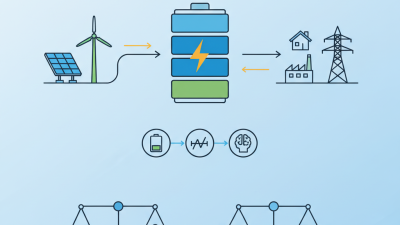
In today's energy landscape, the Battery Energy Storage System (BESS) plays a crucial role. As renewable sources like solar and wind grow, so does the need for efficient energy storage. BESS allows users to store energy for later use, ensuring a reliable supply during peak demand.
Choosing the right BESS can be complex. Various factors come into play, such as capacity, discharge rates, and life cycles. Users must evaluate their energy needs carefully. The wrong choice can lead to inefficiencies or excess costs. It’s vital to understand that not all systems are equal.
Engaging with professionals can enhance decision-making. Their expertise can guide the evaluation process. However, it's essential to critically assess all options. A hasty selection may create more issues down the line. In the end, a well-chosen Battery Energy Storage System can significantly improve energy management and sustainability.
Understanding Battery Energy Storage Systems (BESS) Fundamentals
Battery Energy Storage Systems (BESS) are gaining traction as renewable energy sources proliferate. These systems store energy generated from solar panels and wind turbines. In 2022, the global battery storage market was valued at approximately $9.8 billion. This figure is expected to rise, reflecting increasing demand for energy storage solutions in residential and commercial sectors.
Understanding BESS fundamentals entails grasping key components: batteries, inverters, and control systems. Lithium-ion batteries are prevalent due to their efficiency. They can store excess energy for later use, providing stability to energy grids. According to industry reports, even minor outages can lead to significant loss. This underlines the importance of reliable energy storage.
Tip: Assess your energy needs accurately before selecting a BESS. Consider your peak usage times and the potential for renewable generation.
Energy efficiency varies by system. Reports indicate that some systems achieve 90% efficiency, while others fall below 80%. A closer look at specifications is essential. Consider the lifespan of the batteries as well. Many battery systems last between 10 to 15 years but may require replacement sooner depending on usage.
Tip: Regular maintenance can extend system longevity. Monitor performance metrics consistently.
When evaluating options, focus not just on cost but also on the environmental impact. Sustainable choices enhance overall effectiveness. The right BESS can reduce reliance on fossil fuels and promote energy independence. Embrace the learning process with these systems, as they are continuously evolving.
Key Factors to Consider When Choosing a BESS
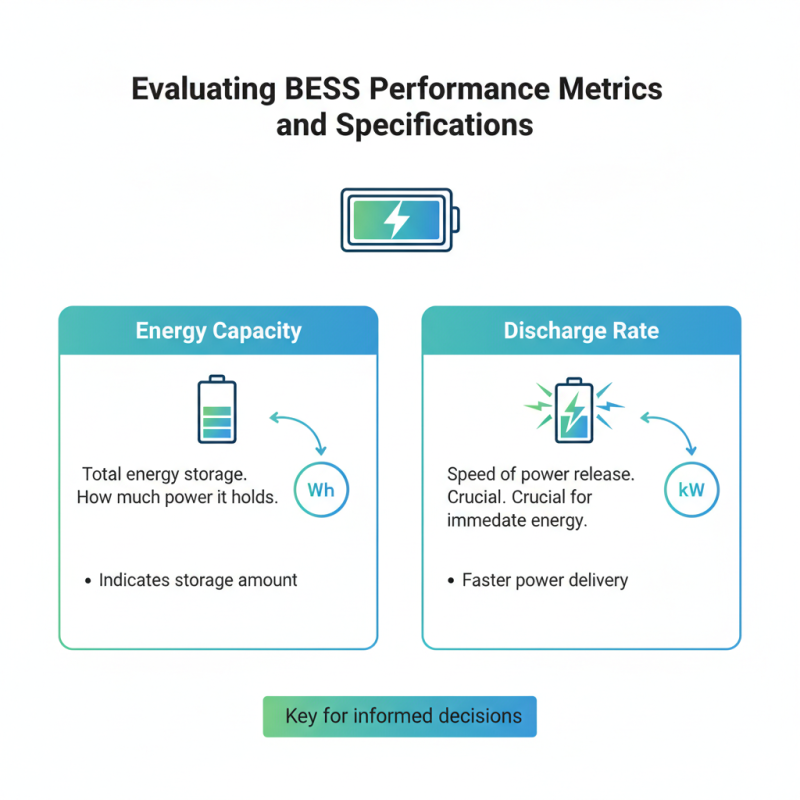
When selecting a Battery Energy Storage System (BESS), several key factors demand attention. One crucial aspect is the system’s capacity and discharge rate. Understand how much energy you need to store. This will help in determining the right size for your applications. Consider your energy consumption patterns. Peak load times differ for every user.
Another important factor is the lifespan and warranty of the BESS. Most systems offer a warranty of 5 to 10 years. However, actual lifespan may vary. It’s essential to evaluate the long-term cost-effectiveness of the storage solution. A more expensive up-front cost may save you money in the long run.
Battery chemistry also plays a vital role. Different types, such as lithium-ion or lead-acid, have distinct performance characteristics. Lithium-ion batteries are popular for their high efficiency. But they may raise sustainability questions. Reflecting on the ecological impact of your choice is necessary. Choosing the right BESS is complex. Balancing efficiency, cost, and environmental considerations takes time and research.
2026 How to Choose the Best Battery Energy Storage System (BESS)?
| Factor |
Description |
Importance Level |
Typical Values |
| Energy Capacity |
Total amount of energy that the BESS can store, measured in kWh. |
High |
100 kWh - 5,000 kWh |
| Power Rating |
Rate at which energy can be discharged or charged, measured in kW. |
High |
10 kW - 1,000 kW |
| Cycle Life |
Number of charge/discharge cycles the BESS can undergo before performance degrades. |
Medium |
3,000 - 10,000 cycles |
| Efficiency |
Ratio of energy delivered to energy consumed during charging and discharging. |
High |
80% - 95% |
| Cost |
Total cost of system including installation and maintenance over its lifetime. |
High |
$200 - $500 per kWh |
Comparing Different Types of Battery Technologies for Energy Storage
When evaluating battery energy storage systems (BESS), it’s crucial to compare different battery technologies. Lithium-ion batteries dominate the market due to their efficiency and energy density. They are lightweight and have a long cycle life. However, they can be expensive and require careful thermal management.
Lead-acid batteries are another option. They are affordable and widely available. Yet, they have a shorter lifespan and lower energy density compared to lithium-ion. Additionally, they are heavier and less efficient. Think about your specific needs when considering these options.
**Tips:** Look into safety features. Battery systems should minimize fire risks. Also, consider installation and maintenance costs. A system that seems cheap upfront may lead to higher expenses over time. Lastly, think about environmental impact. Recycling and end-of-life options differ greatly between technologies.
Remember, no single battery technology fits all applications. Understanding each type’s strengths and weaknesses helps you make an informed choice. Continually reevaluate your decision as technology evolves. Emphasize long-term benefits over short-term savings for a sustainable solution.
Cost Analysis and Return on Investment for Battery Storage Solutions
When analyzing the cost of battery energy storage systems (BESS), it’s crucial to consider both upfront and long-term expenses. According to a report by BloombergNEF, average battery prices have fallen by 89% since 2010. This trend should continue, potentially lowering investment thresholds for businesses and homeowners alike. However, initial costs still vary widely, often ranging from $400 to $600 per kWh for installation, depending on system size and technology.
Return on investment (ROI) is another key factor. For commercial applications, BESS can provide savings through demand charge management. A study from Lazard indicates that users can decrease energy costs by 15-20% annually through effective storage use. Many energy storage systems can pay for themselves within 5-10 years. Maintenance costs are relatively low, but it’s essential to keep track of degradation rates to understand long-term value.
**Tip:** Always conduct a detailed feasibility study. Look at usage patterns and local energy markets. Harnessing grid services can enhance ROI significantly. Also, consult with experts to understand nuanced cost factors. Understanding these elements can help avoid potential pitfalls in deployment decisions.