Why Choose Pv Batteries for Your Energy Needs?
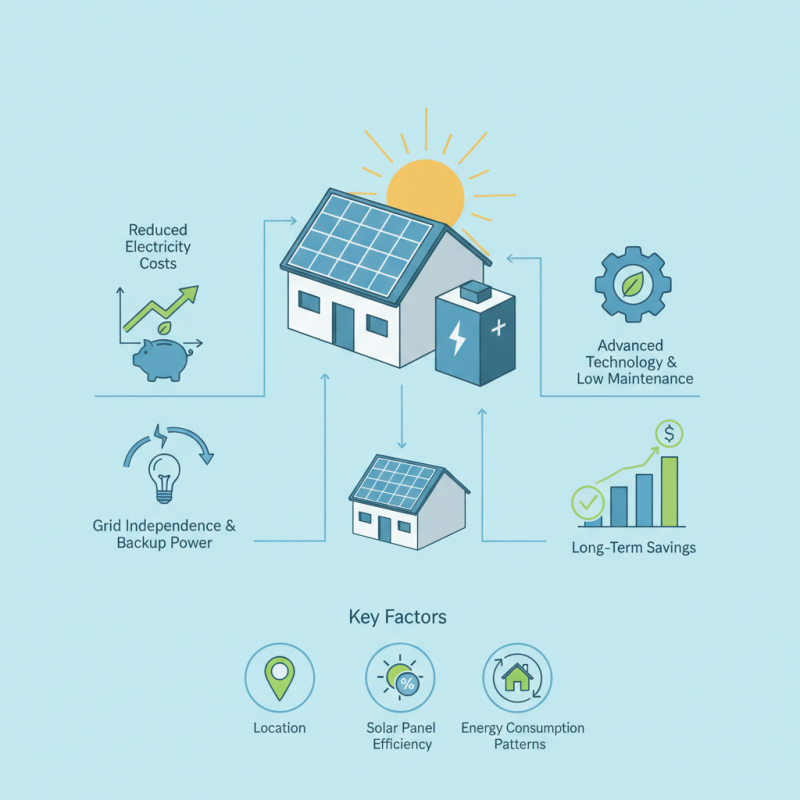
In an age where energy efficiency is paramount, Pv Batteries emerge as a viable solution for diverse energy needs. These batteries harness solar power and store it for later use. With rising electricity costs, many homeowners are looking for alternatives. Pv Batteries not only reduce reliance on the grid but also provide backup energy during outages. This dual benefit makes them increasingly popular.
The technology behind Pv Batteries has advanced significantly. This leads to improved efficiency and lower maintenance needs. Users often report savings on their monthly energy bills. However, one must consider initial installation costs. For some, this can be a barrier. A thorough evaluation of long-term benefits versus upfront investments is essential.
Integrating Pv Batteries into your energy strategy can yield substantial benefits. Nevertheless, the effectiveness depends on various factors. Your location, solar panel efficiency, and energy consumption patterns are all crucial. Understanding these elements can create a solid foundation for energy independence. Making informed decisions will ultimately enhance your experience with PV technologies.
Understanding the Basics of PV Batteries and Their Functionality
PV batteries are essential in harnessing solar energy effectively. They store energy generated from solar panels for later use. This functionality is crucial, especially during cloudy days or at night when solar generation ceases. Understanding how PV batteries work can significantly enhance your energy management strategy.
PV batteries function by taking excess electricity produced by solar panels during the day. This energy is converted and stored for future use. Lithium-ion and lead-acid are common types of PV batteries. Each has its pros and cons. For instance, lithium-ion batteries tend to have a longer lifespan and greater efficiency. However, their initial cost can be higher, which may deter some users.
Many homeowners and businesses overlook the maintenance needs of PV batteries. Regular checks on battery health and charge levels are important. Failing to do so can lead to diminished performance over time. Understanding these nuances can make a significant difference in maximizing benefits. Knowledge and awareness help users make informed decisions about their energy needs.
The Advantages of Using PV Batteries for Renewable Energy Storage
In recent years, photovoltaic (PV) batteries have become essential for managing renewable energy. They efficiently store solar energy, allowing users to tap into this power whenever needed. This flexibility facilitates energy independence and reduces reliance on the grid.
PV batteries are highly efficient, converting solar energy into usable electricity with minimal loss. They provide a reliable source of power during outages, enhancing your home’s resilience. There’s peace of mind knowing your energy supply is continuous, even when sunlight fades.
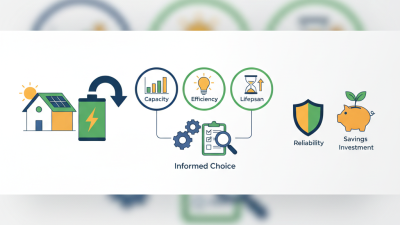
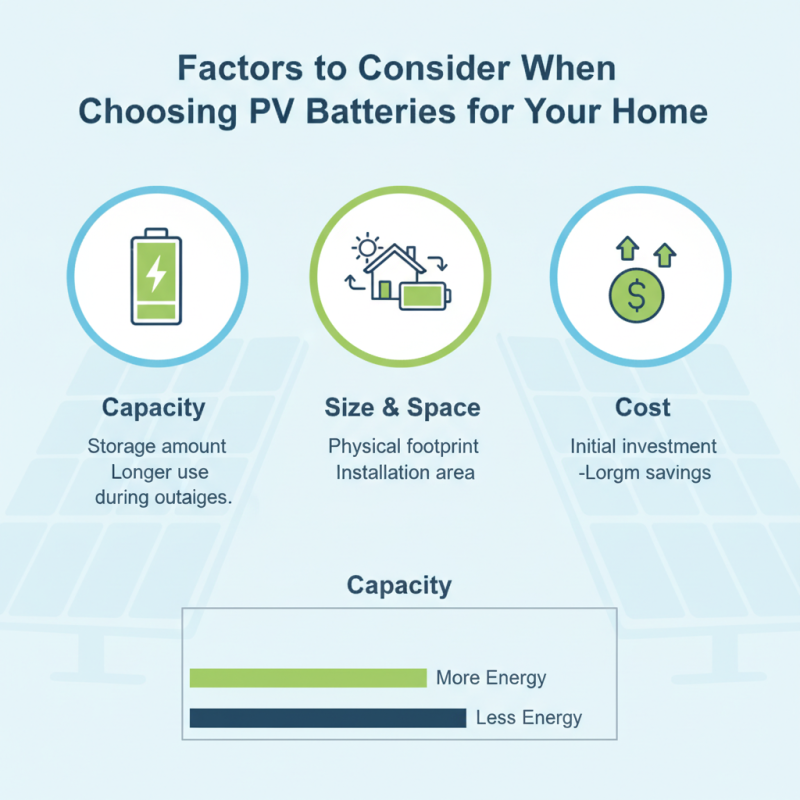
Tip: When selecting a PV battery, consider its capacity and lifespan. Higher capacity means more energy storage. Always research the technology to understand its lifecycle and efficiency ratings.
Environmental benefits are significant. Using PV batteries helps reduce carbon footprints. It promotes a sustainable lifestyle, supporting the global shift towards greener energy methods. Yet, installation costs can be high. It’s crucial to weigh the initial investment against long-term savings on electricity bills.
Tip: Investigate available incentives in your area for solar installations. These can offset upfront costs, making the switch more affordable. Smart decisions today can lead to substantial benefits tomorrow.
Comparative Analysis: PV Batteries vs. Traditional Energy Storage Solutions
When assessing energy storage options, PV batteries stand out for several reasons. Unlike traditional batteries, which often rely on outdated technology, PV batteries leverage modern advancements in solar energy capture. They convert solar energy into stored electricity efficiently. This innovative approach not only reduces dependence on fossil fuels but also minimizes environmental impact.
Traditional energy storage solutions, such as lead-acid batteries, present significant challenges. They have a shorter lifespan and can degrade quickly. In contrast, PV batteries typically offer a longer service life. They withstand deeper discharge cycles without significant loss of capacity. However, costs can be a concern, and initial investments may deter some users. Long-term savings and environmental benefits often outweigh these costs.
Reliability is crucial when choosing an energy storage system. PV batteries usually provide consistent performance, even in varied weather conditions. Traditional systems may falter under similar circumstances. However, PV batteries also require optimal installation to ensure peak efficiency. This fact prompts users to reflect on potential technical challenges and maintenance needs. Overall, the choice emphasizes sustainability and long-term value.
Future Trends and Innovations in PV Battery Technology
As energy demands grow, PV battery technology is evolving rapidly. Innovations are making these batteries more efficient and sustainable. For instance, new materials are being tested to improve energy density. This means batteries can store more energy in a smaller space. Advances in recycling methods are also important, as they help reduce waste and environmental impact.
Researchers are exploring hybrid systems that combine PV batteries with other technologies. This approach can enhance energy storage capabilities. Smart technology integration is another exciting trend. It enables better energy management and monitoring. Users can optimize their energy consumption based on real-time data. However, reliability issues still exist, as not every system works seamlessly.
Affordable solutions are also on the horizon. While some technologies remain expensive, prices are falling. This is encouraging more people to adopt renewable energy. Yet, it is crucial to critically assess the long-term viability of new innovations. Not all trends will succeed, and some may require further development. The future looks bright, but a cautious approach is advisable.
Future Trends in PV Battery Technology
This chart illustrates the projected growth in battery storage capacity over the next five years, highlighting the increasing importance of PV batteries in meeting energy needs and the ongoing innovations in battery technology.