How to Choose Home Battery Storage Without Solar at Canton Fair?
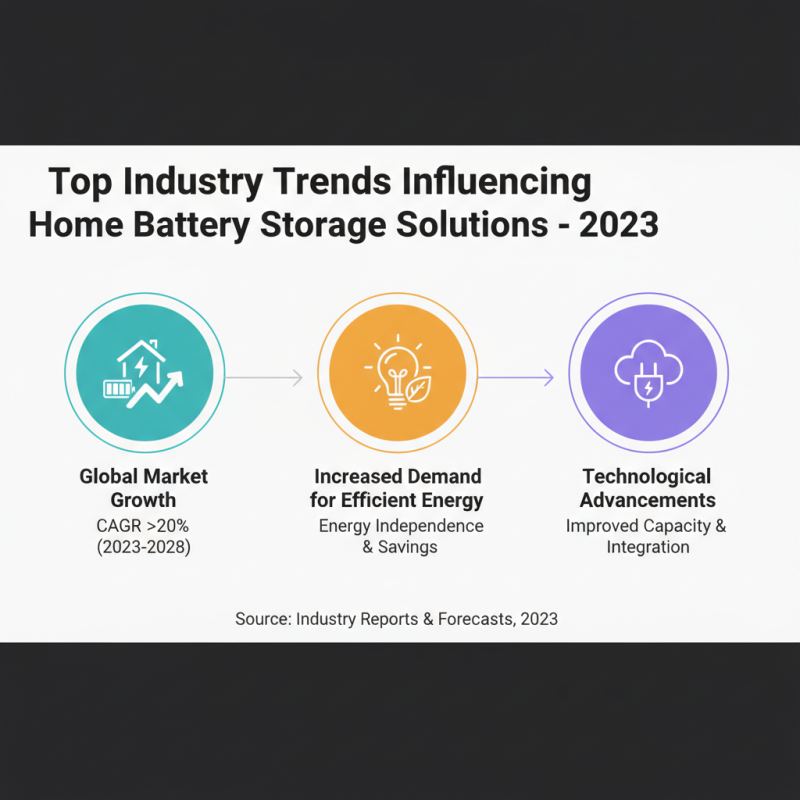
In the evolving energy landscape, "Home Battery Storage Without Solar" is gaining traction. According to recent reports, the home battery market is projected to grow by 25% annually. This surge comes as homeowners seek greater energy independence and efficiency. Although solar-powered systems dominate, non-solar battery storage is becoming essential for many who lack suitable roof space or prefer a different energy sourcing approach.
The 139th Canton Fair presents a prime opportunity. With the introduction of AI-enhanced navigation, buyers can efficiently explore over 1.55 million square meters of exhibits. This includes innovative battery solutions tailored for homes without solar setups. However, potential buyers must carefully consider battery compatibility, capacity, and lifecycle before making a choice. Missteps in selection can lead to underperformance in energy management.
The shift toward battery storage reflects a broader trend in energy consumption. Yet, many consumers still face challenges in understanding technology nuances. As such, engaging with suppliers at the Canton Fair can provide critical insights. Educated decisions can pave the way for efficient energy use in homes, ultimately ensuring a sustainable future.

How to Assess Your Home Energy Needs Before Choosing a Battery Storage System
Assessing your home energy needs is crucial before selecting a battery storage system. Begin by evaluating your energy consumption patterns. Take note of your monthly electricity bills. This step reveals the average energy use in your home. Consider peak usage times, too. For instance, evenings will often see a higher demand for power.
Next, list the essential appliances in your home. Include items like refrigerators, lights, and electronics. Each appliance has a different energy requirement. Understanding this can help you make informed decisions. It may be worth noting that some people underestimate their energy needs. For example, running multiple devices simultaneously can increase demand significantly.
Consider future growth as well. Are you planning to purchase additional devices? Maybe you want to add more smart home tech. This potential expansion should factor into your calculations. Also, think about backup needs during outages. Will you require more storage to handle such scenarios? It’s important to be thorough. Misjudging your requirements can lead to suboptimal energy independence. Ever tried managing energy payments with inadequate storage? It’s not ideal. Reflect on your current situation honestly to avoid issues later on.
Energy Consumption and Home Battery Storage Selection
This bar chart illustrates the average daily energy consumption of various household appliances. Understanding these energy needs is essential when selecting a home battery storage system, especially when solar power is not utilized. With this data, homeowners can better assess how much battery capacity they need to cover their energy use effectively.
Understanding Different Types of Home Battery Storage Technologies Available
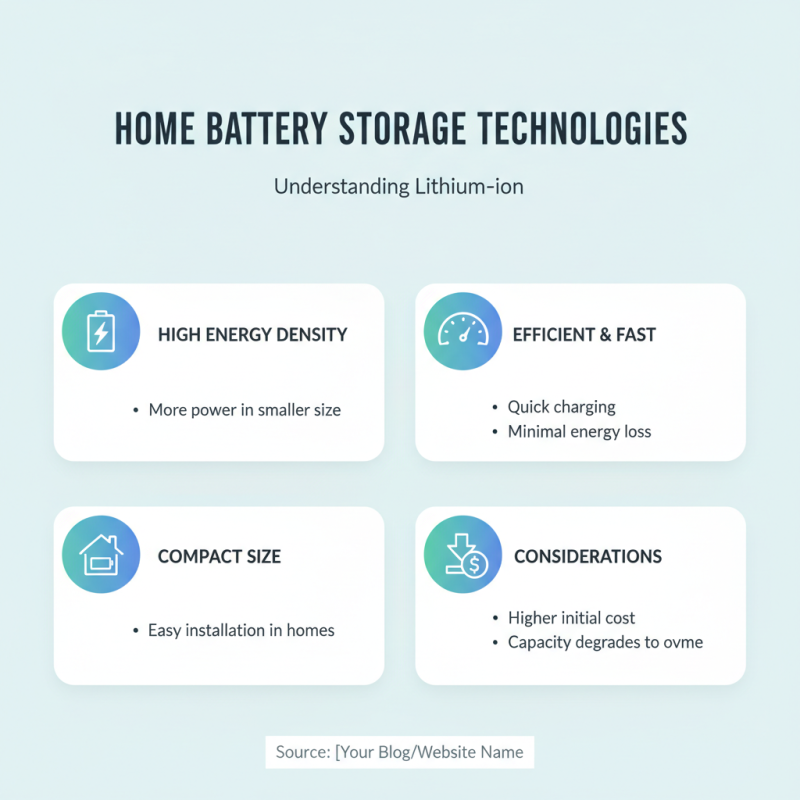
When considering home battery storage, knowing the different technologies is crucial. Lithium-ion batteries are widely used. They offer high energy density and efficiency. Their compact size makes them suitable for most homes. Charging is relatively fast, a significant advantage. However, they can be expensive. Additionally, battery life can decrease over time, which is a concern.
Lead-acid batteries are another option. They are less costly upfront. However, they require more maintenance. Their lifespan is shorter compared to lithium-ion batteries. Despite this, they can be reliable for backup power. There are also flow batteries, which are less common. They provide longer discharge times. Flow batteries can be more cumbersome, as they usually take up more space.
Each technology has its pros and cons. It’s important to reflect on your specific needs. Do you require quick access to energy? Is cost a major factor? Assessing these questions can guide your decision. Consider your living space and energy usage patterns carefully. This way, you can select the ideal battery storage system for your home.
Evaluating Capacity and Power Ratings for Optimal Battery Performance
When selecting home battery storage without solar, understanding capacity and power ratings is crucial. Capacity, measured in kilowatt-hours (kWh), indicates how much energy a battery can store. For example, a typical home system ranges from 5 kWh to 20 kWh. This range suits various needs and supports energy usage during peak hours or outages.
Power ratings, expressed in kilowatts (kW), reflect how much energy the system can deliver at once. A higher power rating allows you to run more devices simultaneously. For instance, if you have a power rating of 5 kW and a capacity of 10 kWh, it can power a few essential appliances for hours. However, if your demand exceeds supply, interruptions may occur.
It’s important to assess real-world performance. Many users find that their systems don’t always meet expectations. Variability in energy consumption and usage patterns can lead to underperformance. Reports indicate that around 30% of users experience lower-than-expected efficiency. Thus, clear understanding of your needs is essential. Prioritizing realistic capacity and power ratings can lead to better functionality. This reflection helps in making informed decisions when exploring battery systems.
How to Choose Home Battery Storage Without Solar at Canton Fair?
| Battery Type |
Capacity (kWh) |
Power Rating (kW) |
Cycle Life |
Warranty (Years) |
| Lithium-ion |
10 |
5 |
3000 |
10 |
| Lead-acid |
8 |
4 |
1500 |
5 |
| Nickel-based |
9 |
4.5 |
2000 |
8 |
| Solid-state |
12 |
6 |
5000 |
15 |
Cost Analysis: Comparing Initial Investment vs. Long-term Savings
When considering home battery storage, cost analysis is crucial. The initial investment can be significant. A common average for battery systems ranges from $7,000 to $15,000. This includes installation costs and equipment. Understanding the return on investment is essential. Over time, homeowners can save on electricity bills. A study by the U.S. Department of Energy indicates potential savings of about $500 yearly.
However, the savings depend on local energy rates and usage patterns. Some regions offer incentives, reducing costs. Without solar, the financial benefits may diminish. Understanding energy consumption habits helps in decision-making. Some buyers may underestimate their potential savings. This is where caution is needed.
Long-term projections reveal the complexity of this investment. It's not just about upfront costs. Homeowners must factor in maintenance and replacement costs over time. Studies suggest batteries may need replacement every 10 years. Thus, thoroughly analyzing long-term savings against these recurring costs is vital. Each individual situation can differ drastically. Feeling overwhelmed by the data is normal. Taking time to assess all factors will lead to better choices.