China Top Solar Panels and Battery Storage Solutions for Buyers?
In recent years, the solar power industry has gained significant momentum. As buyers increasingly seek effective solutions, "Solar Panels And Battery Storage" have become critical components for energy independence. Dr. Emily Chen, a renowned expert in sustainable energy, emphasizes, “The future of energy depends on integrating storage solutions with solar technology.” Her insights highlight the importance of pairing solar panels with efficient battery systems.
As consumers explore options, the demand for high-quality solar panels and reliable battery storage increases. Many issues arise in the evolution of this market. For instance, not all products offer the same reliability or efficiency. Buyers may encounter varying levels of performance and durability. It's crucial to choose wisely and seek out reputable manufacturers.
The landscape of renewable energy is continuously changing. The right combination of solar panels and battery storage can lead to substantial long-term savings. However, potential buyers must remain vigilant. They should research and assess available technologies thoroughly to make informed choices. Ultimately, trustworthiness and quality are paramount in this evolving industry.
China's Solar Panel Market Overview: Key Players and Trends
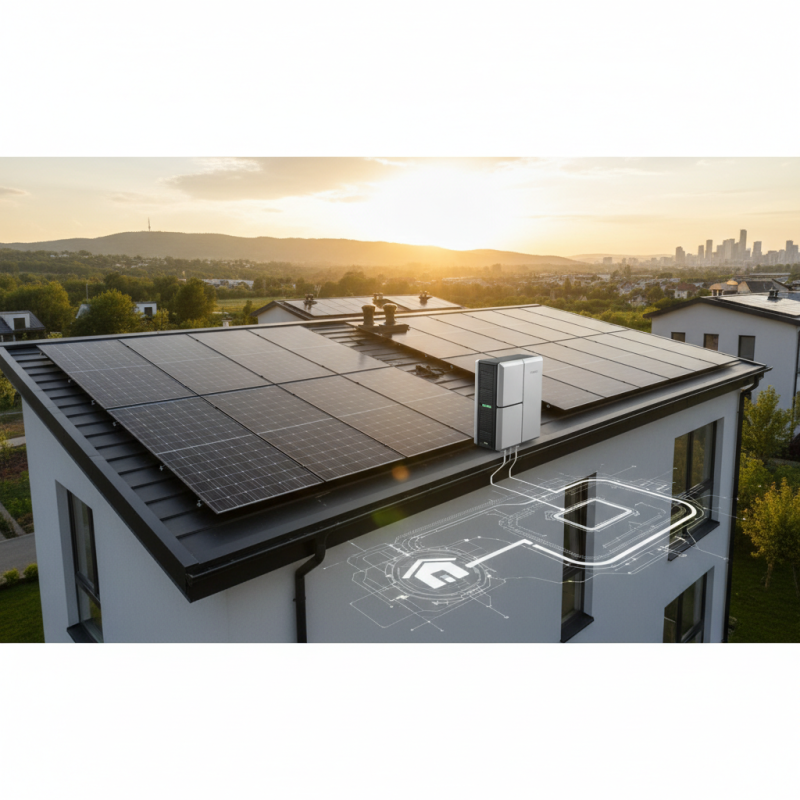
China's solar panel market is thriving. Numerous companies are competing for a share. The industry is marked by rapid growth. Advancements in technology drive both efficiency and affordability. Solar panels are becoming accessible for various consumers. This shift is essential for widespread adoption.
Key players focus on innovation and sustainability. They aim to reduce carbon emissions and improve energy storage solutions. Battery storage technology is evolving. These batteries help store surplus energy for later use. Growing demand for renewable energy sources aligns with global environmental goals. Consumers are increasingly aware of their energy consumption.
However, challenges persist. Supply chain issues can impact production. Quality control is another concern. Some panels may not meet expected efficiency levels. Continuous improvement within the industry is vital. The landscape keeps changing, necessitating ongoing research and development. Buyers must stay informed to make wise decisions.
China's Solar Panel Production and Battery Storage Capacity (2023)
Leading Solar Panel Manufacturers in China: A Comparative Analysis
In recent years, China has emerged as a leader in solar panel manufacturing, producing a significant portion of the world's solar energy solutions. With about 70% of all solar panels installed globally made in China, understanding the competitive landscape among its top manufacturers is essential for buyers. Data from the International Energy Agency indicates that China's solar energy capacity reached over 250 gigawatts in 2022, showcasing robust growth in this sector.
One key factor for comparison among manufacturers is efficiency. Many companies offer panels with efficiencies ranging from 17% to 22%. Higher efficiency means more power generation in limited space, vital for urban installations. Buyers should also consider durability ratings, typically spanning 25 years, as well as warranties that reflect environmental resilience. It’s crucial to know that price isn't everything; potential savings on energy bills matter too.
Tips: Always research the latest efficiency reports. Look for detailed warranty information. Ensure you’re aware of the manufacturer's service reputation. Products can vary widely in performance and support. Remember, not all panels are designed for every environment, so consider your specific location and climate.
Battery Storage Solutions in China: Technologies and Market Impact
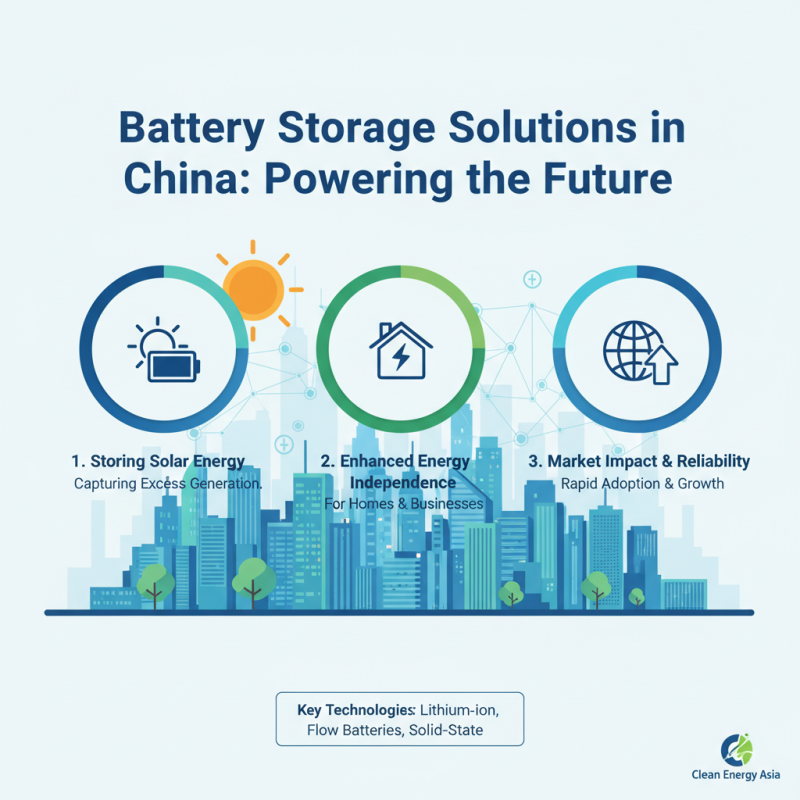
Battery storage solutions in China are evolving rapidly. These technologies provide a crucial way to store energy produced by solar panels. As solar generation often surpasses demand, efficient storage becomes necessary. Many households and businesses are adopting battery systems. These systems enhance energy independence and reliability.
The market impact of battery storage is significant. As costs fall, adoption rates rise. However, there are challenges. Quality control and safety remain concerns. Some products have underperformed in real-life conditions. This raises questions about reliability. Buyers must research thoroughly to ensure they choose the right solutions. Industry standards are improving, but the journey continues.
Innovation is key in this sector. Manufacturers are exploring various chemistries, such as lithium-ion and flow batteries. Each type has its pros and cons. This diversity offers choices for different needs. Yet, consumers must navigate this complexity. A measured approach is essential for making informed decisions in this rapidly changing landscape.
Cost Trends and Financial Incentives for Solar Adoption in China
The trend of solar energy adoption in China is influenced by various financial incentives. The government has introduced subsidies that significantly reduce initial installation costs. According to a recent industry report, solar installations can be up to 30% cheaper due to these incentives. This reduction encourages homeowners and businesses to invest in solar solutions.
On the cost front, solar panel prices have dropped by nearly 80% over the last decade. This decline is pivotal for the rapid growth of solar energy. However, despite these positive shifts, some customers face challenges with financing options. Access to favorable loans is not always guaranteed, which can hinder potential adopters. Additionally, the complex regulatory environment may create confusion for consumers trying to navigate incentives.
Battery storage technologies are essential for maximizing solar efficiency. Many users are unaware of how storage solutions can enhance their systems. According to market analysis, integrating battery storage can increase energy savings by up to 40%. Yet, the initial costs for storage systems remain a barrier. Finding reliable information about these technologies can be overwhelming, raising questions about long-term investment viability. Each of these elements shapes the landscape for solar adoption in China.
Performance Metrics: Efficiency and Longevity of Chinese Solar Products
When considering solar panels and battery storage solutions from China, efficiency and longevity are critical performance metrics. Many products offer impressive energy conversion rates. Some panels achieve over 20% efficiency. This means they convert a significant portion of sunlight into usable electricity. The longevity of these products is equally important. Well-made panels can last 25 years or more, providing reliable energy throughout their lifespan.
However, the reality is not always perfect. Some manufacturers may compromise on quality. This can affect the performance and lifespan of the products. It's vital for buyers to research and ensure they choose suppliers with established reputations. Detailed customer reviews can provide insight. Additionally, checking certifications can verify product claims. Efficiency may change under different weather conditions, so understanding regional impacts is crucial.
Battery storage options should match the solar panels' efficiency. Users need to consider compatibility. Some storage systems may not perform well with certain panels. The interplay between solar generation and storage longevity can be complex. Therefore, it's wise to evaluate how these components interact before committing. This careful approach can lead to better long-term investment in solar energy solutions.