Best Solar Backup System for Your Home Needs?
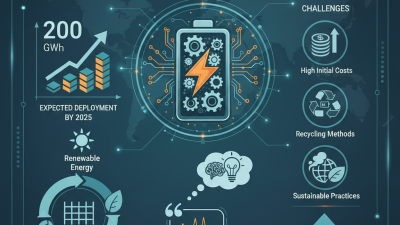
As energy demands rise, homeowners seek reliable alternatives. A Solar Backup System has become essential. According to a 2023 report by the Solar Energy Industries Association (SEIA), solar power capacity is projected to increase by 25% annually. This growth emphasizes the need for effective backup solutions.
Many regions face frequent power outages, highlighting vulnerabilities in traditional grid systems. In 2022, outages affected nearly 30 million Americans. A Solar Backup System can mitigate these risks by harnessing solar energy and storing it for later use. This not only increases energy independence but also enhances resilience against unexpected power interruptions.
While Solar Backup Systems offer numerous benefits, not all products meet consumer needs. The market is flooded with options, making it difficult to choose the right system. It is crucial to consider factors like energy capacity, system compatibility, and installation costs. Research indicates that understanding these elements can lead to better decisions, ultimately ensuring homeowners select the best backup solutions for their unique requirements.
Understanding the Importance of Solar Backup Systems for Homes
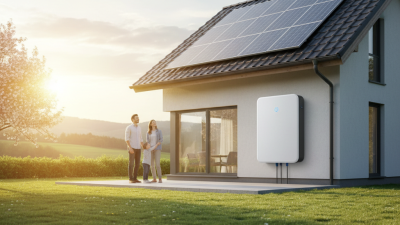
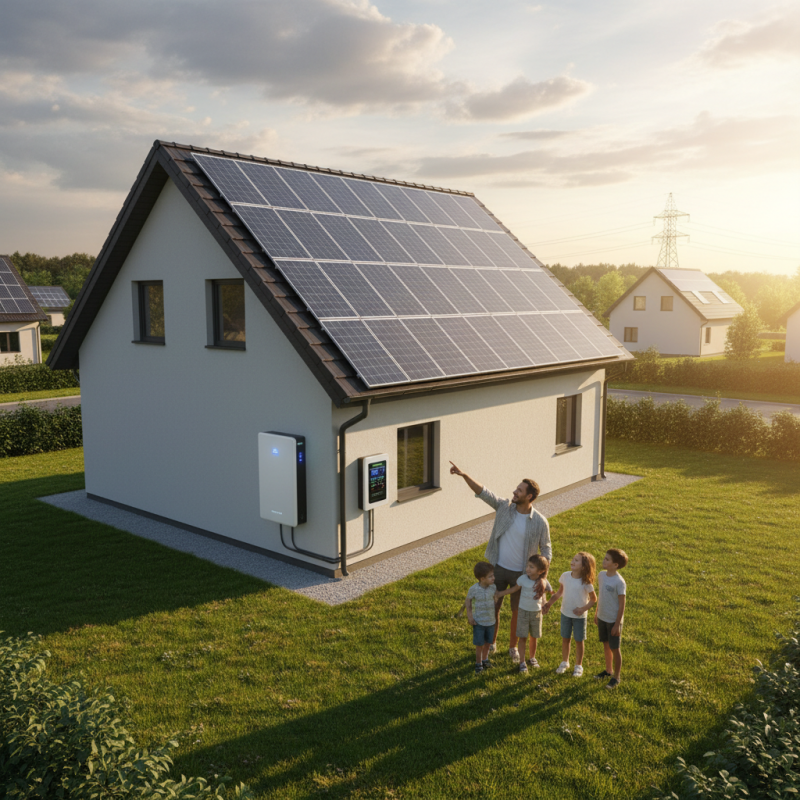
Understanding the importance of solar backup systems is crucial for homeowners today. As energy demands rise, reliability becomes a priority. A solar backup system ensures that your home remains powered during outages. This essential feature enhances your home’s resilience against unpredictable power outages.
A well-designed solar backup system offers more than just convenience. It can lower your energy bills and reduce dependence on the grid. This means more control over your energy usage. Families can enjoy peace of mind knowing their essential appliances stay functional. However, not all systems are the same. It's wise to research and consider your home’s specific needs. Opting for an overpowered system can lead to unnecessary expenditures.
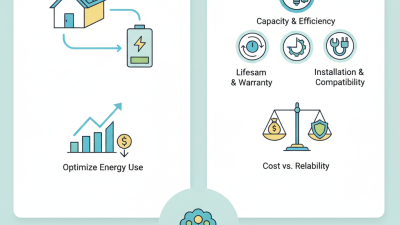
While solar backup systems are highly beneficial, they are not without challenges. Installation can be costly and require specialized knowledge. Maintenance is another aspect to consider. Efficiency can decline over time without proper care. Homeowners should reflect on their energy needs and usage habits before investing. Balancing cost, efficiency, and reliability is key to making an informed decision.
Best Solar Backup System for Your Home Needs
This bar chart illustrates the key dimensions of solar backup systems for homes, including battery storage capacity, cost, and average lifespan. Understanding these factors can help homeowners make informed decisions when selecting a solar backup solution.
Key Features to Consider in a Solar Backup System
When considering a solar backup system for home use, several key features warrant attention. Battery capacity stands out. It determines how long the system can supply power during outages. A larger capacity allows for more devices to run simultaneously. Yet, larger batteries often come with higher costs. Evaluating your actual energy needs can prevent overspending.
Next, scalability is crucial. A system that can expand with your energy demands is wise. As your household grows or energy consumption increases, having the option to add capacity can avoid future complications. Installation and maintenance are other significant aspects. Some setups may require professional installation, adding to overall costs. Homeowners should understand these logistics upfront.
Efficiency ratings are also essential. A system should convert sunlight to energy as effectively as possible. Sometimes, less efficient models can result in higher long-term costs. Balancing efficiency with overall price requires careful analysis. A system might seem perfect but note how it performs in real-life conditions. Always research user reviews and expert evaluations to make informed choices.
Different Types of Solar Backup Systems Available on the Market
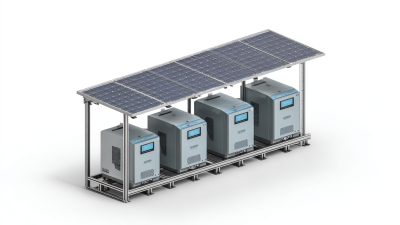
When considering solar backup systems, it's essential to understand the types available. These systems vary significantly, and each has unique features that fit different needs. One popular choice is the battery storage system. It stores excess energy generated by solar panels. This allows homeowners to use solar power even during outages.
Another option is the generator backup. These systems use fuel to provide power when solar energy is unavailable. They can serve as a reliable backup during extended outages. However, they come with higher operational costs and environmental concerns.
Hybrid systems combine solar panels and traditional generators. This setup ensures continuous power supply. Yet, the complexity and cost can be barriers for some homeowners. It’s crucial to evaluate personal energy needs and budget before deciding on a system. Reflecting on these factors will help in choosing the best solar backup solution.
Evaluating Energy Needs: Sizing Your Solar Backup System
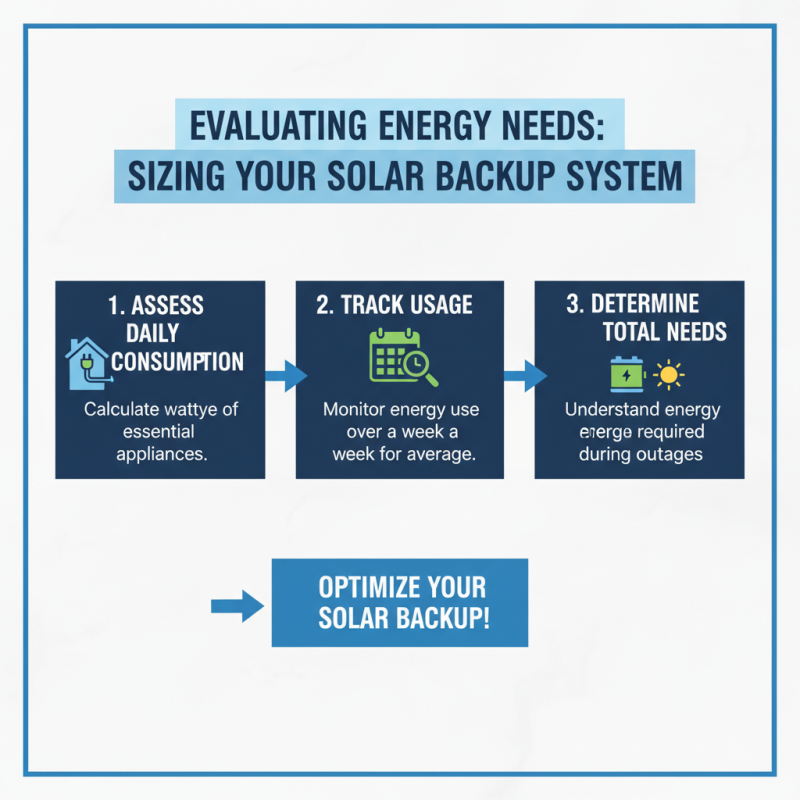
When sizing your solar backup system, it’s essential to evaluate your specific energy needs. Start by assessing your daily energy consumption. Calculate the wattage of all your essential appliances. Track usage over a week to get a good average. This helps you understand how much energy you truly need during outages.
Consider the duration of potential power outages in your area. This can vary significantly. For some, outages may last a few hours, while others might face days without power. If you frequently experience extended outages, sizing your system to handle higher loads is crucial. Seek advice from energy professionals to determine your optimal setup.
Solar backup systems can be a significant investment. It’s important to remember that exact sizes may not always be achievable. Customizing solutions can sometimes lead to inefficiencies. Reflect on your choices over time. Energy needs can change, and so can technology. Regular assessments of your setup ensure you stay prepared for the future.
Installation and Maintenance Tips for Solar Backup Systems
When considering a solar backup system, installation and maintenance play vital roles. Proper installation ensures optimal performance. These systems often require professional help, especially for complex configurations. However, DIY installations might be tempting but could lead to errors. Make sure to follow local regulations and safety standards. Tools and equipment must be reliable to avoid future issues.
Regular maintenance is essential for longevity. Cleaning the solar panels at least twice a year can boost efficiency. Dust, debris, and even snow can obstruct energy capture. Inspecting the batteries should be routine to prevent failures. It's important to check connections regularly. Loose wires can cause energy loss.
Many users overlook the importance of monitoring. Software or apps can track system performance. Using these tools ensures immediate identification of issues. Solar systems require a commitment. The initial setup may be overwhelming, but consistent care pays off. Embracing this responsibility leads to reliable energy independence.