Best Energy Storage Devices for Your Business Needs?
In today's rapidly evolving energy landscape, businesses face mounting pressure to enhance their sustainability. As companies seek reliable solutions, Energy Storage Devices have emerged as essential tools. John Smith, a renowned expert in renewable energy technologies, states, "The right energy storage solutions can revolutionize a business's operational efficiency."
Energy Storage Devices not only hold promise for renewable energy integration but also provide a safety net against power disruptions. They can optimize energy usage and lower costs in the long run. Many businesses remain unsure about the best options available. This uncertainty can lead to missed opportunities in efficiency and savings. Testing various solutions is vital for finding the right fit.
In an industry defined by rapid advancements, staying informed is crucial. Decisions made today will impact future sustainability goals. Exploring Energy Storage Devices requires both research and reflection. Companies must acknowledge their unique needs and challenges. Balancing innovation with practicality is key in selecting the best energy storage solutions.
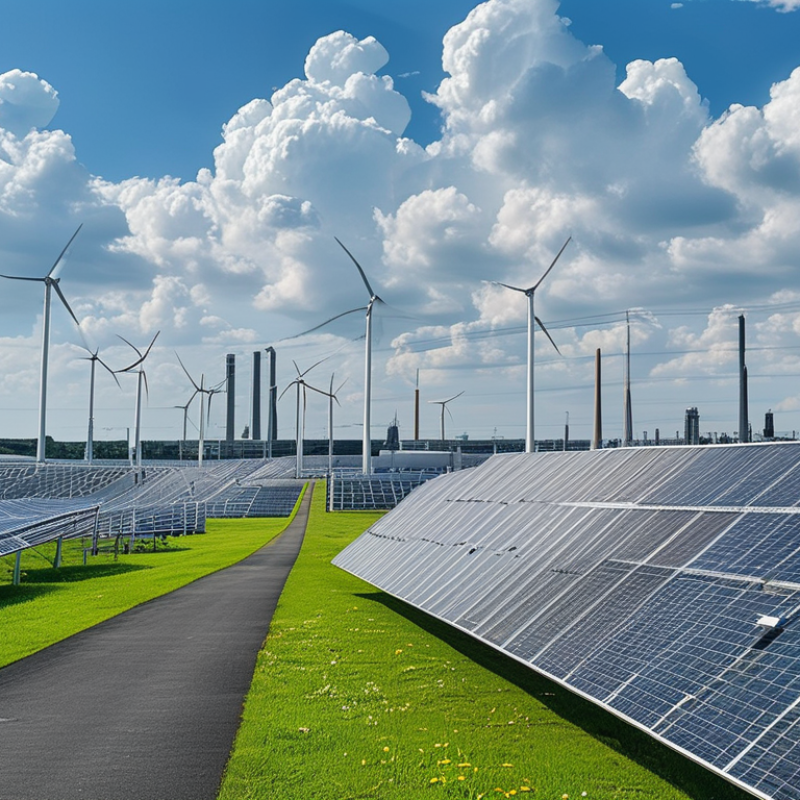
Overview of Energy Storage Devices and Their Importance for Businesses
Energy storage devices are essential for modern businesses. They help manage energy demand and ensure reliability. With rising energy costs, these devices can save money over time. Businesses can reduce peak power charges and improve energy efficiency. This kind of strategy is vital for sustainability practices.
Different energy storage options exist. Batteries are common, but they vary in technology. Lithium-ion batteries offer high energy density. However, they may require careful handling and disposal. Other methods include flywheels and pumped hydro storage. Each technology has its pros and cons. Finding the right fit for a specific business can be complicated. It requires a thorough assessment of energy needs.
Implementation can also present challenges. Initial costs may be high, and training staff may be necessary. Maintenance plays a critical role too. Energy storage is not a one-size-fits-all solution. Each business must consider its unique needs and circumstances. Engaging with energy consultants can provide valuable insights. They can help identify the ideal system and optimize performance.
Energy Storage Devices Overview
This bar chart illustrates the capacity of various energy storage devices relevant for business needs. The capacity is measured in megawatt-hours (MWh), highlighting how different technologies provide different storage capabilities.
Types of Energy Storage Technologies: A Comparative Analysis
Energy storage technologies play a vital role in modern business operations. They enable companies to manage energy use efficiently and reduce costs. Various types of energy storage solutions are available, each with unique characteristics and applications. Identifying the right technology for your business is crucial.
Batteries are one of the most common options. Lithium-ion batteries dominate the market due to their high energy density and efficiency. However, they can be expensive. Additionally, the production and disposal of these batteries can pose environmental concerns. On the other hand, flow batteries offer a longer lifespan and a more sustainable approach. Their complexity may limit their appeal to some businesses.
Mechanical storage methods like pumped hydro and compressed air are also viable. Pumped hydro is effective but requires specific geographical conditions. Compressed air systems can provide large-scale storage but may involve high initial investments. Each technology has its challenges and benefits. The decision should align with your business needs, budget, and long-term sustainability goals.
Factors to Consider When Choosing Energy Storage Solutions
When selecting energy storage solutions for your business, several critical factors come into play. First, assess your energy needs. Consider your peak usage times and how much energy you need to store. Understanding your consumption patterns can lead to more effective storage solutions. Calculate potential savings on energy costs. Choose devices that can optimize load management and reduce demand charges.
Next, think about the technology involved. Various options exist, from lithium-ion batteries to flow batteries. Each technology has its advantages and limitations. For example, while lithium-ion is popular for its energy density, it may not be suitable for long-term storage needs. Make sure the technology aligns with your specific requirements.
Finally, consider the scalability of the system. Your storage needs may evolve over time. A flexible system can grow with your business. Evaluate the installation complexity and maintenance requirements as well. An ideal storage solution should require minimal upkeep while maintaining efficiency. Reflect on your current choices and their long-term viability.
Cost-Benefit Analysis of Energy Storage for Business Operations
Energy storage systems can significantly impact business operations. Companies can benefit from storing energy during low-demand periods. This approach can reduce energy costs and improve efficiency. However, each business must evaluate its specific needs before investing.
The initial investment for energy storage devices can be high. Businesses need to consider installation costs and ongoing maintenance. While the long-term savings are appealing, cash flow constraints can make such investments challenging. Working with energy consultants can provide insights and help identify the best solutions tailored to unique requirements.
Businesses should also think about the potential for energy resilience. Energy storage can act as a backup during power outages, minimizing operational disruptions. However, companies must assess their energy use patterns. Understanding these patterns can help determine the optimal size for storage systems. Well-informed decisions lead to better cost management and operational success.
Future Trends in Energy Storage Technologies for Commercial Use
Energy storage technologies are evolving rapidly. These advancements promise to reshape the commercial landscape. Increasingly, businesses are recognizing the importance of sustainability and energy efficiency. Therefore, energy storage solutions are key in reducing costs and carbon footprints.
Innovative systems like lithium-ion batteries are becoming more commonplace. They demonstrate excellent efficiency in energy retention and release. However, they also present challenges like lifecycle longevity and environmental impact. Businesses must weigh these factors carefully. Other technologies, such as flow batteries and hydrogen storage, show promise but require further research.
Future trends indicate a move towards smart energy grids. These grids will allow real-time data monitoring and management. This capability enhances energy usage and reduces waste. As energy storage devices integrate with AI, businesses can optimize their operations. Yet, the reliance on technology raises concerns about data security and system reliability. Balancing innovation with caution will be crucial for businesses aiming to adopt new energy solutions.