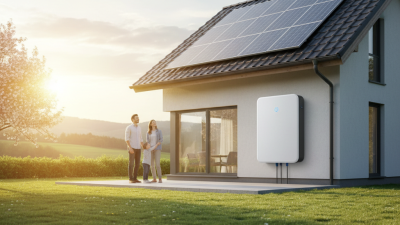
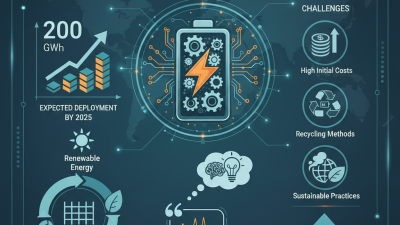
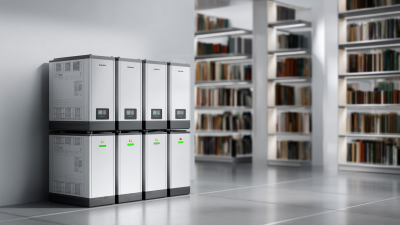
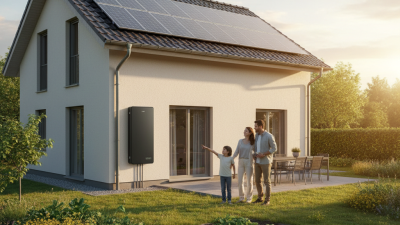
As the world shifts towards renewable energy, Household Battery Storage is becoming a key solution for homeowners. These systems store excess energy produced from solar panels or the grid for later use. This not only reduces electricity costs but also enhances energy independence.
Choosing the right household battery storage solution can feel overwhelming. With various technologies available, it’s essential to consider capacity, lifespan, and efficiency. Many products on the market are promising, yet not all deliver as expected. Consumers must navigate claims and verify actual performance.
Moreover, installation and maintenance play crucial roles in sustainable energy use. Missteps in setup can lead to inefficiencies. It's important to reflect on the overall value that these investments bring to your home. While many systems have potential, a careful evaluation ensures you make an informed decision.
When considering battery storage solutions for your home, focus on safety and efficiency. Selecting the right capacity is crucial. This ensures that your energy needs are met during outages. A well-structured system can store excess energy generated from solar panels or wind turbines.
Tips: Assess your daily energy consumption first. Calculate how much power you need during peak hours. Don’t forget about seasonal changes in energy usage.
Battery storage solutions can vary in complexity. Some setups are user-friendly, while others may require professional installation. It’s essential to check local regulations. Some areas have specific guidelines for battery storage systems.
Tips: Always prioritize venting and fire safety. Regularly inspect your battery units for any signs of wear. Make sure to maintain clean connections for optimal performance.
Battery storage plays a critical role in residential energy use. According to a report by the International Energy Agency, energy storage in homes is projected to increase by over 15% annually. This growth is driven by the rise of renewable energy sources and the need for energy self-sufficiency. Many homeowners are now recognizing the importance of having their own energy reserve. Storing excess energy can lower utility bills and improve energy independence.
Choosing the right battery storage solution depends on your needs. Assess your home’s energy consumption patterns. Understand peak usage times and how much energy you generate from solar panels, if any. Regular monitoring and performance evaluations are necessary. These steps help ensure you’re maximizing your energy savings.
**Tips:** Consider local regulations and incentives for battery storage systems. Research and compare battery technologies, such as lithium-ion and lead-acid. Both have unique benefits and drawbacks. Don’t rush your decision; reflect on how much energy you truly need to store. Proper planning is essential for effective energy management.
| Battery Type | Capacity (kWh) | Cycle Life (cycles) | Warranty (years) | Efficiency (%) | Cost ($) |
|---|---|---|---|---|---|
| Lithium-ion | 10 | 5000 | 10 | 95 | 7000 |
| Lead-acid | 8 | 1500 | 5 | 85 | 4000 |
| Nickel-based | 6 | 3000 | 7 | 90 | 5000 |
| Flow battery | 20 | 10000 | 15 | 80 | 15000 |
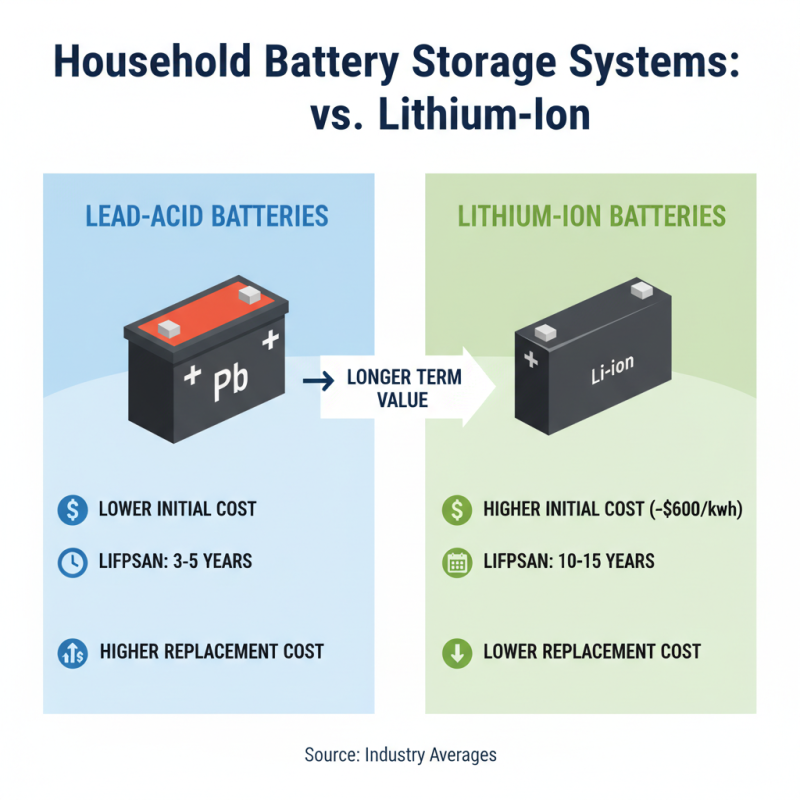
When considering battery storage solutions for homes, two main types dominate the market: lead-acid and lithium-ion. Each technology has its advantages and disadvantages. Lead-acid batteries are often more affordable upfront, making them an attractive option for budget-conscious homeowners. However, their lifespan typically ranges from 3 to 5 years, which can lead to higher replacement costs over time. In contrast, lithium-ion batteries offer a longer lifespan of 10 to 15 years. This longevity can justify their higher initial cost, which averages around $600 per kilowatt-hour.
Lithium-ion batteries also have higher energy density. This means they can store more energy in a smaller space. According to a report by the National Renewable Energy Laboratory, homeowners can expect up to 90% depth of discharge with lithium-ion, compared to about 50% for lead-acid systems. This capacity translates into better efficiency in everyday use. Yet, it’s worth noting that the production of lithium-ion batteries has raised environmental concerns. Mining for lithium can cause ecological damage, prompting a reflection on sustainable practices in battery production.
In deciding between these systems, consider the specific energy needs of your home. If you require a reliable long-term solution, lithium-ion may be ideal. For occasional use and reduced costs, lead-acid might suffice. Assessing these variables can help ensure you choose a system that aligns with both your budget and energy consumption expectations.
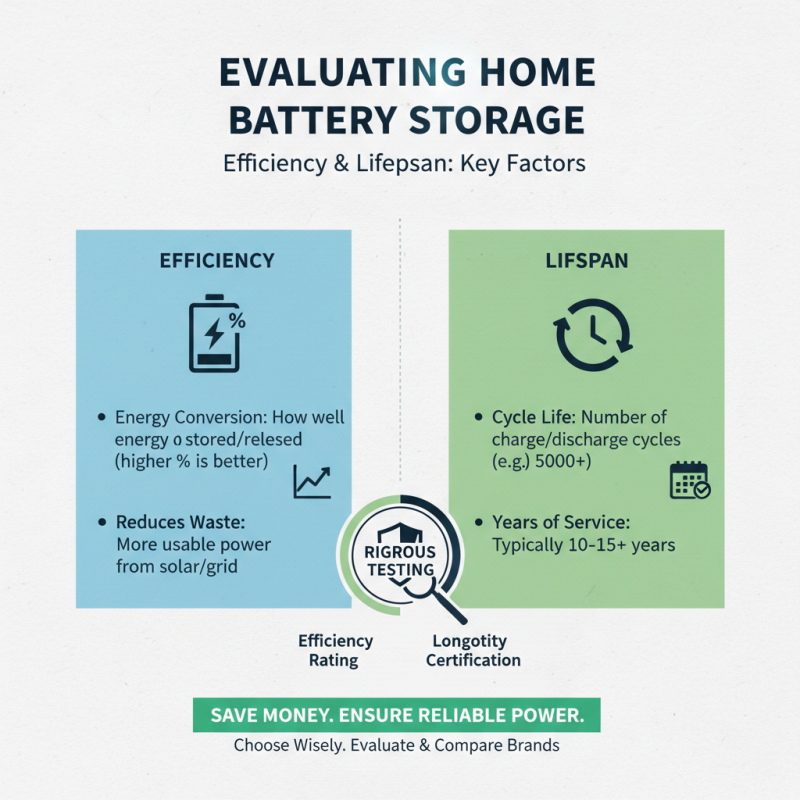
When considering battery storage solutions for your home, efficiency and lifespan are key factors. Different products vary significantly in terms of how well they store energy and how long they last. Evaluating these factors can save you money and ensure reliable power storage. Look for batteries that have undergone rigorous testing for both efficiency rating and longevity.
One effective tip is to research the chemistry used in these batteries. Lithium-ion batteries often offer improved efficiency compared to older technologies. However, the trade-off can be lifespan, especially if not managed properly. Regular maintenance is essential to optimize performance and extend the lifespan of your battery system.
Pay attention to user reviews and industry certifications. A product may look great on paper but fail in real-life applications. Real experiences can highlight potential issues you might not consider. Ensure that the batteries you choose have a proven track record of reliability. Data transparency from manufacturers can also add to your confidence in their claims.
When considering a home battery storage solution, several key factors come into play. Energy capacity is crucial. Determine how much power you need based on your usage. A small family may not need as much storage as a larger household. The more energy you can store, the better prepared you are for outages or backup power.
Efficiency is another factor to consider. Look for solutions with high round-trip efficiency. This means more of the stored energy can be used when you need it. Also, think about installation. Some systems are easier to install than others. You may want to hire a professional for the job.
**Tips:**
- Analyze your energy consumption. Write down your daily usage to help make informed decisions.
- Consider the warranty and lifespan of the battery. A longer lifespan often translates to better value.
- Stay informed on changes in technology. The market evolves rapidly, and new solutions may emerge that better suit your needs.
Evaluate everything carefully. Don’t rush into a decision. A wrong choice could lead to inefficiencies or even safety risks. Take your time and seek expert advice when needed.
Household Battery Storage solutions play a crucial role in optimizing residential energy use, allowing homeowners to manage their energy consumption more efficiently. Understanding the differences between various types of battery systems, such as Lead-Acid and Lithium-Ion, is essential for making an informed choice. Each type comes with its own set of benefits and considerations regarding efficiency and lifespan.
When choosing a household battery storage system, key factors such as cost-effectiveness, return on investment, and the specific energy needs of the household should be evaluated. By analyzing these elements, homeowners can find the most suitable battery storage solution that aligns with their budget and energy goals, ultimately unlocking greater energy independence and sustainability in their homes.