What are the Benefits of Pv Battery Storage for Your Business?
In today’s rapidly changing energy landscape, businesses are seeking innovative solutions to manage costs and improve sustainability. One such solution is Pv Battery Storage. This technology allows companies to store excess solar energy for later use. With the rise of renewable energy, understanding its advantages is crucial for any business.
Implementing Pv Battery Storage can lead to significant cost savings. By reducing reliance on grid electricity, businesses can lower their energy bills. Moreover, during peak hours, stored energy can be used to avoid high rates from utility companies. Such flexibility is invaluable in the competitive market.
However, adopting Pv Battery Storage is not without challenges. Businesses must consider installation costs and potential maintenance issues. Choosing the right system tailored to specific needs is essential. Investing in this technology requires thorough research and professional guidance. Ultimately, the benefits can outweigh the shortcomings if approached thoughtfully.

Understanding the Basics of PV Battery Storage Systems
In recent years, PV battery storage systems have gained attention for their potential benefits to businesses. These systems allow companies to store solar energy for later use. This not only helps to reduce energy costs but also promotes energy independence. However, understanding the basics of how these systems work is crucial for making informed decisions.
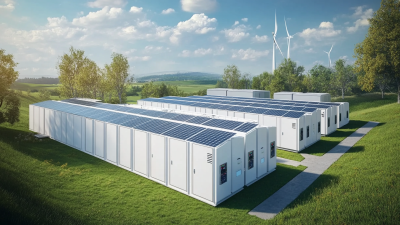
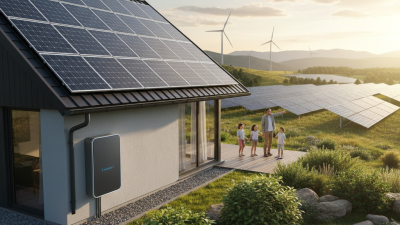
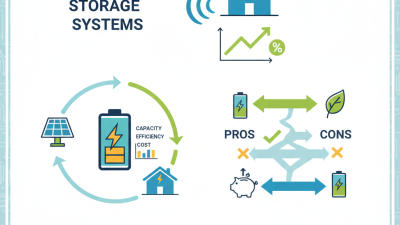
A PV battery storage system consists of solar panels, an inverter, and batteries. The solar panels generate electricity from sunlight. The inverter converts this electricity into a form usable by the business. Batteries store excess energy generated during the day. This stored energy can be used during peak hours when electricity costs are higher.
**Tips:** When considering a PV battery storage system, evaluate your energy needs carefully. Assess peak usage times to determine the optimal battery capacity. Be aware of installation and maintenance costs. A system that sounds perfect may have hidden challenges. Ensure you have reliable data to back your choices.
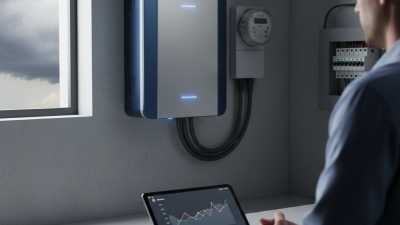
Safety is another concern. Batteries need proper ventilation and should be maintained regularly. Monitor the system's performance to catch any issues early. An underperforming unit can lead to increased costs and wasted energy potential. Businesses should stay updated on the latest technologies and best practices to maximize their investments.
What are the Benefits of PV Battery Storage for Your Business?
| Benefit |
Description |
Estimated Savings |
| Energy Independence |
Reduces reliance on the grid and enhances energy security. |
10-30% reduction in electricity costs |
| Peak Shaving |
Decreases energy costs during peak demand hours. |
Up to 20% savings on peak charges |
| Sustainability |
Supports corporate sustainability goals and reduces carbon footprint. |
Potential tax credits and incentives |
| Backup Power |
Provides energy during outages, ensuring business continuity. |
Avoided losses during downtime |
| Grid Support |
Contributes to grid stability and may offer payment for services. |
Variable earnings based on service contracts |
Key Financial Benefits of Implementing PV Battery Storage
Implementing photovoltaic (PV) battery storage can significantly enhance a business's bottom line. One key financial benefit is reduced electricity bills. By storing energy during off-peak times, businesses can use this energy when rates are high, creating substantial savings. This strategy is especially effective for operations with fluctuating energy needs.
Additionally, PV battery storage can provide stability against energy price volatility. Businesses can protect themselves from rising utility costs by having a reliable backup source of renewable energy. This financial predictability aids in budgeting and long-term planning, making it easier to allocate resources effectively.
However, the initial investment in PV battery storage can be daunting. Not every business may see immediate ROI. It's essential to assess energy consumption patterns and evaluate potential savings thoroughly. Organizations should balance upfront costs against long-term benefits. Investing in energy storage is a strategic move that requires careful consideration and planning.
Benefits of PV Battery Storage for Businesses
Enhancing Energy Independence with PV Battery Solutions
Energy independence is crucial for modern businesses. By incorporating photovoltaic (PV) battery storage solutions, companies can solidify their energy strategy. This technology allows businesses to harness solar energy during peak production times. Reports indicate that companies using PV battery systems can reduce energy costs by up to 30%. This is a significant saving for any organization.
Moreover, PV battery storage enhances resilience against power outages. A 2022 study showed that businesses with battery systems were 50% less likely to experience operational disruptions. This reliability can be a game-changer, particularly for industries that rely heavily on continuous power, such as manufacturing and healthcare. However, implementing these systems can feel overwhelming for some businesses. There are initial investments to consider. Understanding the long-term benefits may require careful analysis.
Transitioning to renewable energy sources fosters sustainability. It helps companies meet growing consumer demands for eco-friendly practices. The International Renewable Energy Agency predicts that solar energy could account for 30% of the global energy mix by 2030. Despite the challenges, the commitment to renewable solutions is an encouraging sign of progress. To truly enhance energy independence, businesses must embrace these technologies.
Improving Operational Efficiency through Battery Storage
Battery storage solutions are becoming essential for businesses seeking to improve operational efficiency. Implementing PV battery storage enables firms to manage energy costs more effectively. According to a report by the International Renewable Energy Agency (IRENA), energy storage can reduce total energy costs by up to 30%. This is particularly relevant for companies with high energy consumption.
Effective energy management reduces reliance on the grid. Companies can store excess energy generated during peak production times. This stored energy can be deployed during high-demand periods, decreasing grid dependency. The U.S. Energy Information Administration (EIA) states that businesses using battery storage can realize savings on peak demand charges up to 50%.
However, transitioning to battery storage isn't without challenges. Initial setup costs can be high. Businesses must also consider the lifespan and maintenance of battery systems. Understanding these factors is key to making informed decisions. Reflecting on these challenges can lead to better long-term strategies for energy usage and cost savings.
Considering Sustainability and Environmental Impact of PV Systems
The integration of PV battery storage presents compelling environmental advantages for businesses. As industries strive for sustainability, harnessing solar energy becomes paramount. According to the International Energy Agency, solar photovoltaic systems can reduce carbon emissions by over 80% compared to fossil fuel sources. This statistic underlines the significant role that solar energy plays in combating climate change.
Moreover, battery storage enhances the efficiency of PV systems. It allows businesses to store excess energy generated during peak sunlight. This stored energy can then be utilized during off-peak hours. The U.S. Department of Energy indicates that energy storage can increase renewable energy utilization by up to 55%. This indicates the potential for a more reliable power supply, reducing reliance on grid energy.
However, there are challenges. Initial setup costs can be high, and the technology is still evolving. Businesses must weigh short-term expenses against long-term benefits. Some may find it difficult to navigate regulatory requirements related to energy storage. Thus, while the advantages are clear, a thorough evaluation of financial and operational impacts is necessary for informed decision-making.