What Are the 2026 Top 5kW Battery Storage Systems?
Choosing the right 5kw Battery Storage system in 2026 requires more than comparing advertised capacity. Homeowners need dependable power during outages, lower electricity bills, and safe operation in limited spaces. A typical 5kW system can support essential circuits, such as refrigerators, lighting, Wi-Fi equipment, and selected kitchen appliances. However, its real performance depends on battery capacity, inverter efficiency, solar input, installation quality, and daily energy demand.
This guide examines five leading 5kW battery storage systems expected to attract attention in 2026. The comparison considers usable capacity, round-trip efficiency, warranty coverage, monitoring tools, operating temperature, installation flexibility, and backup switching speed. It also considers practical ownership details, including app reliability and service support. These details matter when a battery sits in a garage and must operate through winter nights or summer heat.
Field experience often reveals differences that product brochures hide. Some systems respond quickly but offer limited expansion. Others provide excellent software but involve higher installation costs. No ranking is perfect. Market availability and regional certification can change the final choice. Readers should verify local requirements, installer qualifications, and current warranty terms before purchasing. The strongest option is not always the most powerful model. It is the system that matches household loads, solar production, budget, and realistic backup expectations. This overview aims to provide a balanced starting point, not a substitute for a professional site assessment.
What Defines a 5kW Battery Storage System in 2026?
A 5kW battery storage system describes power, not stored energy. It should continuously deliver 5kW through its inverter under rated conditions. A 5kWh battery could support that output for roughly one hour, before losses and reserve limits. A 10kWh battery could provide about two hours. Usable energy matters.
In 2026, serious evaluation should include continuous output, surge capability, usable capacity, round-trip efficiency, cycle life, and thermal protection. NREL’s 2024 Annual Technology Baseline models utility-scale battery round-trip efficiency near 85%, reminding buyers that nameplate energy is never fully available. The IEA’s Batteries and Secure Energy Transitions report recorded about 42GW of new battery storage additions in 2023. It also indicates that global storage capacity must expand sharply before 2030.
A dependable 5kW system should maintain output during hot afternoons, voltage changes, and repeated cycling. It needs clear data for depth of discharge and warranty conditions. Safety is not optional. Independent certification, monitored cell temperatures, fault isolation, and compliant installation are essential. Standards such as IEC 62619 and UL 9540 can support safer assessment, depending on the market.
The label still misleads. Some systems advertise 5kW as a short peak rather than continuous power. That difference affects pumps, refrigerators, and workshop tools. I would also question optimistic lifetime claims without local temperature and cycling data. Real homes rarely follow laboratory schedules.
What Are the 2026 Top 5 kW Battery Storage Systems?
A 5 kW battery storage system can deliver up to 5 kilowatts of power continuously. Its total storage capability is measured in kilowatt-hours (kWh), which depends on the intended discharge duration.
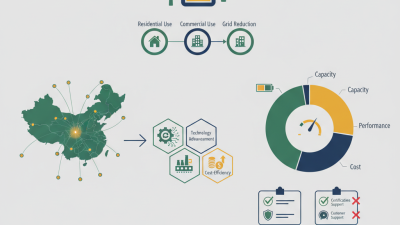
How to read the chart: The usable-energy values are calculated at a constant 5 kW output: 5 kW × discharge duration. For example, a four-hour system requires approximately 20 kWh of usable battery capacity before accounting for conversion losses, reserve capacity, temperature, and battery aging.
Key Specifications for Comparing 2026 5kW Battery Systems
What Are the 2026 Top 5kW Battery Storage Systems?
Comparing a 5kW battery system starts with usable energy, not the advertised capacity.
A 10kWh unit may deliver less after reserve limits and conversion losses. Check usable kWh, continuous output, surge output, depth of discharge, and round-trip efficiency.
A practical home system should support stable 5kW output without overheating. The IEA reported that global battery storage additions reached about 42GW in 2023, showing rapid market expansion and stronger performance competition. However, rising deployment does not guarantee consistent product quality.
Cycle life matters more than a large headline warranty.
Look for cycle counts, annual degradation, warranty throughput, and replacement conditions.
BloombergNEF reported an average lithium-ion battery pack price of about $115 per kWh in 2024, but complete systems cost more after inverters, controls, installation, and safety equipment.
Compare battery chemistry, thermal management, operating temperature, noise, enclosure rating, and emergency shutdown features. Certification evidence, including relevant electrical and fire-safety testing, deserves close inspection.
Very important.
A system with 95% efficiency may still perform poorly if standby consumption is high.
I also question rankings based only on laboratory figures. Real homes face partial cycling, winter temperatures, backup switching delays, and uneven solar production.
A careful comparison should request measured data, not polished estimates.
Top 5kW Battery Storage Technologies and Their Main Features
In 2026, a 5kW storage system usually describes inverter output, not battery capacity. A 10kWh battery can deliver 5kW for about two hours under ideal conditions. Real runtime falls with temperature, conversion losses, and reserve settings. This distinction matters when selecting equipment for evening loads, backup circuits, or solar self-consumption.
Lithium iron phosphate remains a leading technology because it offers strong thermal stability and long cycle life. It suits homes that regularly charge and discharge batteries.
Nickel-based lithium batteries can provide high energy density, but they require careful thermal monitoring and suitable installation space.
Sodium-ion systems are gaining attention for lower-cost materials and improved cold-weather performance. Their energy density is still developing.
Flow batteries offer deep cycling and flexible capacity, yet their larger footprint may challenge small properties.
Key features include a hybrid inverter, battery management system, and automatic transfer control. A reliable system should show state of charge, operating temperature, fault history, and charge limits through clear monitoring tools. Look for scalable modules, outdoor-rated enclosures, and protection against overcurrent and excessive heat. Certified installation remains essential.
Performance is not only about rated power. Wiring distance, peak motor loads, and local grid rules can change results. I would not trust a “24-hour backup” claim without checking the appliance list and usable capacity. Even careful estimates can be imperfect. A refrigerator, router, lights, and medical equipment may need different backup priorities.
How to Choose a 5kW Battery System for Different Energy Needs
What Are the 2026 Top 5kW Battery Storage Systems?
Choosing a 5kW battery system starts with your daily energy pattern, not a product label. A 5kW rating usually describes output power, while usable capacity is measured in kilowatt-hours. A home using 12 kWh overnight may need a larger battery than a home using only 6 kWh. Review your electricity bills and record evening loads, such as a refrigerator, heat pump, lights, and cooking equipment. Real measurements are more reliable than guesses.
Think about backup priorities. Some households need short emergency support for internet equipment and medical devices. Others want to run a pump, freezer, and several appliances for hours. Check continuous output, surge capacity, round-trip efficiency, operating temperature, warranty terms, and battery expansion options. An experienced installer should also assess the main panel, wiring, ventilation, and local electrical requirements. A system can look excellent on paper but perform poorly when poorly sized or installed.
Tips: Keep 20% to 30% reserve capacity for unexpected demand. Compare usable capacity, not only advertised capacity. Ask whether backup power works during grid outages and how quickly it switches. Lithium iron phosphate batteries often provide strong thermal stability, but installation quality still matters. I would not choose the largest system automatically; oversized storage may cost more and remain underused. Recheck your assumptions after one month of real consumption data.
What Are the 2026 Top 5kW Battery Storage Systems? — How to Choose a 5kW Battery System for Different Energy Needs
| Rank |
Reference 5kW System Configuration |
Best for |
Battery Chemistry |
Nominal Battery Voltage |
Usable Energy |
Continuous Output |
Peak Output |
Round-Trip Efficiency |
Typical Cycle Life |
Estimated Backup at 5kW Load |
Recommended Daily Energy Use |
| 1 |
5kW Compact Essential-Load System |
Apartments, small homes, routers, lighting, refrigeration and emergency circuits |
LiFePO₄ (LFP) |
51.2V |
5.12kWh |
5kW |
7.5kW for up to 10 seconds |
Approximately 90% |
At least 6,000 cycles at 80% depth of discharge |
Approximately 0.9 hours |
2–4kWh |
| 2 |
5kW Balanced Whole-Home System |
Typical households seeking overnight support for selected circuits |
LiFePO₄ (LFP) |
51.2V |
10.24kWh |
5kW |
7.5kW for up to 10 seconds |
Approximately 90% |
At least 6,000 cycles at 80% depth of discharge |
Approximately 1.8 hours |
4–8kWh |
| 3 |
5kW Extended Evening-Use System |
Homes with solar self-consumption, evening cooking and moderate HVAC use |
LiFePO₄ (LFP) |
51.2V |
15.36kWh |
5kW |
7.5kW for up to 10 seconds |
Approximately 92% |
At least 6,000 cycles at 80% depth of discharge |
Approximately 2.8 hours |
6–12kWh |
| 4 |
5kW High-Resilience Backup System |
Frequent outages, medical equipment, home offices and longer backup periods |
LiFePO₄ (LFP) |
51.2V |
20.48kWh |
5kW |
7.5kW for up to 10 seconds |
Approximately 92% |
At least 6,000 cycles at 80% depth of discharge |
Approximately 3.7 hours |
8–16kWh |
| 5 |
5kW Maximum-Duration Modular System |
Large homes, critical loads and areas with prolonged grid interruptions |
LiFePO₄ (LFP) |
51.2V |
25.60kWh |
5kW |
7.5kW for up to 10 seconds |
Approximately 95% |
At least 6,000 cycles at 80% depth of discharge |
Approximately 4.6 hours |
10–20kWh |
Data notes: The configurations above are representative 2026 selection benchmarks rather than brand-specific products. Backup estimates assume approximately 90% usable AC energy after inverter losses and a constant 5kW load. Actual performance depends on inverter efficiency, temperature, battery state of charge, installation design, surge requirements and local electrical regulations. A 5kW inverter does not necessarily deliver 5kW continuously unless the battery, wiring and protection equipment are correctly sized.
Installation, Safety, Maintenance, and Costs of 5kW Storage Systems
A 5kW storage system describes power output, not stored energy. A 10kWh battery can run a refrigerator, lights, router, and selected appliances overnight. The exact runtime depends on weather, load patterns, and inverter efficiency. NREL’s 2024 battery cost projections show that system prices vary significantly by duration, installation design, and market conditions. For homeowners, a 5kW system commonly costs about $8,000–$15,000 installed before incentives, but local labor can change this sharply.
Installation should include a load assessment, clearances, ventilation requirements, and an accessible emergency shutoff. Qualified electricians should verify grounding, transfer equipment, and panel capacity. NFPA 855 and UL 9540 provide widely used safety guidance for energy-storage installations. IEA’s 2024 Batteries and Secure Energy Transitions report also stresses thermal management, testing, and responsible end-of-life handling. Do not install batteries in damp utility closets. Heat matters more than many buyers expect.
Tips: Choose capacity from measured daily usage, not advertised backup hours. Keep battery temperatures within the manufacturer’s stated range. Inspect cables and warning labels twice yearly. Review software alerts promptly. A small mistake can reduce usable capacity. I would also question claims of “maintenance-free” operation; batteries need less service than generators, but they still require inspections, firmware checks, and performance monitoring. Cost comparisons should include permits, electrical upgrades, labor, warranty limits, and eventual replacement.